

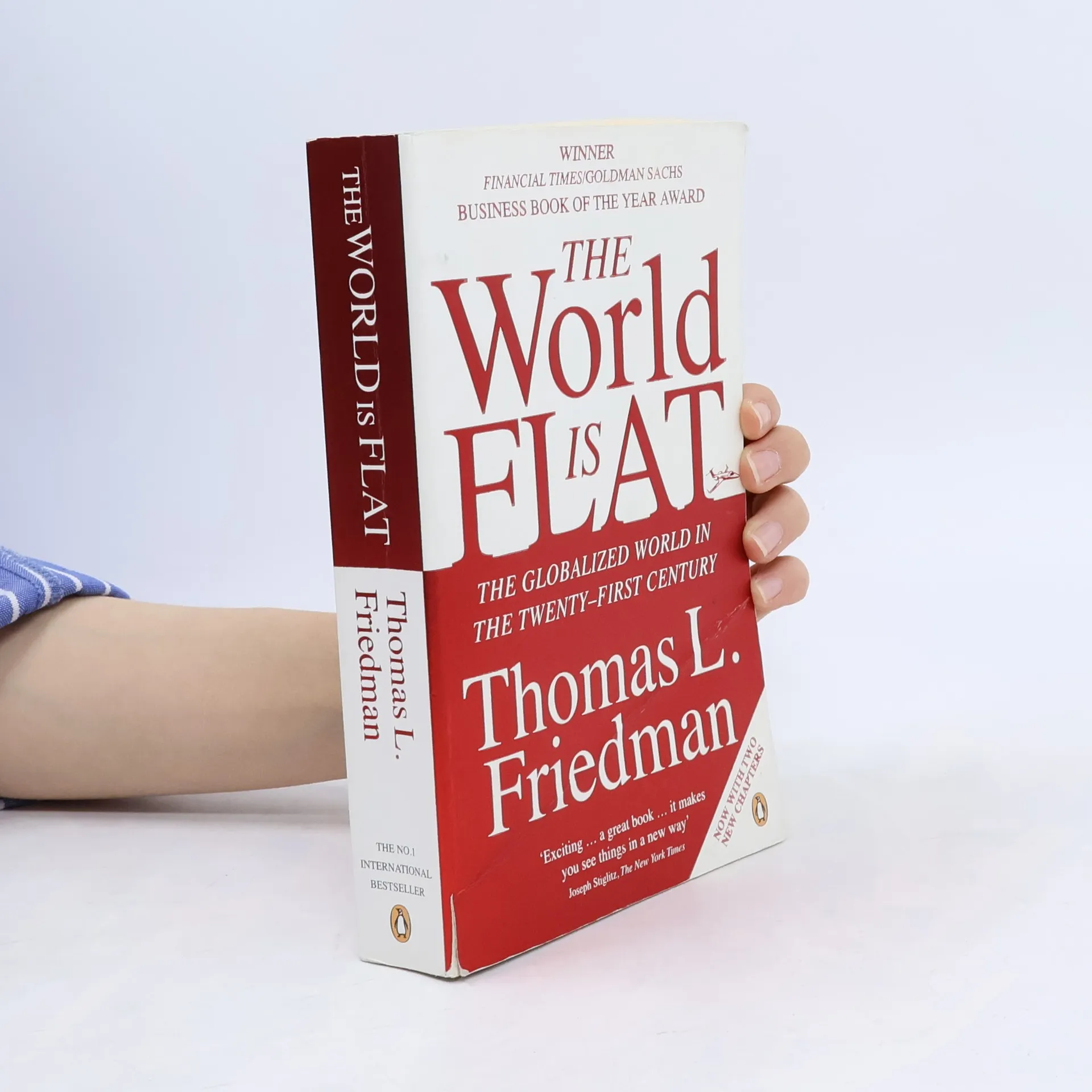

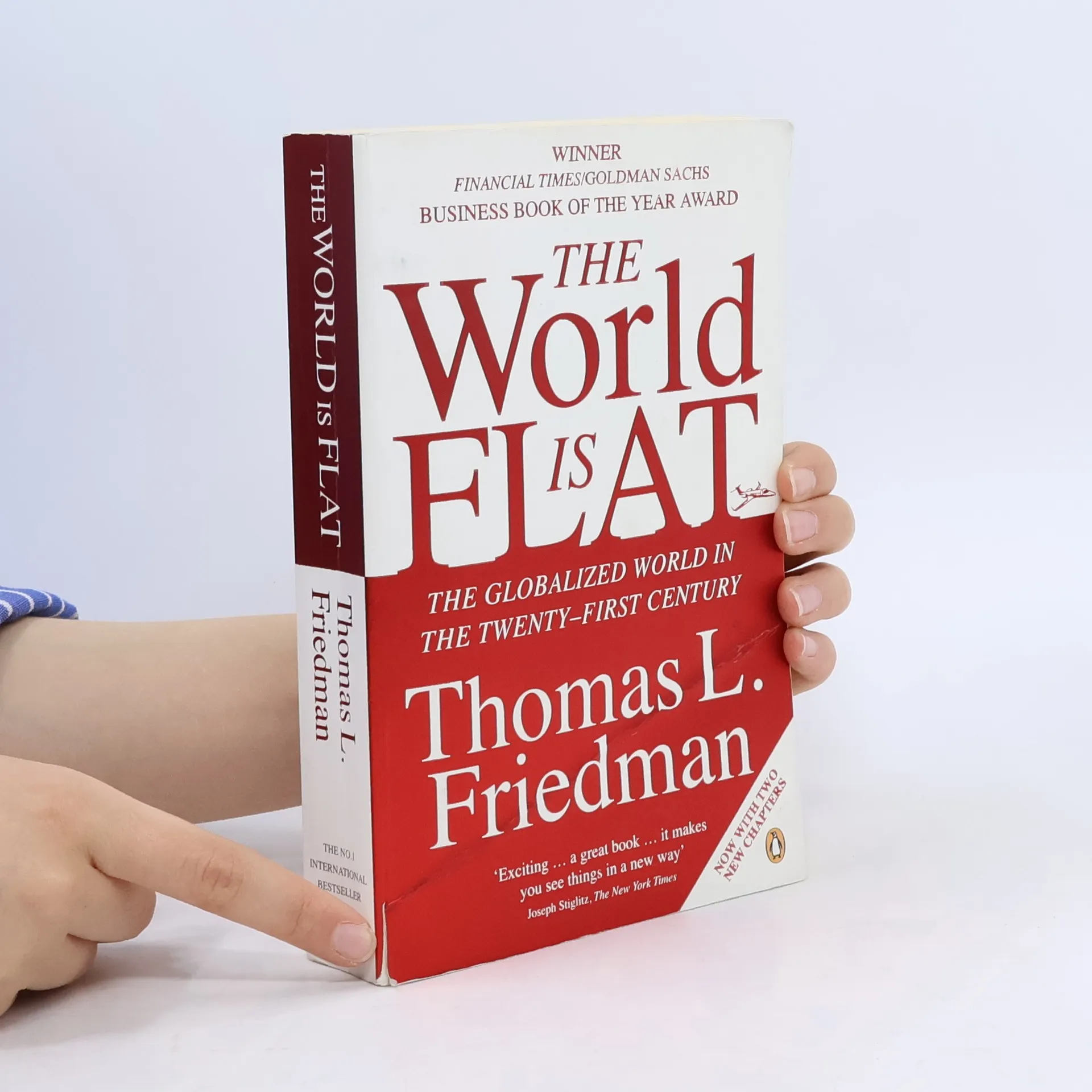


The World is Flat
Schulausgabe für das Niveau C1, ab dem 6. Lernjahr. Ungekürzter englischer Originaltext mit Annotationen
Autores
Valoración del libro
Parámetros
- 660 páginas
- 24 horas de lectura
Más información sobre el libro
When scholars write the history of the world twenty years from now, what will they identify as the most crucial development? The attacks on the World Trade Center on 9/11 and the Iraq war? Or the convergence of technology and events that enabled countries like India and China to join the global supply chain for services and manufacturing, resulting in significant wealth for their middle classes and a vested interest in globalization? This "flattening" of the globe raises questions about whether the world has become too small and fast for human beings and their political systems to adapt effectively. In this insightful book, award-winning columnist Thomas Friedman demystifies the new global landscape, helping readers understand the complex interplay of foreign policy and economic issues. He explores how this flattening occurred at the dawn of the 21st century, its implications for nations, companies, communities, and individuals, and how governments and societies must adapt to thrive in this rapidly changing environment.


Compra de libros
Métodos de pago
Nos falta tu reseña aquí
- Título
- The World is Flat
- Subtítulo
- Schulausgabe für das Niveau C1, ab dem 6. Lernjahr. Ungekürzter englischer Originaltext mit Annotationen
- Idioma
- Inglés, Alemán
- Autores
- Thomas Friedman
- Editorial
- Klett
- Publicado en
- 2006
- Páginas
- 660
- ISBN10
- 3125737990
- ISBN13
- 9783125737990
- Serie
- Etiquetas
- No ficción, Ciencias sociales, Historia, Ciencia y Matemáticas, Política, Tecnología, Sociología, América, Siglo XXI, Teoría e historia de la ciencia, Globalización, Industrialización
- Primera publicación
- 2005
- Título original
- The World Is Flat. A Brief History of the Twenty-first Century
- Calificación
- 3,7 de 5
- Descripción
- When scholars write the history of the world twenty years from now, what will they identify as the most crucial development? The attacks on the World Trade Center on 9/11 and the Iraq war? Or the convergence of technology and events that enabled countries like India and China to join the global supply chain for services and manufacturing, resulting in significant wealth for their middle classes and a vested interest in globalization? This "flattening" of the globe raises questions about whether the world has become too small and fast for human beings and their political systems to adapt effectively. In this insightful book, award-winning columnist Thomas Friedman demystifies the new global landscape, helping readers understand the complex interplay of foreign policy and economic issues. He explores how this flattening occurred at the dawn of the 21st century, its implications for nations, companies, communities, and individuals, and how governments and societies must adapt to thrive in this rapidly changing environment.