Esta serie profundiza en los libros innovadores que han remodelado fundamentalmente el pensamiento y la sociedad humana. Cada entrega se centra en un texto clave individual, diseccionando su contexto histórico, sus argumentos centrales y su legado perdurable. Ofrece un viaje cautivador para cualquiera interesado en la historia intelectual y el poder de las ideas. La colección revela la profunda capacidad de la literatura para alterar el curso de la civilización.
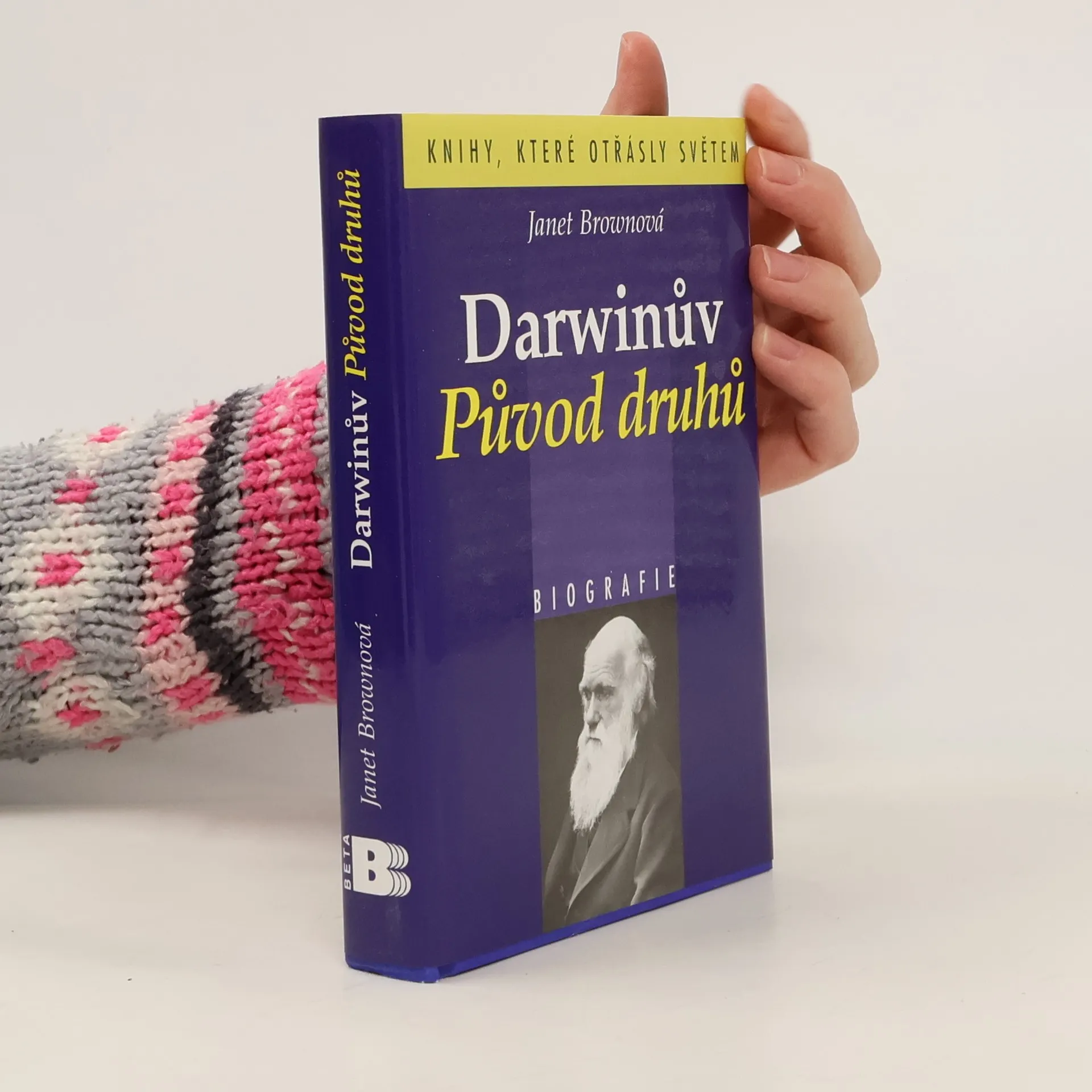
Focusing on the profound impact of "On the Origin of Species," this history reveals its significance as a transformative work in science. Browne, a leading biographer of Charles Darwin, presents a vivid and accessible introduction that explores how this groundbreaking book reshaped our understanding of humanity and evolution. Through detailed insights, readers can appreciate the enduring relevance and brilliance of Darwin's ideas.
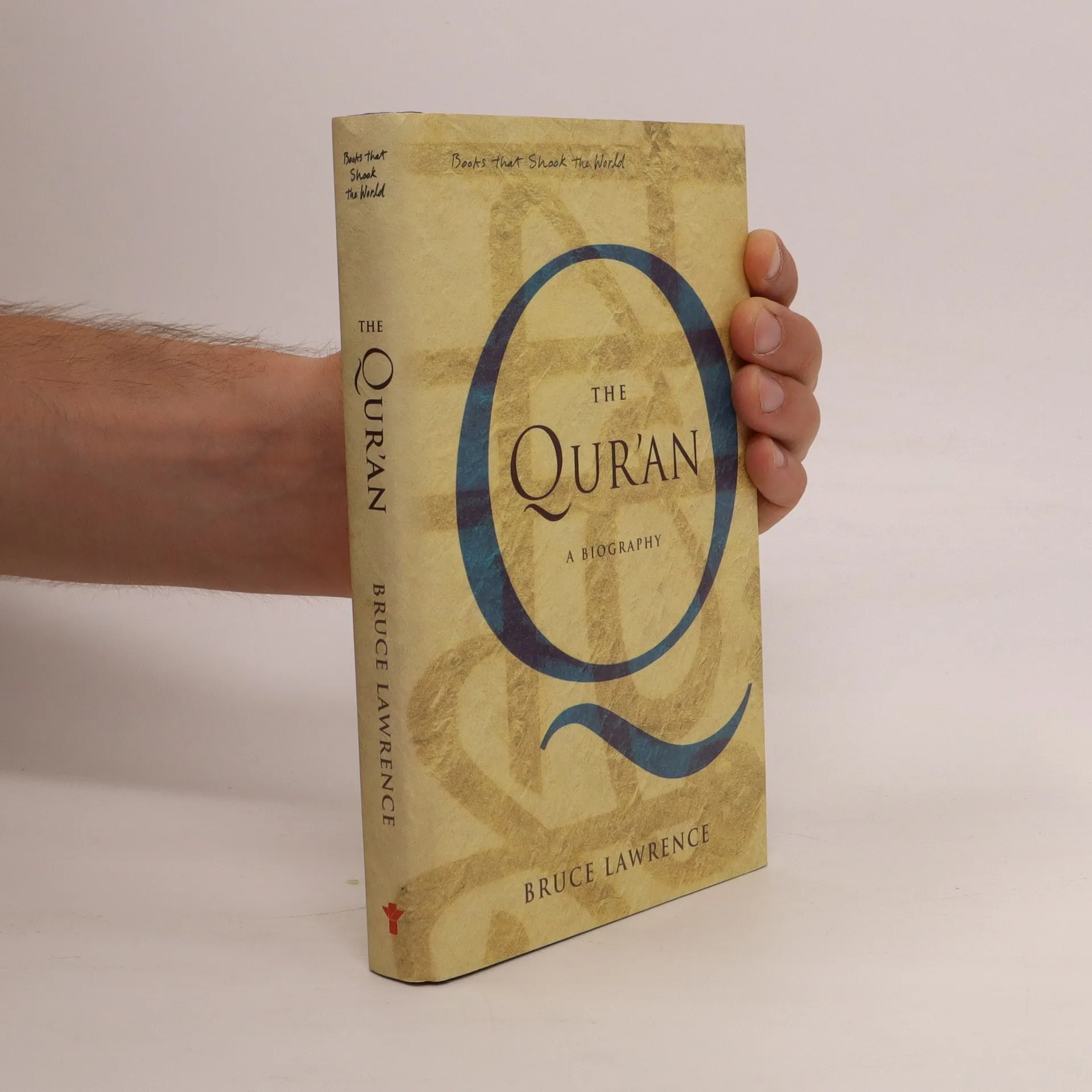
An authoritative introduction to the sacred text reveals how it represents Islam, describing the origins of the faith in seventh-century Arabia while offering insight into how the Qurʼan remains a pivotal influence on modern society and politics
"On War" by Carl von Clausewitz was first published in Germany after the Napoleonic Wars. Its description of 'absolute war' and its insistence on the centrality of battle to war have been blamed for the level of destruction involved in both the First and Second World Wars. This book challenges the popular misconceptions that surround "On War".
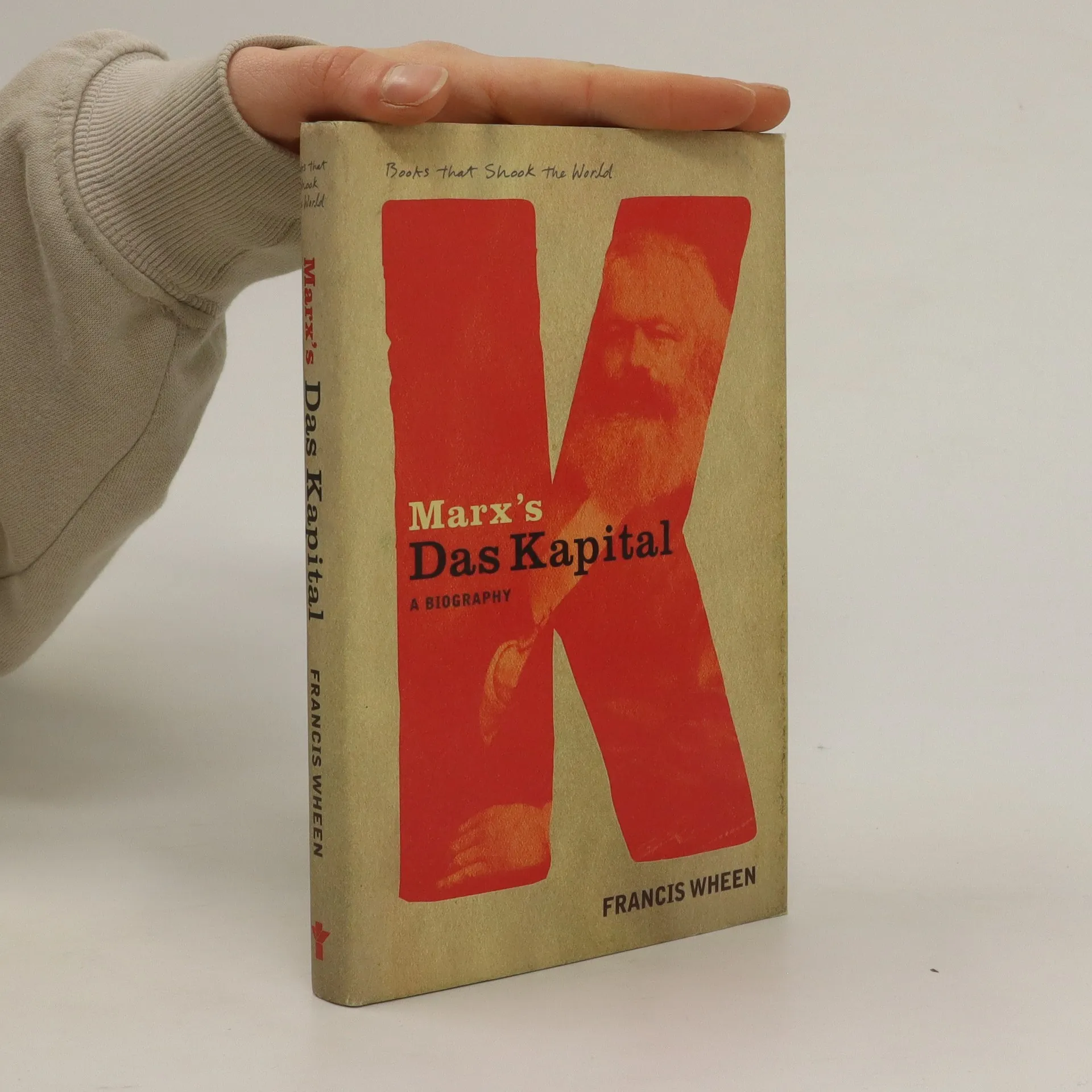
Wheens presents "Das Kapital" as a compelling narrative rather than a traditional economic analysis, likening it to a Gothic novel. The book explores the struggles of individuals ensnared by the very system they helped to build—capitalism. Through vivid detail, it reveals the emotional and societal implications of economic theories, making complex ideas accessible and engaging for readers.
Janet Brownová ukazuje, proč O původu druhů aspiruje na titul nejvýznamnější vědecké publikace, která byla kdy vydána. Popisuje vývoj Darwinových teorií, vysvětluje, jak byly ve své době přijaty a zkoumá, proč jsou dodnes předmětem sporů. Její kniha je nádherně čtivá úvaha o díle, které navždy změnilo naši představu o tom, co znamená být člověkem.
The complexities of military strategy are explored through Carl von Clausewitz's "On War," a foundational yet contradictory text that has shaped military thought for generations. Despite its challenging language and posthumous publication, its impact on modern warfare is undeniable. Hew Strachan, a leading military historian, provides clarity by unpacking Clausewitz's intentions and the book's relevance today. This insightful analysis serves as an essential guide for readers seeking to understand the enduring significance of Clausewitz's work in military history.
· kolejna książka z serii 'Książki, które wstrząsnęły światem' · Thomas Paine
(1737-1809) urodził się w Anglii, lecz musiał z niej uciekać, poszukiwany
przez tajną policję króla Jerzego III, której nie podobało się to, jak wielki
miał posłuch wśród spragnionego wolności i demokracji ludu · rozpalał umysły
walczących o niepodległość Ameryki i wchodził w konflikty z powodu
wolnomyślicielskiego podejścia do religii Fascynująca biografia dzieła
Paine'a, niepokornego i błyskotliwego humanisty, orędownika wolności i
demokracji. Jego Prawa człowieka na zawsze odmieniły sposób tworzenia prozy
politycznej i wywarły trwały wpływ na myśl liberalną i socjaldemokratyczną.
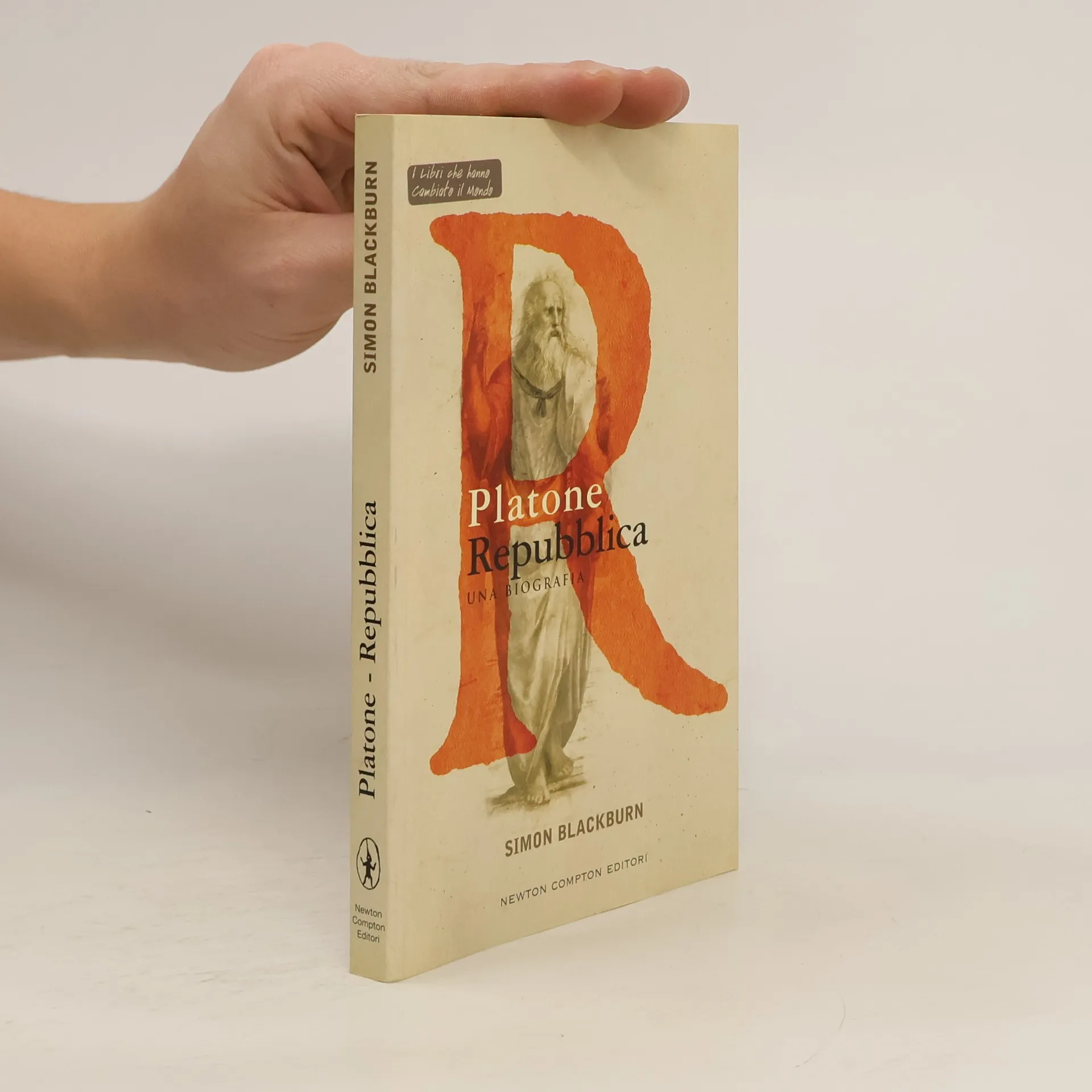
»Das also, was den Dingen, welche erkannt werden, Wahrheit verleiht und dem Erkennenden die Kraft zum Erkennen gibt, ist die Idee des Guten.« Platon gilt als »Vater der Philosophen«, der mit seinen Werken das Fundament allen Philosophierens schuf. Simon Böackburn behandelt die Grundgedanken des Platonismus von einem der Wahrheitssuche und dem Guten verpflichteten Leben in einem durch Wissen und Weisheit stetig fortschreitenden Gemeinwesen.
Thomas Paine's "Rights of Man" has been celebrated, criticized, maligned, suppressed, and co-opted, but Hitchens marvels at its forethought and revels in its contentiousness. In this book, he demonstrates how Paine's book forms the philosophical cornerstone of the U.S.
In this brilliant book, Karl Marx biographer Francis Wheen tells the story of Das Kapital and Marx's twenty-year struggle to complete his unfinished masterpiece. Wheen shows that, far from being a dry economic treatise, Das Kapital is like a vast Gothic novel whose heroes are enslaved by the monster they capitalism.
Plato is perhaps the most significant philosopher who has ever lived and The Republic , composed in Athens in about 375 BC, is widely regarded as his most famous dialogue. Its discussion of the perfect city and the perfect mind laid the foundations for Western culture and, for over two thousand years, has been the cornerstone of Western philosophy. As the distinguished Cambridge professor Simon Blackburn points out, it has probably sustained more commentary, and been subject to more radical and impassioned disagreement, than almost any other of the great founding texts of the modern world. In Plato's Republic , Blackburn explains the judicial, moral and political ideas in the Republic with dazzling insight and clarity. Blackburn also examines Republic 's remarkable influence and unquestioned staying power, and shows why, from St. Augustine to twentieth century philosophers such as Ludwig Wittgenstein and Henri Bergson, Western thought is still conditioned by this most important, and contemporary, of books.
«I filosofi hanno solo interpretato il mondo in modi diversi; si tratta ora di trasformarlo», così scriveva Karl Marx nel 1845; e questa è l’essenza del Capitale, veemente e lucida analisi del mondo capitalistico che avrebbe influenzato le vite di milioni di persone e cambiato il corso della storia. Con vividi dettagli, Francis Wheen racconta la ventennale battaglia di Marx per tentare di completare un capolavoro rimasto incompiuto. Il capitale nacque in un appartamento di due stanze a Londra, tra liti politiche e tragedie personali. Il primo volume fu pubblicato nel 1867 e, nonostante i tentativi di attutirne l’enorme impatto, anche dopo la morte di Marx l’opera continuò a influenzare pensatori, scrittori e rivoluzionari, da George Bernard Shaw a Lenin. In questo volume brillante e accessibile, Wheen mostra che Il capitale, lungi dall’essere un’arida dissertazione economica, è simile a un romanzo gotico i cui eroi sono resi schiavi da un mostro che essi stessi hanno creato: il capitale. Per questo, secondo l'autore, fino a che esisterà il capitalismo, ci sarà la necessità di leggere e comprendere il capolavoro di Marx.