Esta extensa serie ofrece panorámicas autorizadas y perspicaces de las subdisciplinas centrales dentro de la ciencia política. Cada volumen profundiza en un área específica, cubriendo temas desde la teoría política y la política comparada hasta las relaciones internacionales y la metodología. Sirve como un recurso indispensable para académicos e investigadores que buscan comprender el panorama actual y las direcciones futuras de la disciplina. La colección tiene como objetivo no solo informar sobre el estado de la ciencia política, sino también dar forma activamente a su desarrollo continuo.
The Oxford Handbooks of Political Science are the essential guide to the state
of political science today. With engaging contributions from major
international scholars, The Oxford Handbook of Law and Politics provides the
key point of reference for anyone working on the interception between law and
political science.
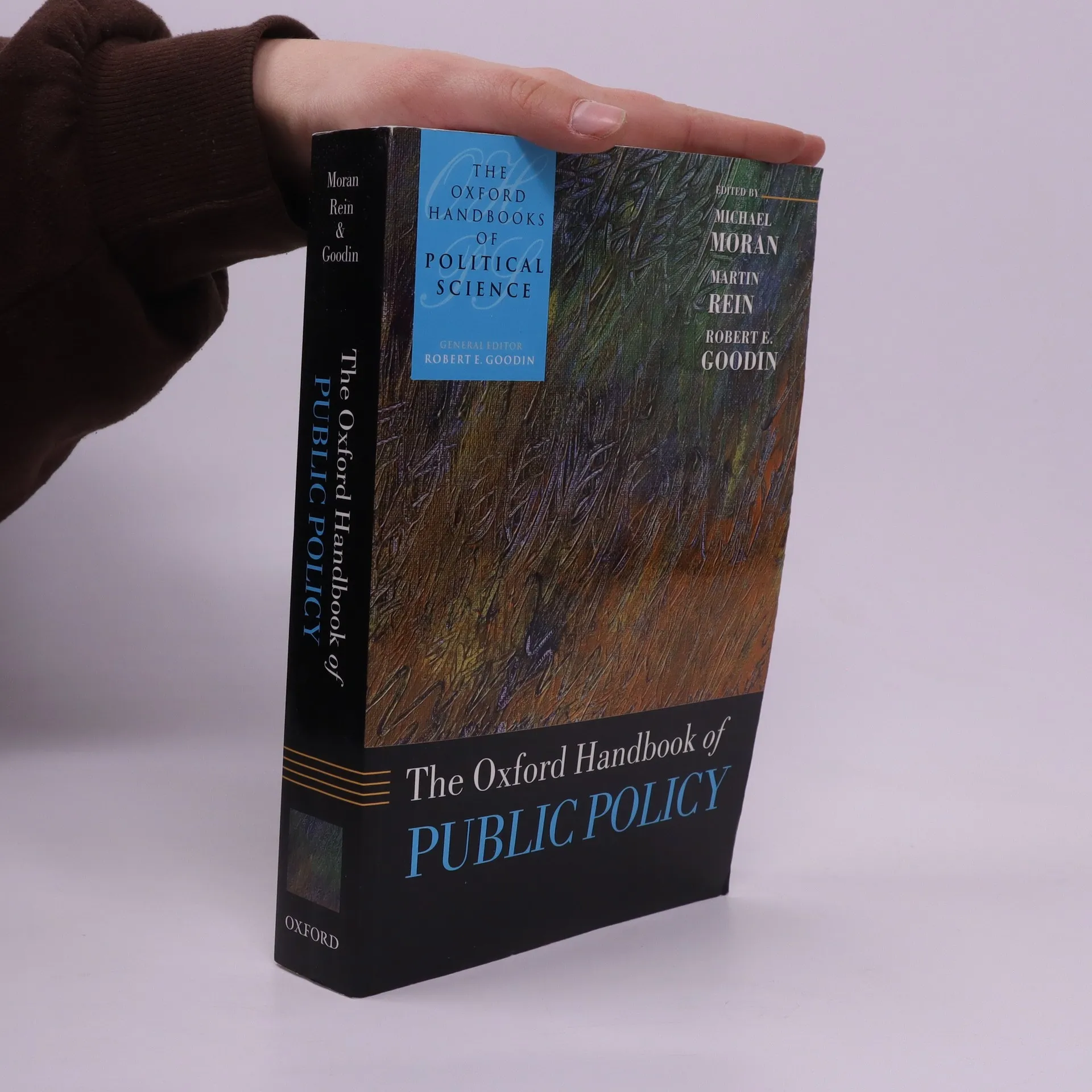
This is part of a ten volume set of reference books offering authoritative and engaging critical overviews of the state of political science. This work explores the business end of politics, where theory meets practice in the pursuit of public good.
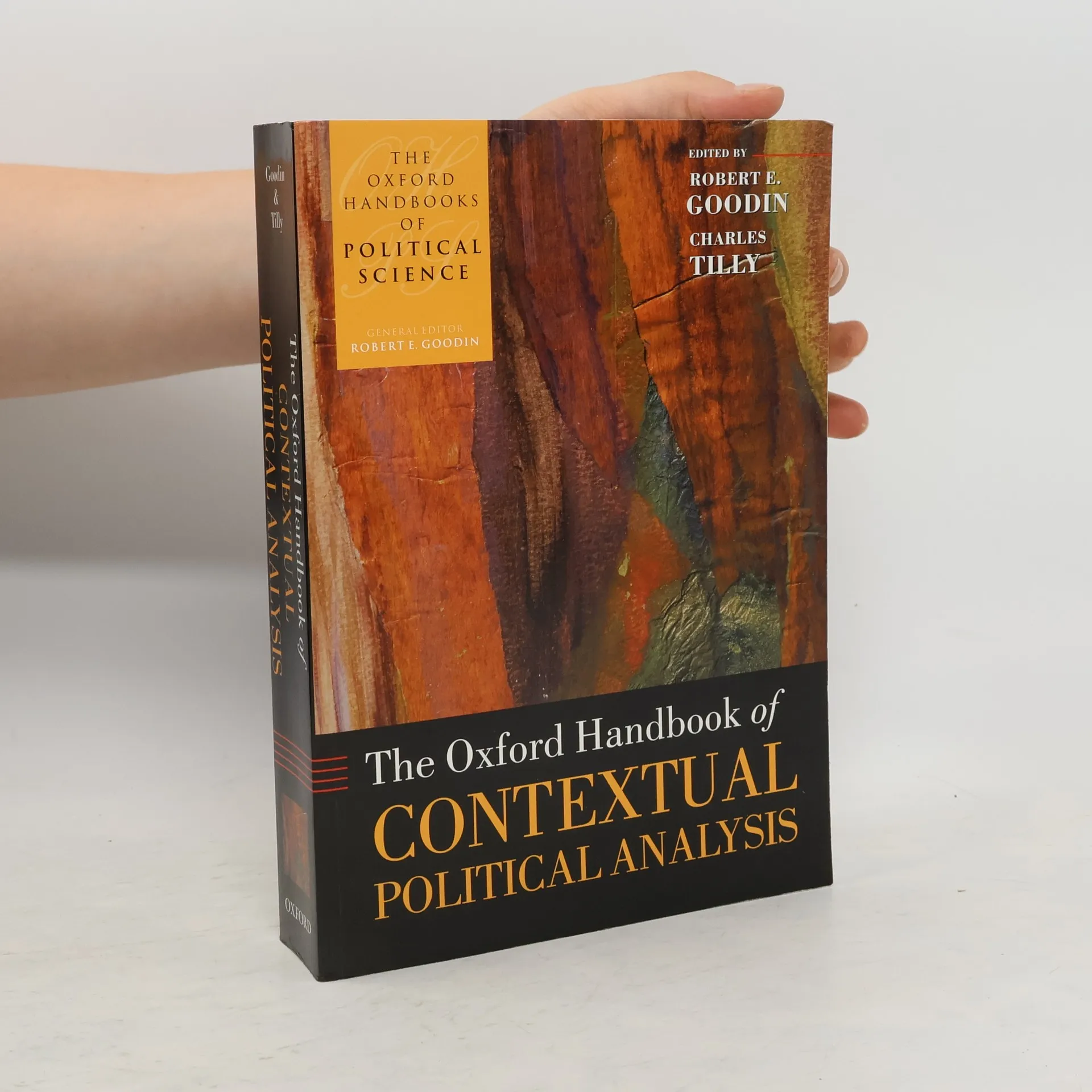
This is part of a ten volume set of reference books offering authoritative and engaging critical overviews of the state of political science. This work explores the idea of context in politics from a number of angles, including philosophically psychologically, historically and culturally.
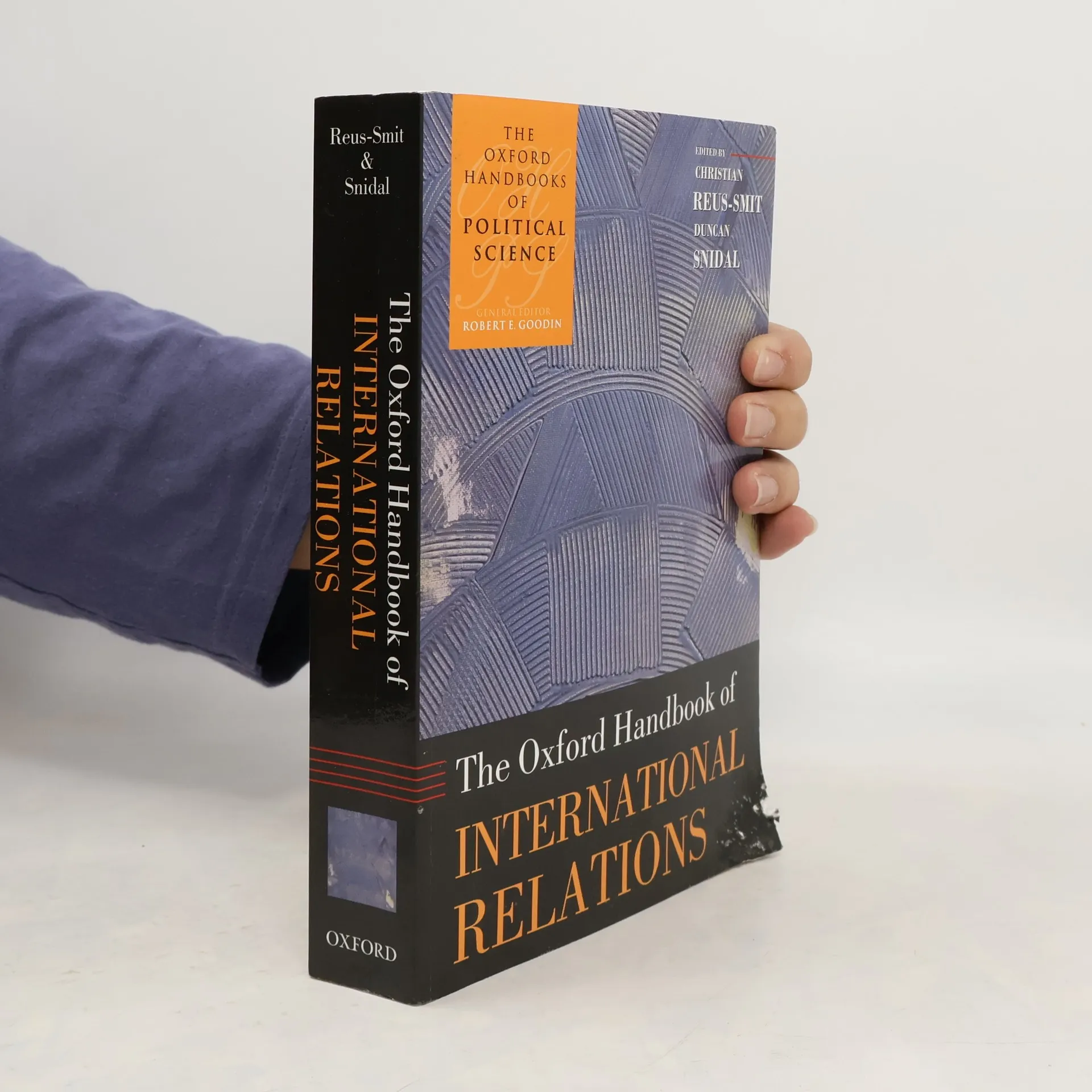
The Oxford Handbook of International Relations offers the most authoritative and comprehensive overview to date of the field of international relations. Arguably the most impressive collection of international relations scholars ever brought together within one volume, the Handbook debates the nature of the field itself, critically engages with the major theories, surveys a wide spectrum of methods, addresses the relationship between scholarship and policy making, and examines the field's relation with cognate disciplines. The Handbook takes as its central themes the interaction between empirical and normative inquiry that permeates all theorizing in the field and the way in which contending approaches have shaped one another. In doing so, it provides an authoritative and critical introduction to the subject and establishes a sense of the field as a dynamic realm of argument and inquiry. The Oxford Handbook of International Relations will be essential reading for all of those interested in the advanced study of global politics and international affairs.