

Liebe als treibende Kraft, der Tod allgegenwärtig im Meer und am Horizont des Daseins: Bei den Menschen auf Skiathos fügen sich elementare Erfahrungen zu einem berührenden Panorama persönlicher und sozialer Schicksale im Griechenland des 19. Jahrhunderts. Im Mittelpunkt stets Frauen, deren Schönheit, Liebes- und Standvermögen der feinfühlige Psychologe Papadiamantis in einer irisierenden Sprache huldigt. Die sechs Meistererzählungen des Bandes wollen so gar nicht zu den Klischees des heutigen Inseltourismus passen. Auch der Mikrokosmos der entlegenen Sporadeninsel vereint in sich, was überall auf dieser Welt geschieht: große Gefühle, grenzwertiges Handeln, dramatische und komische Verhält- nisse sowie tröstliche Entwicklungen.
Alexandros Papadiamantis Orden de los libros (cronológico)
4 de marzo de 1851 – 3 de enero de 1911
Alexandros Papadiamantis fue un influyente novelista y cuentista griego cuya obra explora profundamente las vidas de la gente común. Sus narrativas a menudo se inspiran en su isla natal, Skiathos, que se convierte en un vívido telón de fondo para sus historias. Captura la atmósfera, las costumbres y la vida espiritual de la comunidad isleña con gran sensibilidad, centrándose en las luchas y alegrías diarias de los pobres. El estilo de Papadiamantis se caracteriza por su belleza poética y su fuerte sentido del detalle, lo que permite a los lectores sumergirse por completo en sus evocadoras descripciones.
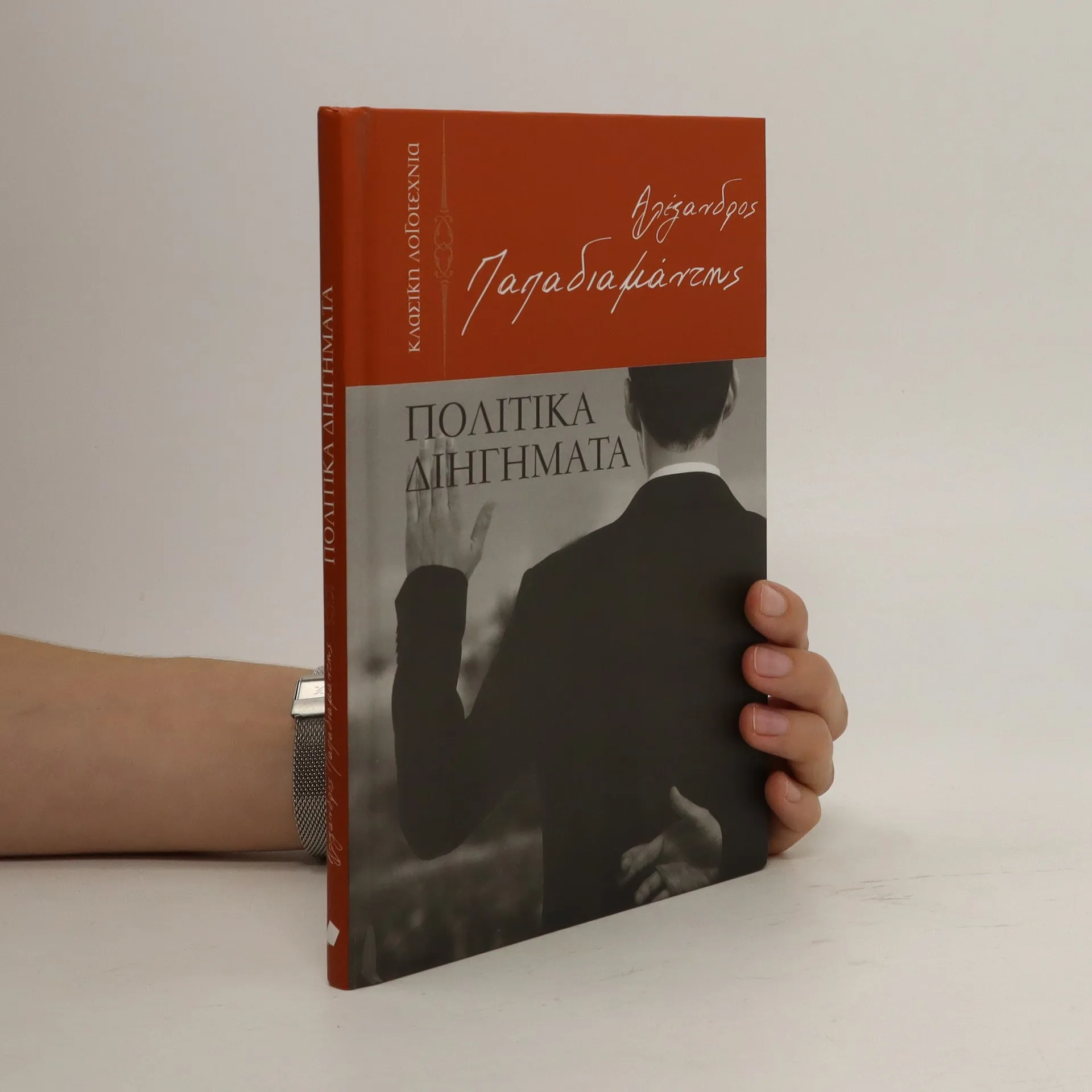


Πολιτικά διηγήματα
- 156 páginas
- 6 horas de lectura
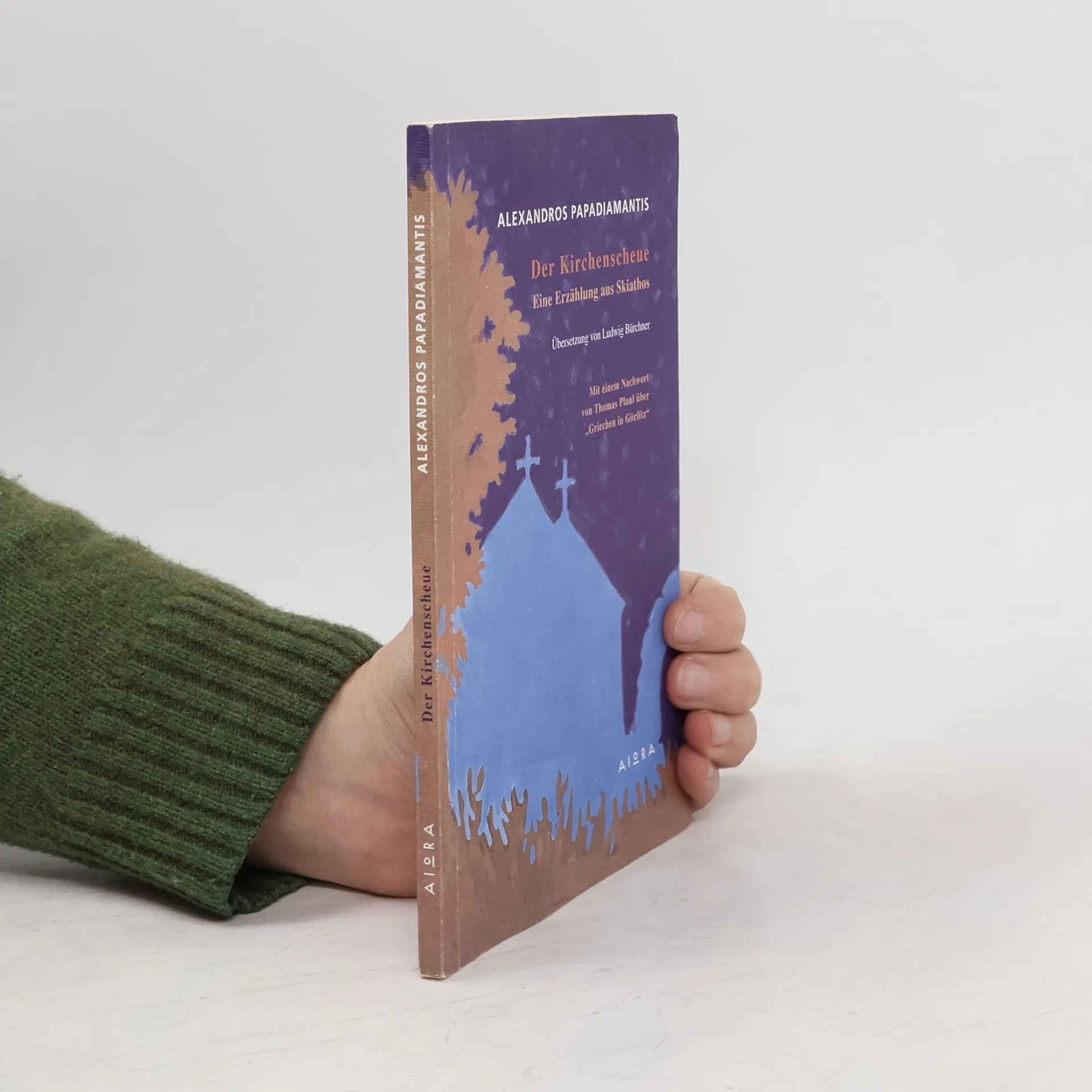
Vor 30 Jahren, auf der verträumten Insel Skiathos, verliebte sich Kolias in Molota. Ihre Liebe wurde mit einem einzigen Kuss besiegelt. Dann wurde sie gezwungen, einen anderen zu heiraten, und er zog sich als Einsiedler in die Berge zurück. Dennoch brachte sie das Schicksal wieder zusammen...
Die Heilige Nacht auf dem Berg
- 96 páginas
- 4 horas de lectura
Beim Lesen von Papadiamantis in der heutigen Zeit erkennen wir nicht nur eine Welt, die vergeht, sondern vor allem eine Lebenshaltung, eine Art, Ereignisse, Menschen und Situationen in der jeweils aktuellen Realität zu betrachten. Wie wird beispielsweise die Zugehörigkeit zur menschlichen Gemeinschaft erlebt, das Mitgefühl in den Beziehungen der Menschen zu ihren vielfältigen Nöten, die Unterscheidung und Wahl zwischen dem Wahren und dem Falschen. Eine Lebenshaltung, die durch Jahrhunderte von Tradition und Kultur geformt wurde, fest und immer wertvoll. Ein Schatz, den auch die neuen Generationen in den Geschichten unseres großen Schriftstellers entdecken können und sich an seinem kritischen und poetischen Denken, seinem Humor und seiner unvergleichlichen Ausdruckskunst erfreuen können.
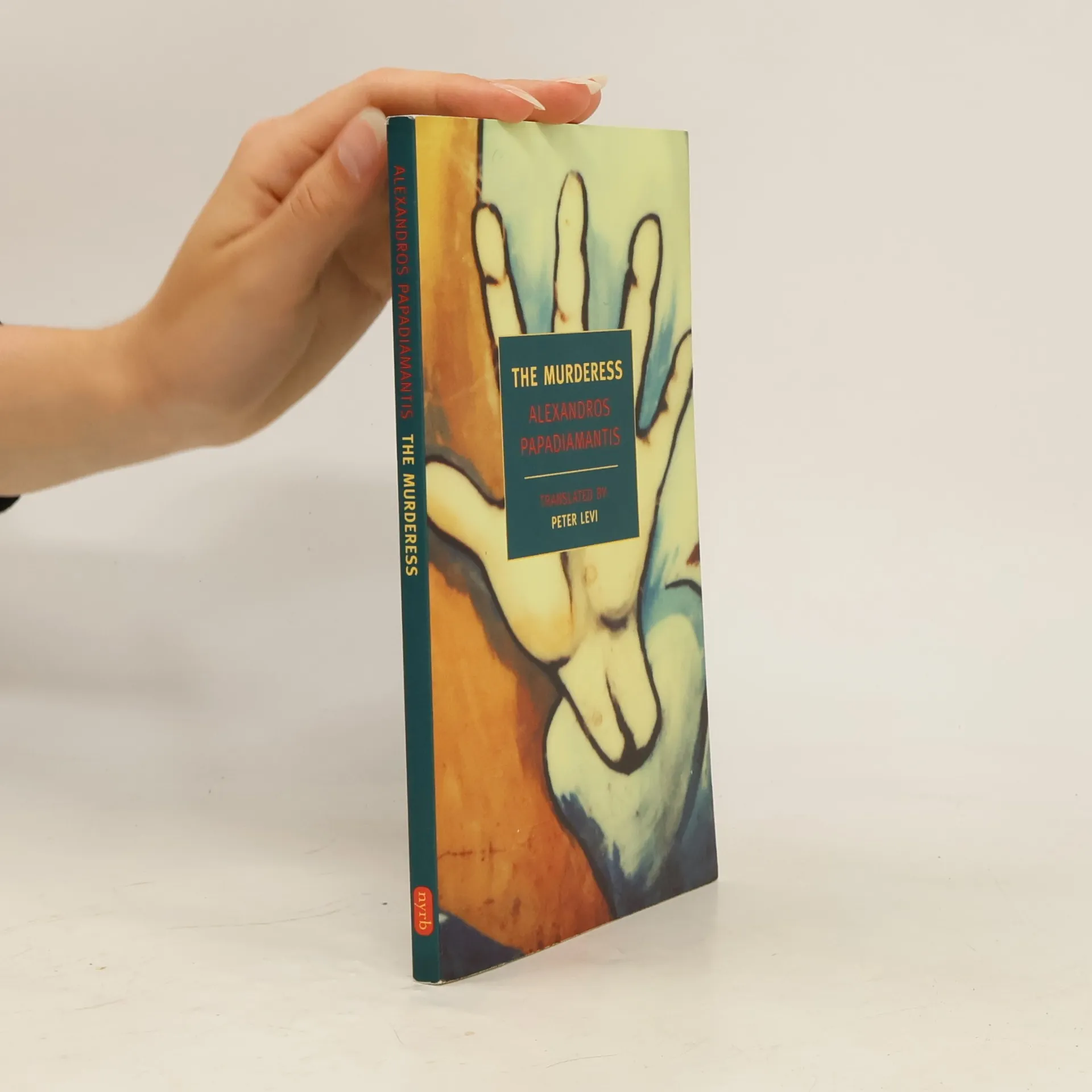
The Murderess is a bone-chilling tale of crime and punishment with the dark beauty of a backwoods ballad. Set on the dirt-poor Aegean island of Skiathos, it is the story of Hadoula, an old woman living on the margins of society and at the outer limits of respectability. Hadoula knows about herbs and their hidden properties, and women come to her when they need help. She knows women’s secrets and she knows the misery of their lives, and as the book begins, she is trying to stop her new-born granddaughter from crying so that her daughter can at last get a little sleep. She rocks the baby and rocks her and then the terrible truth hits her: there’s nothing worse than being born a woman, and there’s something that she, Hadoula, can do about that. Peter Levi’s matchless translation of Alexandros Papadiamantis’s astonishing novella captures the excitement and haunting poetry of the original Greek.
