

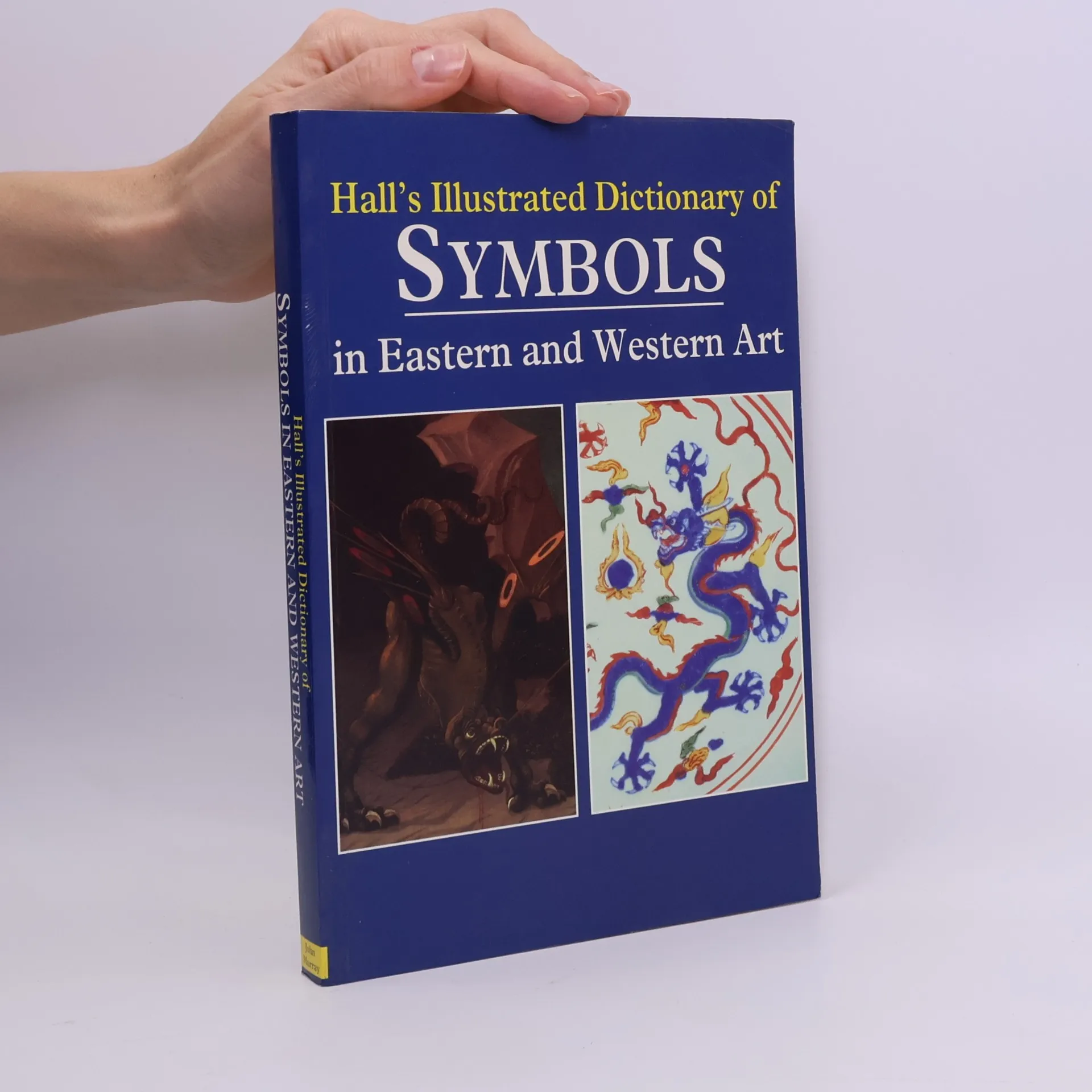


The Illustrated Dictionary of Symbols in Eastern and Western Art
Autores
Más información sobre el libro
James Hall's book explores the language of symbols in art. He shows us how familiar, everyday objects in paintings, drawings and sculpture often carry a deeper layer of meaning. Interpreting this language is a fascinating study. The author's work, Dictionary of Subjects and Symbols in Art, deals with the symbolism of Christian and classical art. Here, the horizons are wider. He now includes the art of ancient Egypt and the Near and Far East whose civilizations employed a great variety of art forms that expressed many shades of meaning, from simple, everyday hopes and fears to the profoundest philosophical and religious aspirations. Each had its own, clearly distinguished language of symbols. This book provides their keys, comparing and contrasting one with another.
Compra de libros
The Illustrated Dictionary of Symbols in Eastern and Western Art, James Hall
- Idioma

- Publicado en
- 1994
- Encuadernación
- (Tapa blanda)
Métodos de pago
Nadie lo ha calificado todavía.
- Título
- The Illustrated Dictionary of Symbols in Eastern and Western Art
- Idioma
- Inglés
- Autores
- James Hall
- Editorial
- John Murray Press
- Publicado en
- 1994
- Formato
- Tapa blanda
- Páginas
- 244
- ISBN10
- 0719553768
- ISBN13
- 9780719553769
- Serie
- Etiquetas
- Guías y Manuales, Arte, Historia del arte, Teoría del arte
- Descripción
- James Hall's book explores the language of symbols in art. He shows us how familiar, everyday objects in paintings, drawings and sculpture often carry a deeper layer of meaning. Interpreting this language is a fascinating study. The author's work, Dictionary of Subjects and Symbols in Art, deals with the symbolism of Christian and classical art. Here, the horizons are wider. He now includes the art of ancient Egypt and the Near and Far East whose civilizations employed a great variety of art forms that expressed many shades of meaning, from simple, everyday hopes and fears to the profoundest philosophical and religious aspirations. Each had its own, clearly distinguished language of symbols. This book provides their keys, comparing and contrasting one with another.