

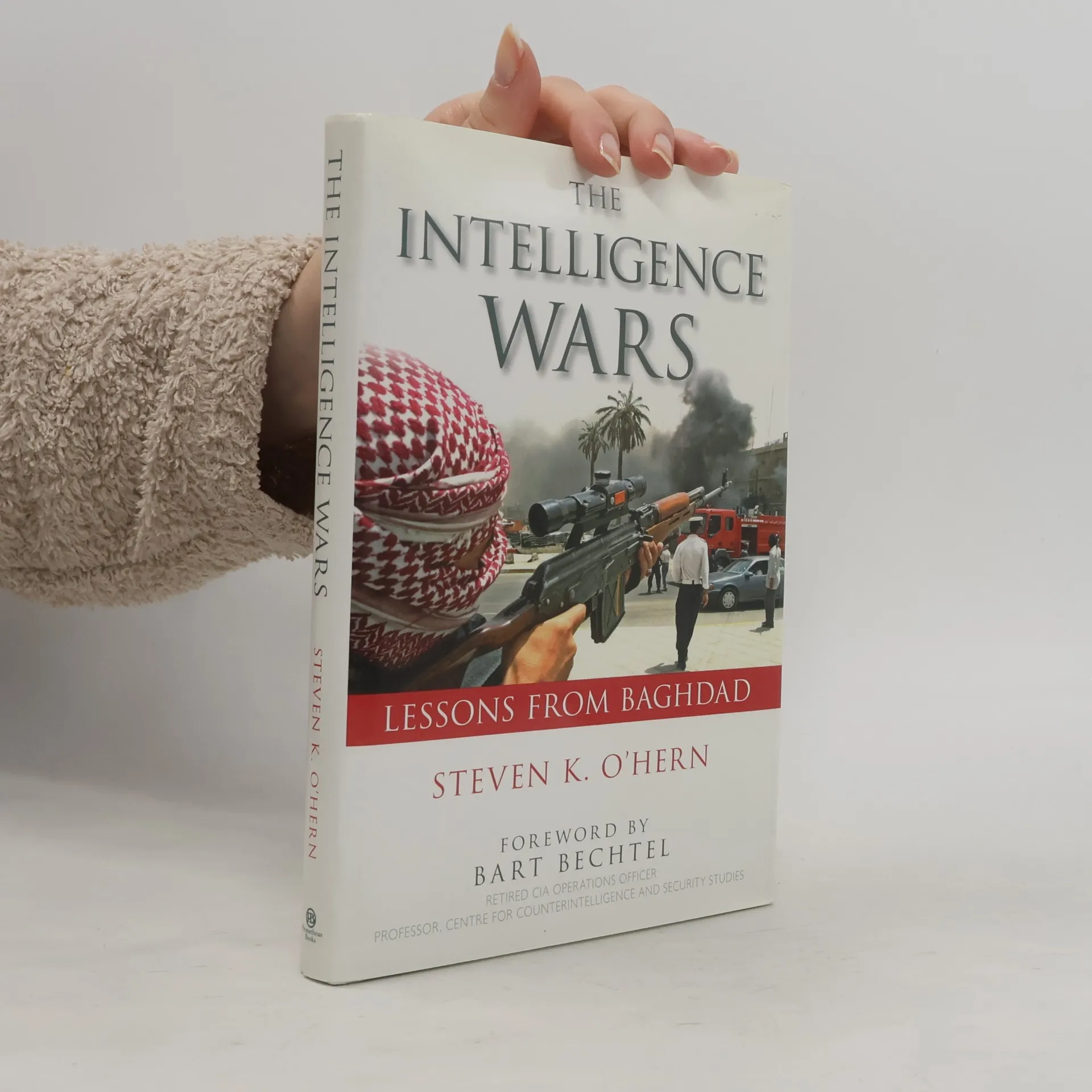

The Intelligence Wars
Lessons from Baghdad
Autores
Más información sobre el libro
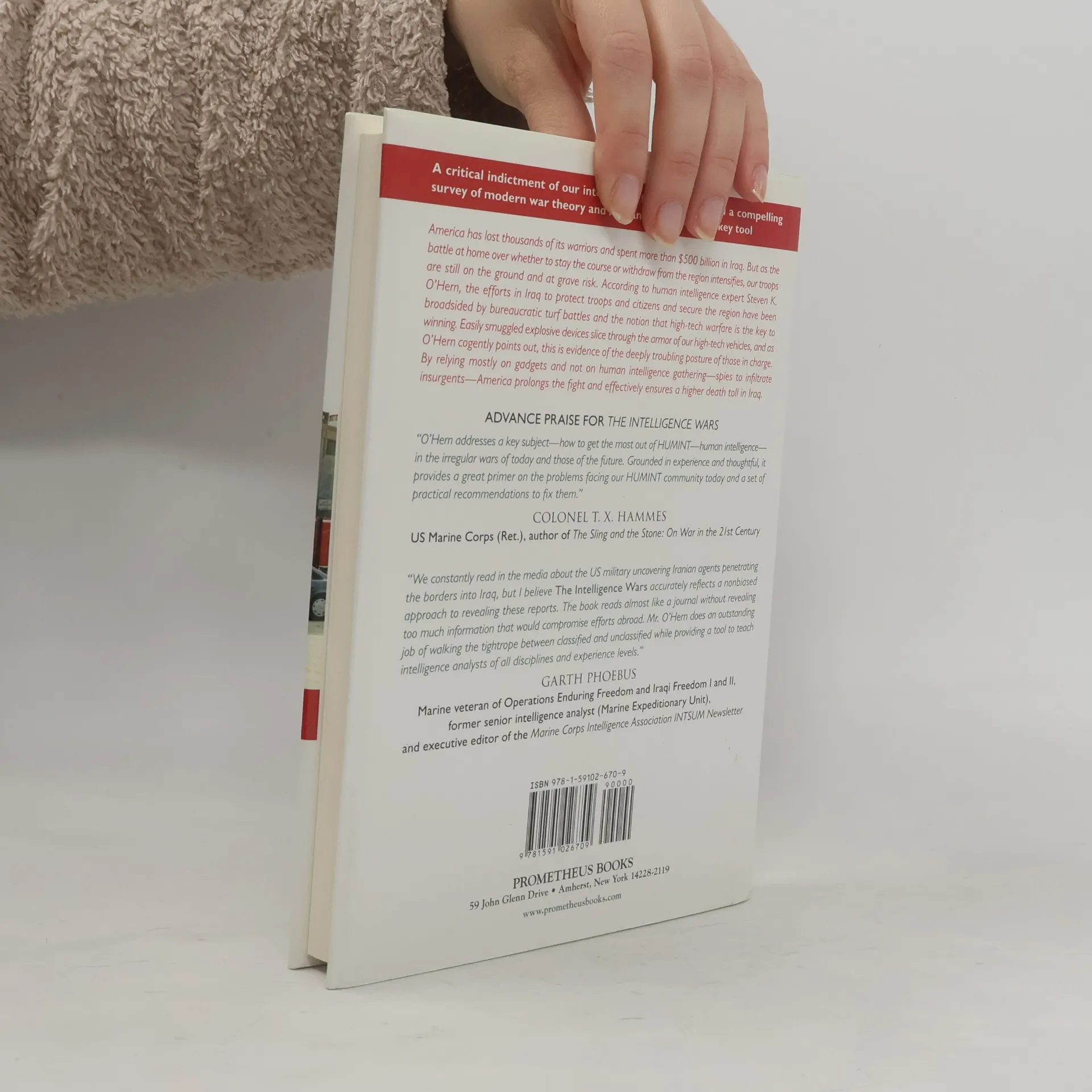
In this revealing insider's look at the US intelligence community's efforts to fight the insurgency in Iraq, author Steven K. O'Hern, who served in Iraq in 2005 as a senior intelligence officer, offers a critical assessment of our intelligence failures and suggests ways of improving our ability to fight an often elusive enemy.O'Hern criticizes America's military leaders for being enamored with high-technology solutions for all situations, including intelligence operations. Essentially, we are still relying on an intelligence system that was designed to beat the Soviet army. Using examples from human source operations conducted in Iraq, this book explains why human intelligence-not technology-is the key to defeating an insurgency and why the US is so poor at using what the military calls "HUMINT."O'Hern also cites internal structural problems that work against effective intelligence operations. The author gives examples of missed opportunities that resulted from information being caught in "stovepipes" and red tape.In conclusion, he cautions that these unresolved problems will continue to affect the United States in any future conflict against an insurgency.
Compra de libros
The Intelligence Wars, Bart Bechtel, Steven K. O'Hern
- Idioma

- Publicado en
- 2008
- Encuadernación
- (Tapa dura),
- Estado del libro
- Muy Bueno
- Precio
- 7,69 €
Métodos de pago
Nadie lo ha calificado todavía.
- Título
- The Intelligence Wars
- Subtítulo
- Lessons from Baghdad
- Idioma
- Inglés
- Autores
- Bart Bechtel, Steven K. O'Hern
- Editorial
- Prometheus
- Publicado en
- 2008
- Formato
- Tapa dura
- Páginas
- 292
- ISBN10
- 1591026709
- ISBN13
- 9781591026709
- Serie
- Categorías
- Etiquetas
- Tema histórico, Política, EE.UU., Prosa bélica, Guerras, Teorías Políticas, Historia de EE. UU., Geopolítica, Gobierno, Ejército, CIA, Filosofía política, Irak, Política mundial, Inteligencia militar
- Descripción
- In this revealing insider's look at the US intelligence community's efforts to fight the insurgency in Iraq, author Steven K. O'Hern, who served in Iraq in 2005 as a senior intelligence officer, offers a critical assessment of our intelligence failures and suggests ways of improving our ability to fight an often elusive enemy.O'Hern criticizes America's military leaders for being enamored with high-technology solutions for all situations, including intelligence operations. Essentially, we are still relying on an intelligence system that was designed to beat the Soviet army. Using examples from human source operations conducted in Iraq, this book explains why human intelligence-not technology-is the key to defeating an insurgency and why the US is so poor at using what the military calls "HUMINT."O'Hern also cites internal structural problems that work against effective intelligence operations. The author gives examples of missed opportunities that resulted from information being caught in "stovepipes" and red tape.In conclusion, he cautions that these unresolved problems will continue to affect the United States in any future conflict against an insurgency.