

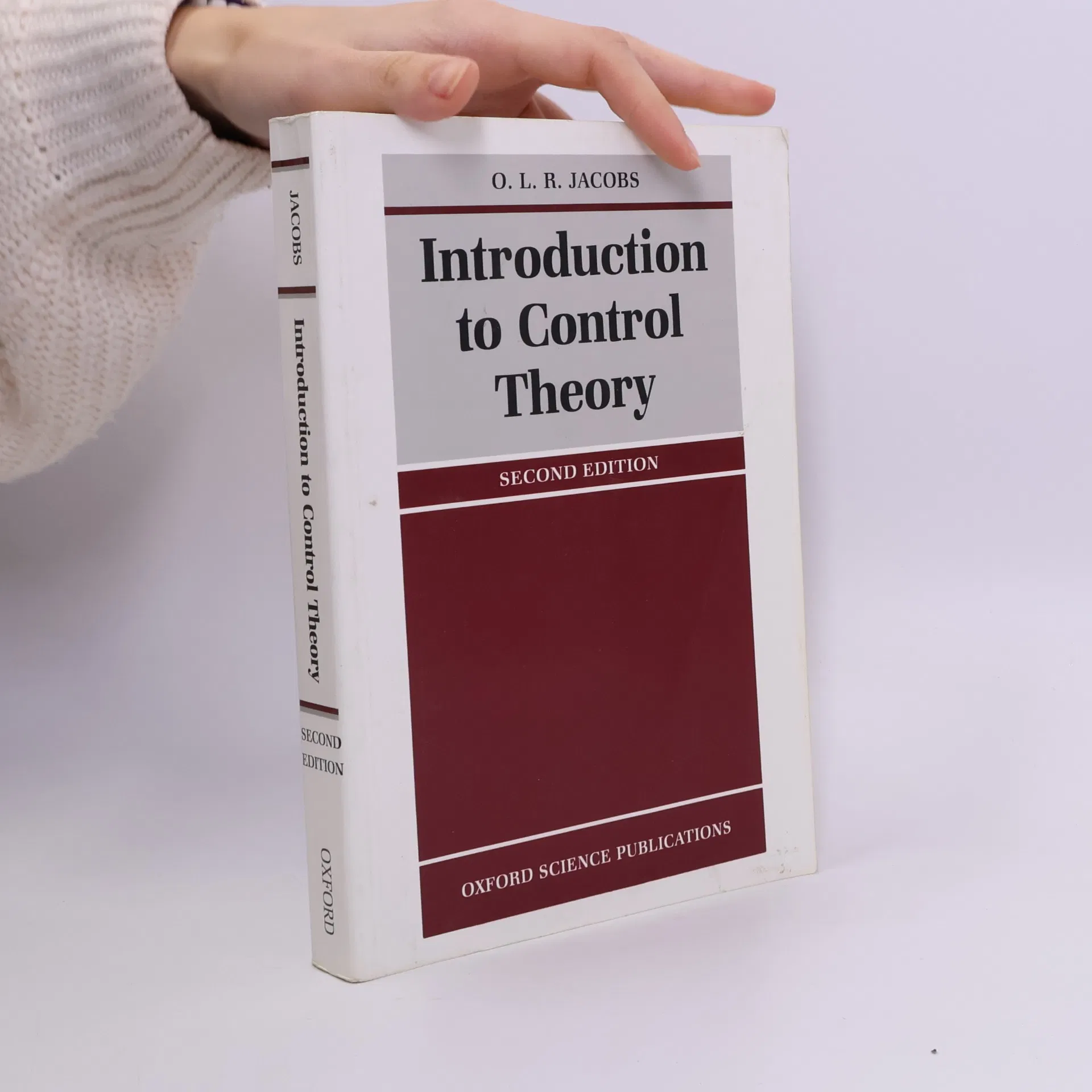

Introduction to Control Theory
Second Edition
Autores
Más información sobre el libro
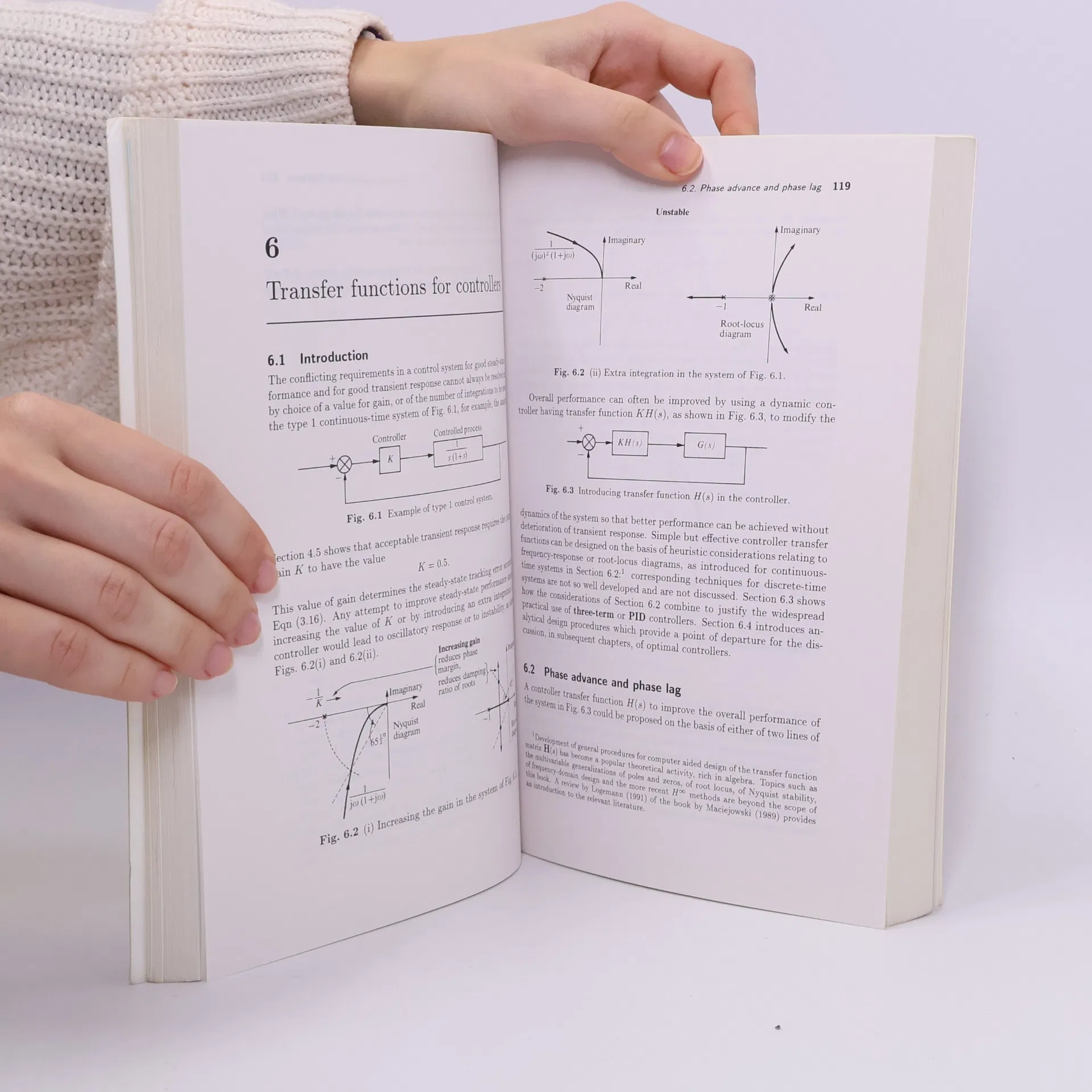
This introduction to the theory of feedback control systems covers the whole range of topics in control theory, unifying them in a single volume. Although the material is essentially mathematical, there is minimal emphasis on technicalities that are not absolutely essential for understandingcontrol systems. Much of this second edition has been rewritten to take account of recent developments in control theory and how it is understood. A structural framework for the book is provided by three traditional topics in the applied mathematics of control scalar, ordinary, and lineardynamic equations with constant coefficients; state space and optimal control theory in the form of dynamic programming; and elementary probability theory. Successful features have been retained from the first edition, including the uniform treatment of both continuous-time and discrete-timesystems, the inclusion of a wide range of topics, and the provision of problems with answers, making it ideal in format for students and researchers in electrical and mechanical engineering, mathematical economics, mathematical biology, physiology, applied mathematics, and operationalresearch.
Compra de libros
Introduction to Control Theory, O. L. R. Jacobs
- Idioma

- Publicado en
- 1994
- Encuadernación
- (Tapa blanda),
- Estado del libro
- Dañado
- Precio
- 13,99 €
Métodos de pago
Nadie lo ha calificado todavía.
- Título
- Introduction to Control Theory
- Subtítulo
- Second Edition
- Idioma
- Inglés
- Autores
- O. L. R. Jacobs
- Editorial
- Oxford University Press, U.S.A.
- Publicado en
- 1994
- Formato
- Tapa blanda
- Páginas
- 400
- ISBN10
- 0198562497
- ISBN13
- 9780198562498
- Serie
- Etiquetas
- Tecnología, Automatización
- Descripción
- This introduction to the theory of feedback control systems covers the whole range of topics in control theory, unifying them in a single volume. Although the material is essentially mathematical, there is minimal emphasis on technicalities that are not absolutely essential for understandingcontrol systems. Much of this second edition has been rewritten to take account of recent developments in control theory and how it is understood. A structural framework for the book is provided by three traditional topics in the applied mathematics of control scalar, ordinary, and lineardynamic equations with constant coefficients; state space and optimal control theory in the form of dynamic programming; and elementary probability theory. Successful features have been retained from the first edition, including the uniform treatment of both continuous-time and discrete-timesystems, the inclusion of a wide range of topics, and the provision of problems with answers, making it ideal in format for students and researchers in electrical and mechanical engineering, mathematical economics, mathematical biology, physiology, applied mathematics, and operationalresearch.