

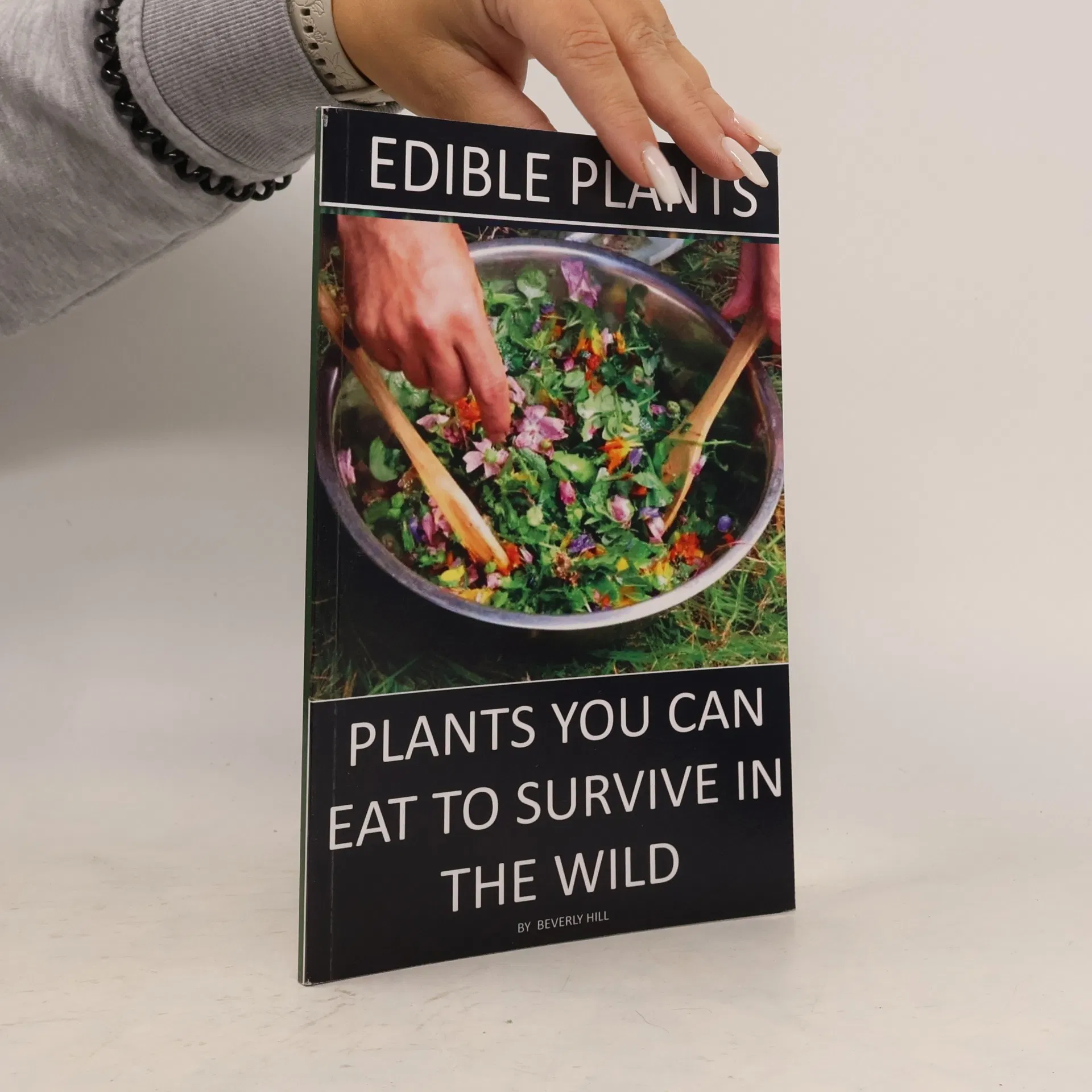


Edible Plants
Plants You Can Eat to Survive in the Wild
Autores
Más información sobre el libro
In survival situations, food is often not the primary concern, as the human body can endure longer periods without it than one might expect. However, securing shelter and water is essential for survival. Familiarizing yourself with edible wild plants before an emergency can be invaluable, allowing you to identify safe options when necessary. Learning to recognize these plants can even enhance your diet in urban settings. Many survival shows highlight the dangers of misidentifying edible plants, leading to potentially fatal mistakes. Understanding which plants are safe to eat is a crucial skill, whether you're lost in the woods or facing an unexpected crisis. Knowing the difference between edible plants and those that are toxic can be life-saving. For instance, some plants may appear unappetizing yet are nutritious, while others that look appealing can be harmful. If you lack survival training, it's vital to learn key indicators of poisonous plants, such as those with leaves in threes, bitter tastes, or unusual sap colors. Additionally, the Universal Edibility Test can help determine a plant's safety. By being aware of these signs and familiarizing yourself with edible species, you can significantly improve your chances of survival in the wild.
Compra de libros
Edible Plants, Beverly Hill
- Idioma

- Publicado en
- 2017
- Encuadernación
- (Tapa blanda),
- Estado del libro
- Bueno
- Precio
- 9,99 €
Métodos de pago
Nadie lo ha calificado todavía.
- Título
- Edible Plants
- Subtítulo
- Plants You Can Eat to Survive in the Wild
- Idioma
- Inglés
- Autores
- Beverly Hill
- Publicado en
- 2017
- Formato
- Tapa blanda
- Páginas
- 86
- ISBN10
- 1974034658
- ISBN13
- 9781974034659
- Serie
- Categorías
- Etiquetas
- Libros de cocina, Vegetarianismo
- Descripción
- In survival situations, food is often not the primary concern, as the human body can endure longer periods without it than one might expect. However, securing shelter and water is essential for survival. Familiarizing yourself with edible wild plants before an emergency can be invaluable, allowing you to identify safe options when necessary. Learning to recognize these plants can even enhance your diet in urban settings. Many survival shows highlight the dangers of misidentifying edible plants, leading to potentially fatal mistakes. Understanding which plants are safe to eat is a crucial skill, whether you're lost in the woods or facing an unexpected crisis. Knowing the difference between edible plants and those that are toxic can be life-saving. For instance, some plants may appear unappetizing yet are nutritious, while others that look appealing can be harmful. If you lack survival training, it's vital to learn key indicators of poisonous plants, such as those with leaves in threes, bitter tastes, or unusual sap colors. Additionally, the Universal Edibility Test can help determine a plant's safety. By being aware of these signs and familiarizing yourself with edible species, you can significantly improve your chances of survival in the wild.