

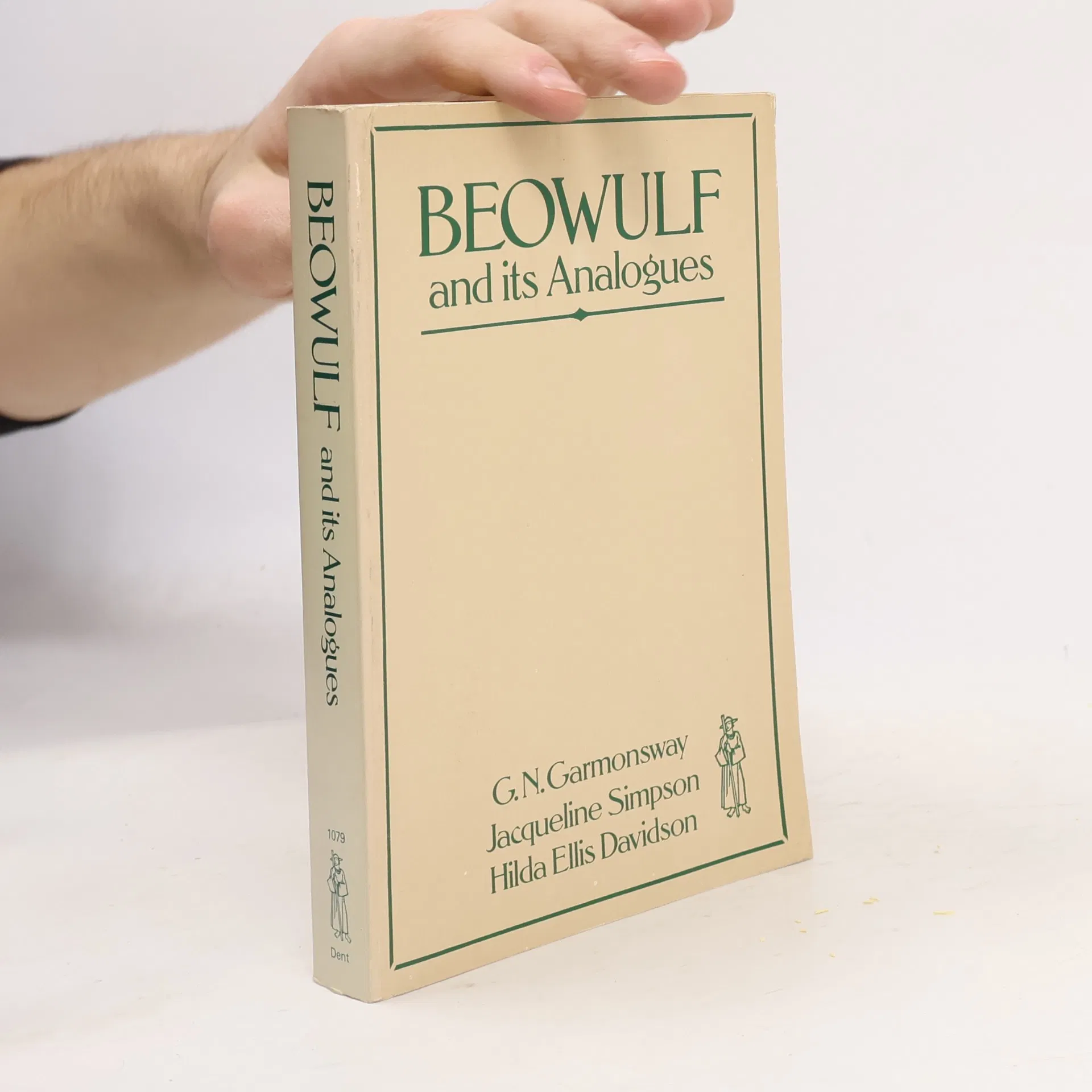

Beowulf and Its Analogues
Más información sobre el libro
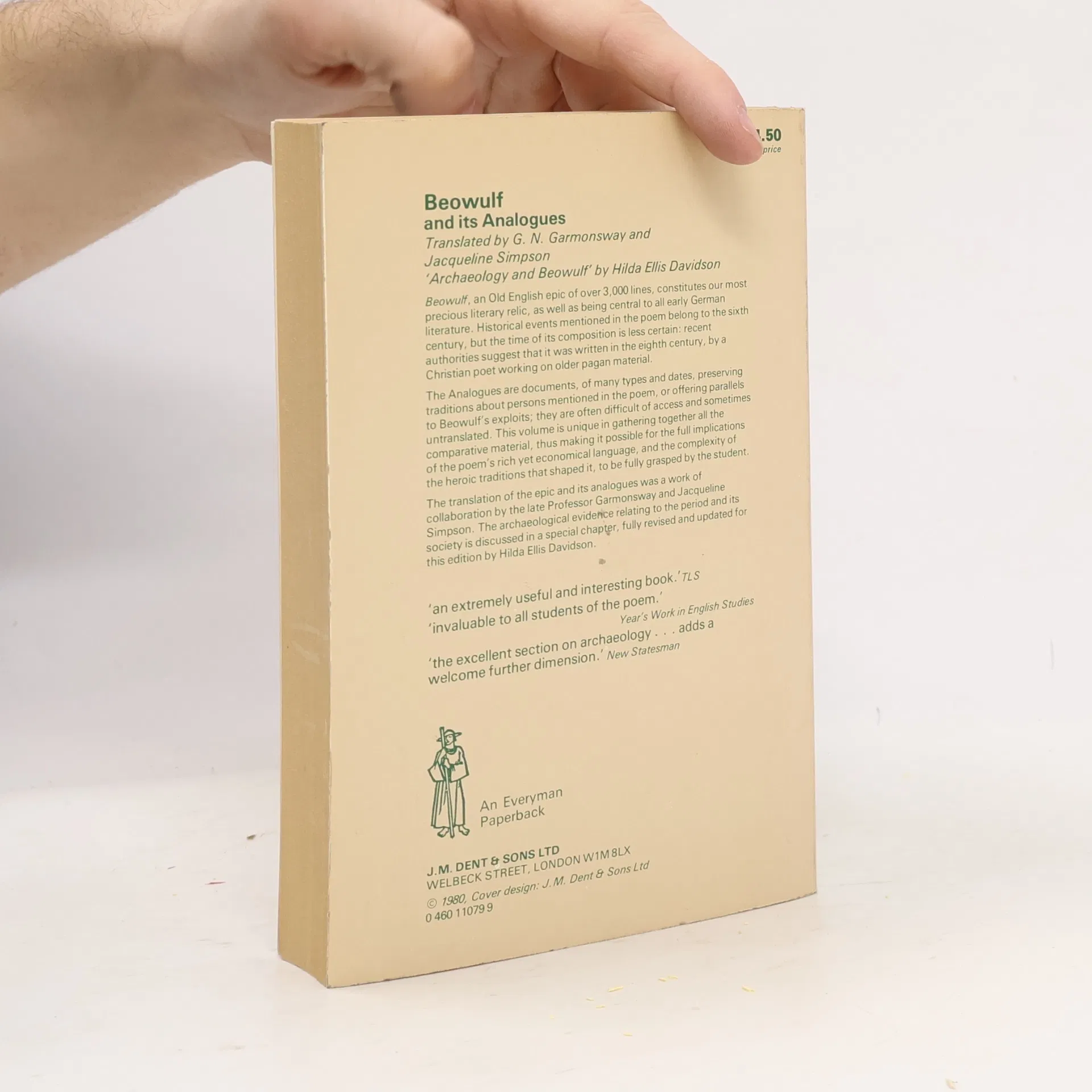
Beowulf is an Old English epic poem of more than three thousand lines, and is central to all early Germanic literature. Historical events mentioned in the poem belong to the Sixth Century, but recent authorities suggest it was written in the Eighth Century by a Christian poet utilizing older pagan material. In this invaluable reference, a new translation is combined with the analogues of the poem: documents of many types and dates which preserve traditions about persons mentioned in the poem or that offer parallels to Beowulf's exploits. Heretofore, students have had to search out these analogues in many different books, many inaccessible or untranslated. An illustrated closing chapter assesses the archaeological evidence relating to the period and society of Beowulf.
Compra de libros
Beowulf and Its Analogues, Jacqueline Simpson, George Norman Garmonsway, Hilda Ellis Davidson
- Idioma

- Publicado en
- 1980,
- Estado del libro
- Bueno
- Precio
- 15,99 €
Métodos de pago
Nadie lo ha calificado todavía.
- Título
- Beowulf and Its Analogues
- Idioma
- Inglés
- Editorial
- Dent
- Publicado en
- 1980
- Páginas
- 368
- ISBN10
- 0460110799
- ISBN13
- 9780460110792
- Serie
- Categorías
- Etiquetas
- Mitología
- Descripción
- Beowulf is an Old English epic poem of more than three thousand lines, and is central to all early Germanic literature. Historical events mentioned in the poem belong to the Sixth Century, but recent authorities suggest it was written in the Eighth Century by a Christian poet utilizing older pagan material. In this invaluable reference, a new translation is combined with the analogues of the poem: documents of many types and dates which preserve traditions about persons mentioned in the poem or that offer parallels to Beowulf's exploits. Heretofore, students have had to search out these analogues in many different books, many inaccessible or untranslated. An illustrated closing chapter assesses the archaeological evidence relating to the period and society of Beowulf.