

The House of Prayer and Learning
Designs for the Sacred Building of Tomorrow
Más información sobre el libro
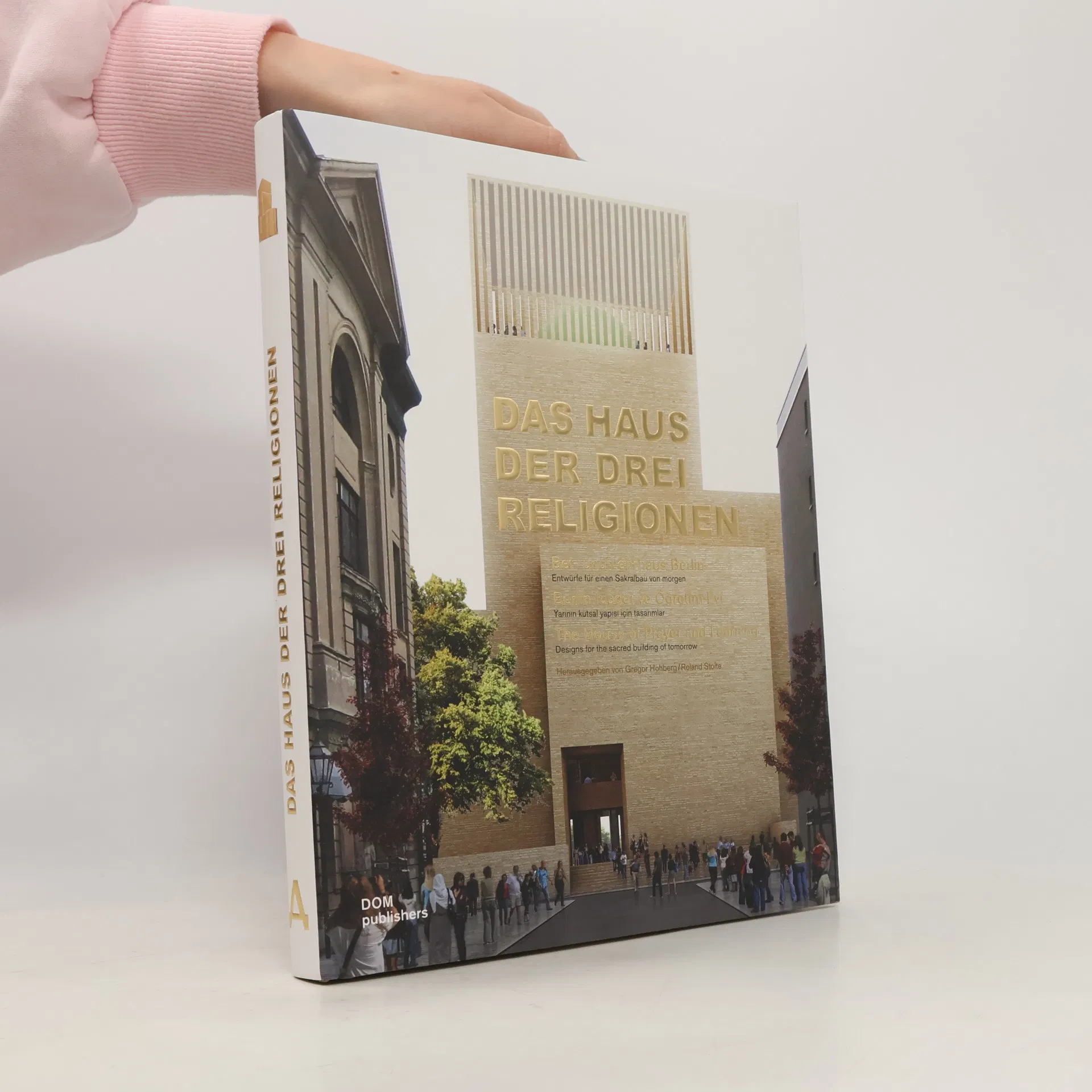
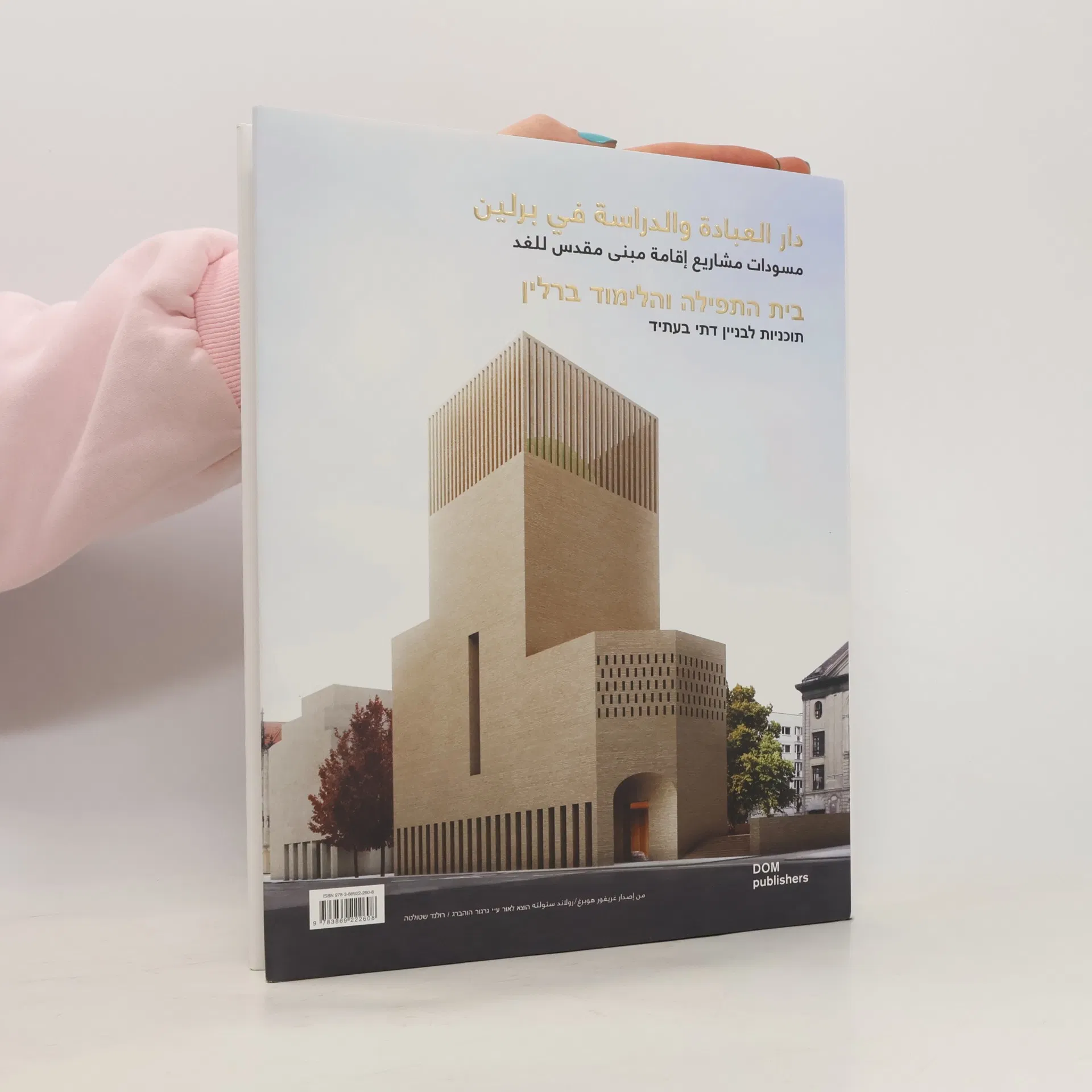
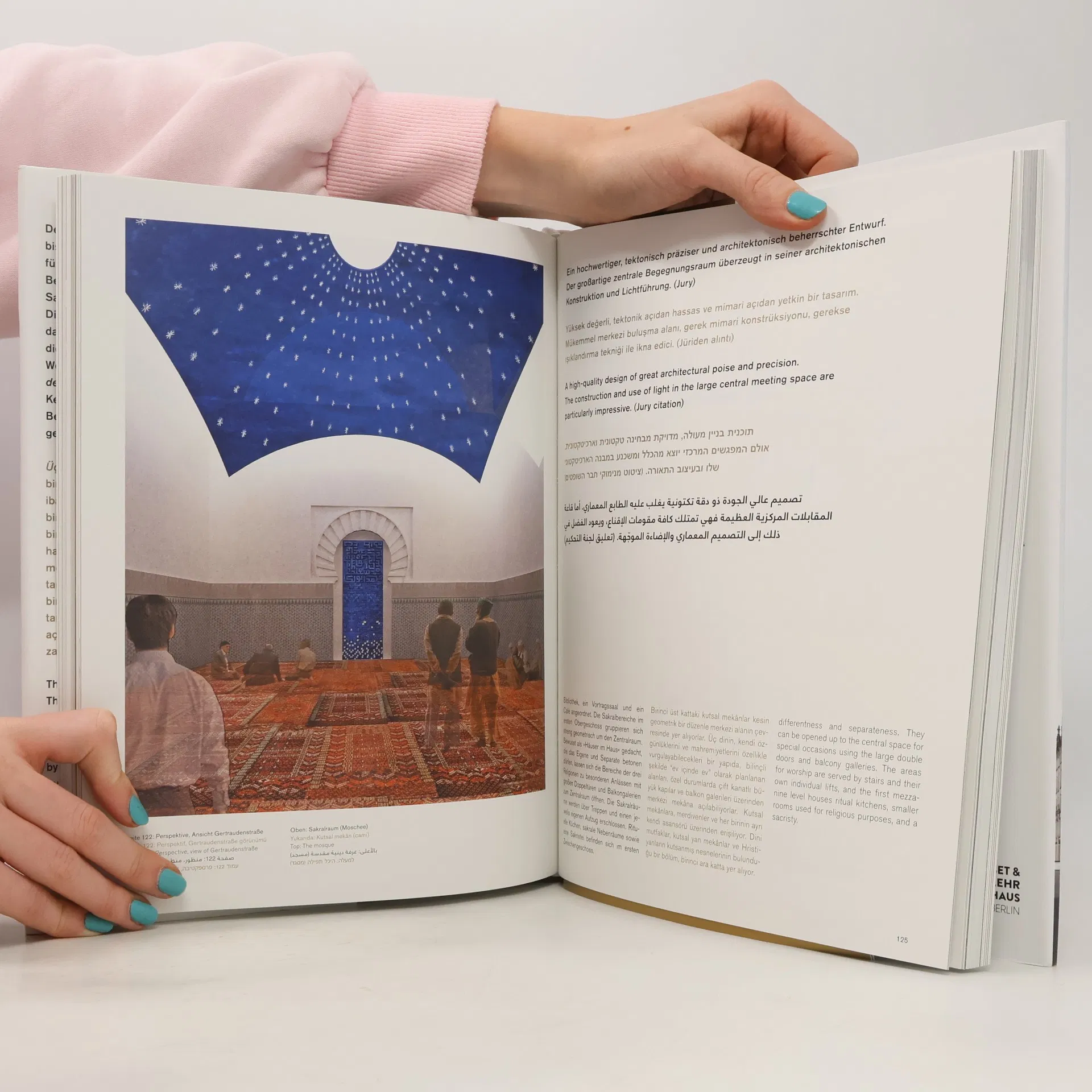
A whole new building type is taking shape in Berlin. Never before in the history of architecture has anyone attempted to build a temple serving three religions at once, as both synagogue, mosque, and Christian church. Situated on Berlin's Petriplatz, the House of Prayer and Learning extends a warm welcome to believers and teachers of all three great monotheist religions, Judaism, Islam, and Christianity. Its aim is to promote religious toleration and understanding among their followers.The new book from DOM publishers, Das Haus der drei The House of Prayer and Learning; Designs for the sacred building of tomorrow, documents the international architectural competition tendered in April 2012 and presents thirty-eight of the competing designs. The results were announced in September 2012; the winners are the Berlin-based practice Kühn Malvezzi. Their much-lauded design, Chairman of the Jury Hans Kollhoff notes in his contribution to the book, "solves a complex problem with admirable assurance." The primary challenge for the architects was to provide informal spaces where the followers of the different faiths can meet, as well as meditative spaces to which to withdraw for worship and prayer. At the same time the building was to engage with its urban context in a way that speaks to non-religious passersby, too. The book provides an overview of the competition in five different languages - German, English, Turkish, Hebrew, and Arabic, reflecting the multi-religious approach - and addresses the general questions arising from the project.Next to documenting the competition, the book discusses issues of architectural typology raised by a building for which there is no typology or historical precedent. The initiators and founders, Gregor Hohberg, Tovia Ben-Chorin, and Kadir ?anci explain the idea behind the project and tell us what motivated them to realize it. The book also sheds light on the historical and archaeological context at Petriplatz, which looks back on a long and chequered history, and on the urban planning context.
Compra de libros
The House of Prayer and Learning, Eldad Stobezki, Ömer Tulgan, Roland Stolte, Gregor Hohberg
- Idioma
- Publicado en
- 2013
- Encuadernación
- (Tapa dura),
- Estado del libro
- Muy Bueno
- Precio
- 19,89 €
Métodos de pago
Nadie lo ha calificado todavía.
- Título
- The House of Prayer and Learning
- Subtítulo
- Designs for the Sacred Building of Tomorrow
- Autores
- Eldad Stobezki, Ömer Tulgan, Roland Stolte, Gregor Hohberg
- Editorial
- Dom Publishers
- Publicado en
- 2013
- Formato
- Tapa dura
- Páginas
- 268
- ISBN10
- 3869222603
- ISBN13
- 9783869222608
- Serie
- Categorías
- Etiquetas
- Temas religiosos, Arte, Arquitectura, Alemania
- Descripción
- A whole new building type is taking shape in Berlin. Never before in the history of architecture has anyone attempted to build a temple serving three religions at once, as both synagogue, mosque, and Christian church. Situated on Berlin's Petriplatz, the House of Prayer and Learning extends a warm welcome to believers and teachers of all three great monotheist religions, Judaism, Islam, and Christianity. Its aim is to promote religious toleration and understanding among their followers.The new book from DOM publishers, Das Haus der drei The House of Prayer and Learning; Designs for the sacred building of tomorrow, documents the international architectural competition tendered in April 2012 and presents thirty-eight of the competing designs. The results were announced in September 2012; the winners are the Berlin-based practice Kühn Malvezzi. Their much-lauded design, Chairman of the Jury Hans Kollhoff notes in his contribution to the book, "solves a complex problem with admirable assurance." The primary challenge for the architects was to provide informal spaces where the followers of the different faiths can meet, as well as meditative spaces to which to withdraw for worship and prayer. At the same time the building was to engage with its urban context in a way that speaks to non-religious passersby, too. The book provides an overview of the competition in five different languages - German, English, Turkish, Hebrew, and Arabic, reflecting the multi-religious approach - and addresses the general questions arising from the project.Next to documenting the competition, the book discusses issues of architectural typology raised by a building for which there is no typology or historical precedent. The initiators and founders, Gregor Hohberg, Tovia Ben-Chorin, and Kadir ?anci explain the idea behind the project and tell us what motivated them to realize it. The book also sheds light on the historical and archaeological context at Petriplatz, which looks back on a long and chequered history, and on the urban planning context.