

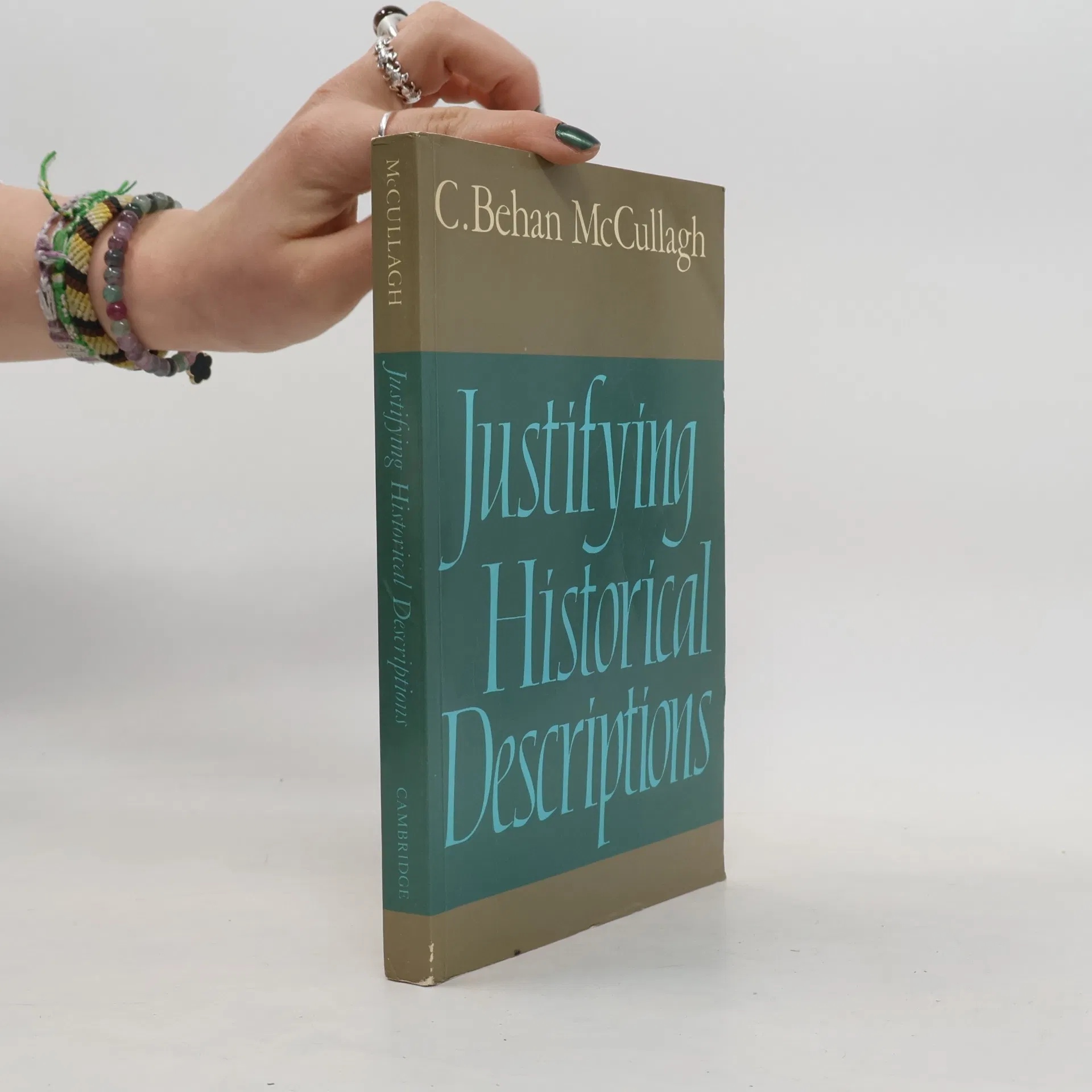

Cambridge Studies in Philosophy: Justifying Historical Descriptions
Autores
Más información sobre el libro
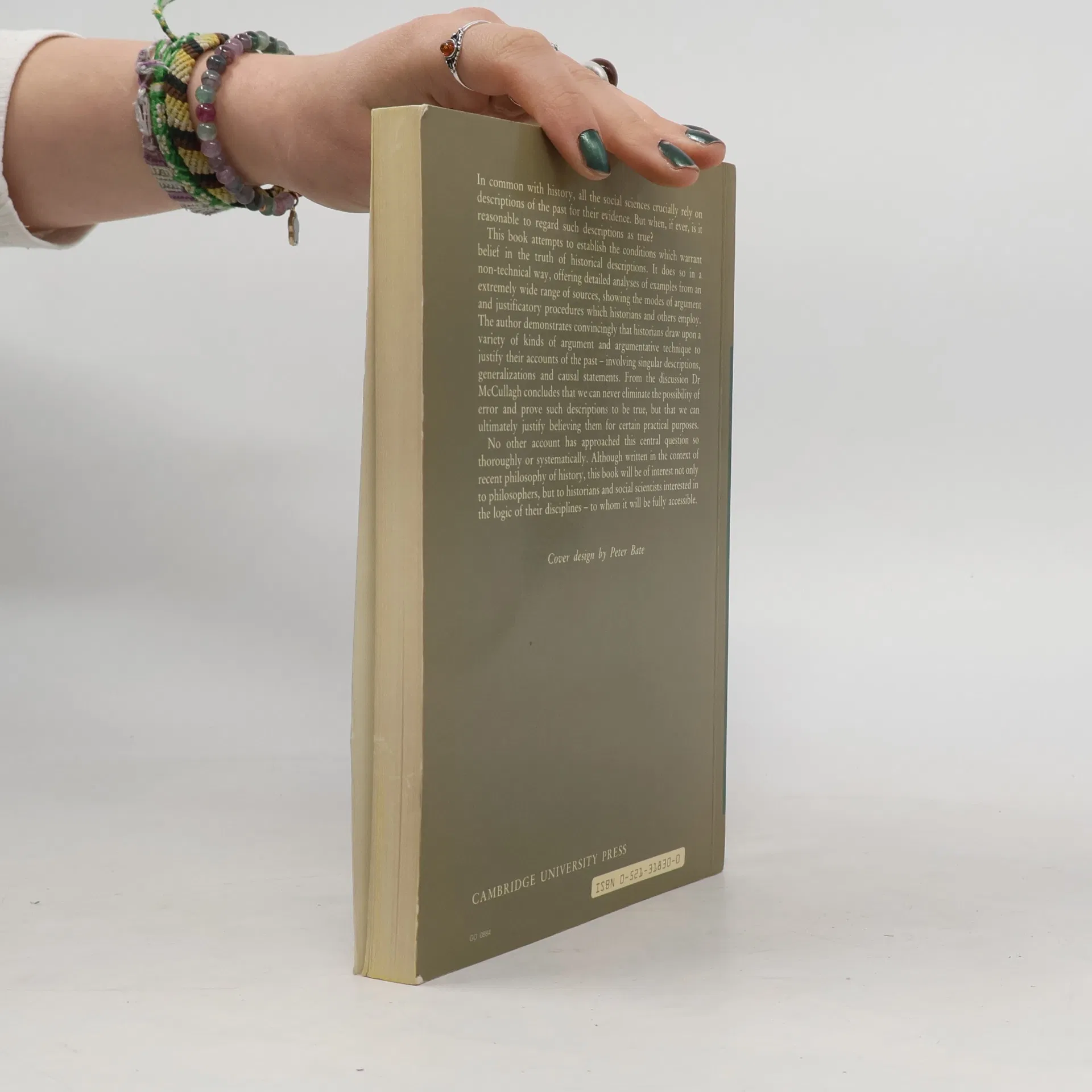
In common with history, all the social sciences crucially rely on descriptions of the past for their evidence. But when, if ever, is it reasonable to regard such descriptions as true? This book attempts to establish the conditions that warrant belief in historical descriptions. It does so in a non-technical way, analysing numerous illustrations of the different kinds of argument about the past employed by historians and others. The author concludes that no historical description can be finally proved, and that we are only ever justified in believing them for certain practical purposes. This central question has not been addressed in such a thorough and systematic manner before. It draws on recent philosophy of history and will interest philosophers. But the wealth of material and accessibility of the presentation will also make it very valuable for historians and other social scientists concerned with the logic of their disciplines.
Compra de libros
Cambridge Studies in Philosophy: Justifying Historical Descriptions, Christopher Behan McCullagh
- Idioma

- Publicado en
- 1984
- Encuadernación
- (Tapa blanda)
Métodos de pago
Nadie lo ha calificado todavía.
- Título
- Cambridge Studies in Philosophy: Justifying Historical Descriptions
- Idioma
- Inglés
- Autores
- Christopher Behan McCullagh
- Editorial
- Cambridge University Press
- Publicado en
- 1984
- Formato
- Tapa blanda
- Páginas
- 264
- ISBN10
- 0521318300
- ISBN13
- 9780521318303
- Serie
- Etiquetas
- Tema histórico, Temática filosófica, Historiografía
- Descripción
- In common with history, all the social sciences crucially rely on descriptions of the past for their evidence. But when, if ever, is it reasonable to regard such descriptions as true? This book attempts to establish the conditions that warrant belief in historical descriptions. It does so in a non-technical way, analysing numerous illustrations of the different kinds of argument about the past employed by historians and others. The author concludes that no historical description can be finally proved, and that we are only ever justified in believing them for certain practical purposes. This central question has not been addressed in such a thorough and systematic manner before. It draws on recent philosophy of history and will interest philosophers. But the wealth of material and accessibility of the presentation will also make it very valuable for historians and other social scientists concerned with the logic of their disciplines.