

Literature as Recreation in the Later Middle Ages
Autores
Más información sobre el libro
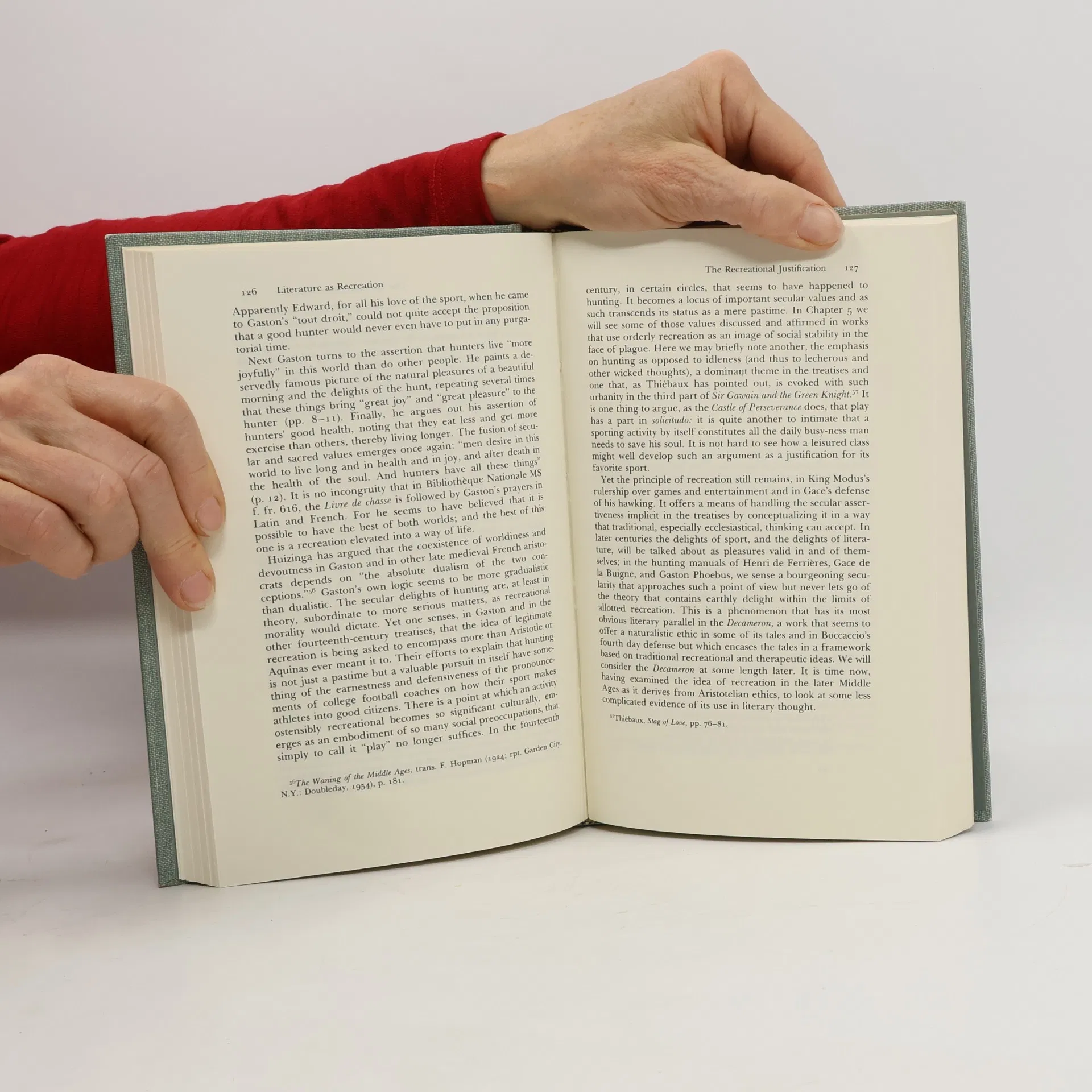
This book studies attitudes toward secular literature during the later Middle Ages. Exploring two related medieval justifications of literary pleasure--one finding hygienic or therapeutic value in entertainment, and another stressing the psychological and ethical rewards of taking time out from work in order to refresh oneself--Glending Olson reveals that, contrary to much recent opinion, many medieval writers and thinkers accepted delight and enjoyment as valid goals of literature without always demanding moral profit as well. Drawing on a vast amount of primary material, including contemporary medical manuscripts and printed texts, Olson discusses theatrics, humanist literary criticism, prologues to romances and fabliaux, and Chaucer's <i>Canterbury Tales</i>. He offers an extended examination of the framing story of Boccaccio's <i>Decameron</i>. Although intended principally as a contribution to the history of medieval literary theory and criticism, <i>Literature as Recreation in the Later Middle Ages</i> makes use of medical, psychological, and sociological insights that lead to a fuller understanding of late medieval secular culture.
Compra de libros
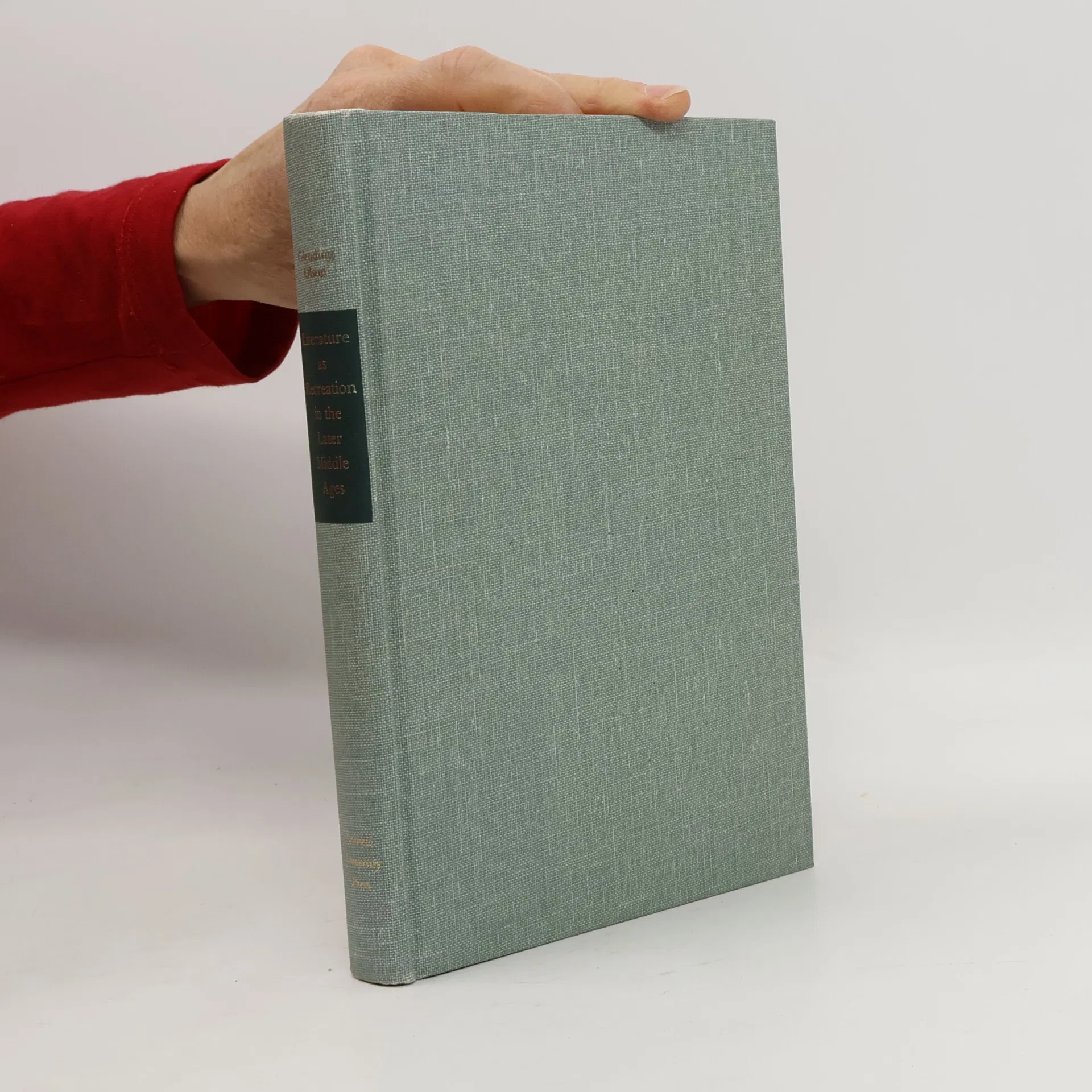
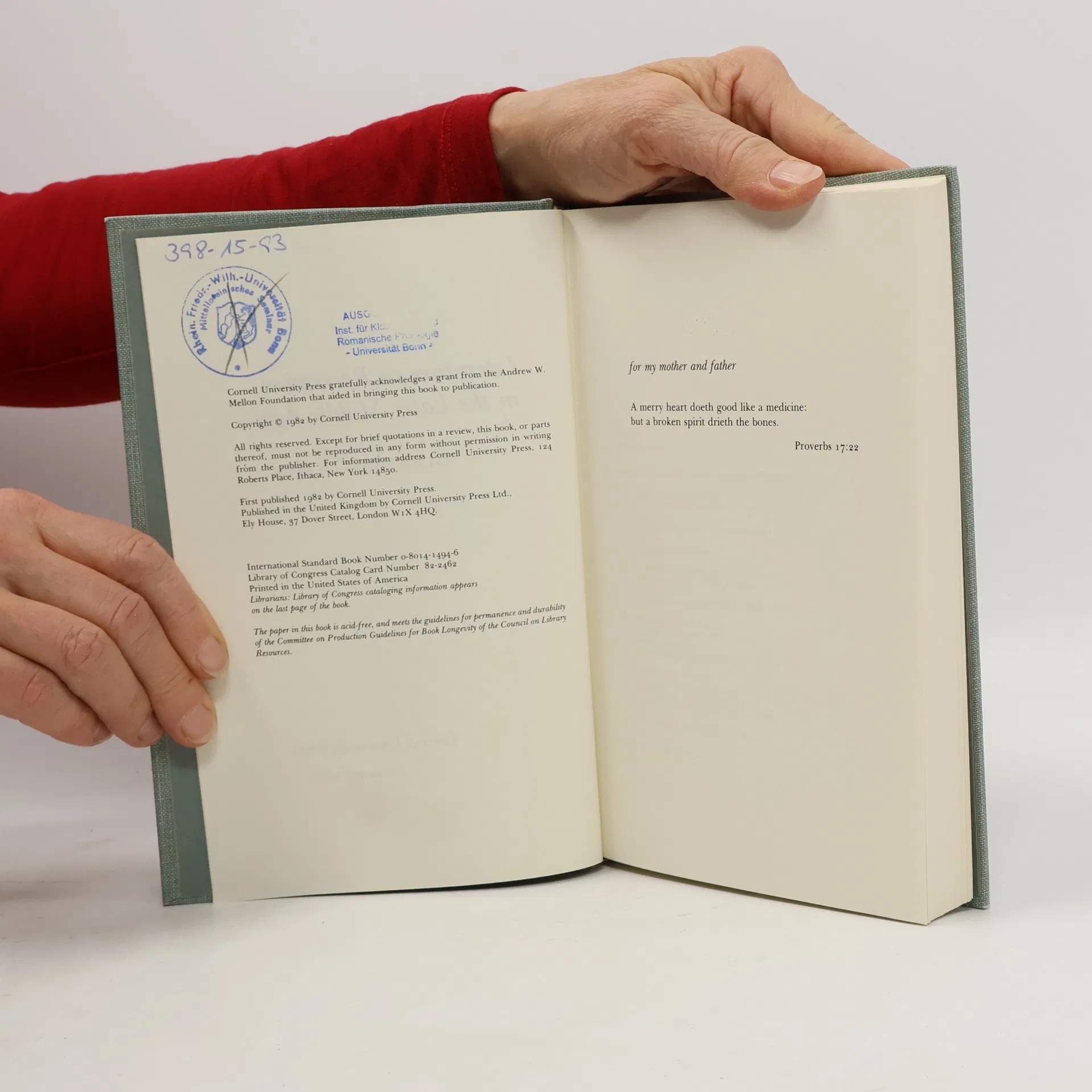
Literature as Recreation in the Later Middle Ages, Glending Olson
- Idioma

- Publicado en
- 1982
- Encuadernación
- (Tapa dura),
- Estado del libro
- Dañado
- Precio
- 13,99 €
Métodos de pago
Nadie lo ha calificado todavía.
- Título
- Literature as Recreation in the Later Middle Ages
- Idioma
- Inglés
- Autores
- Glending Olson
- Editorial
- Cornell University Press
- Publicado en
- 1982
- Formato
- Tapa dura
- Páginas
- 245
- ISBN10
- 0801414946
- ISBN13
- 9780801414947
- Serie
- Etiquetas
- Tema histórico, EE.UU., Europa, Medieval, Crítica literaria
- Descripción
- This book studies attitudes toward secular literature during the later Middle Ages. Exploring two related medieval justifications of literary pleasure--one finding hygienic or therapeutic value in entertainment, and another stressing the psychological and ethical rewards of taking time out from work in order to refresh oneself--Glending Olson reveals that, contrary to much recent opinion, many medieval writers and thinkers accepted delight and enjoyment as valid goals of literature without always demanding moral profit as well. Drawing on a vast amount of primary material, including contemporary medical manuscripts and printed texts, Olson discusses theatrics, humanist literary criticism, prologues to romances and fabliaux, and Chaucer's <i>Canterbury Tales</i>. He offers an extended examination of the framing story of Boccaccio's <i>Decameron</i>. Although intended principally as a contribution to the history of medieval literary theory and criticism, <i>Literature as Recreation in the Later Middle Ages</i> makes use of medical, psychological, and sociological insights that lead to a fuller understanding of late medieval secular culture.