

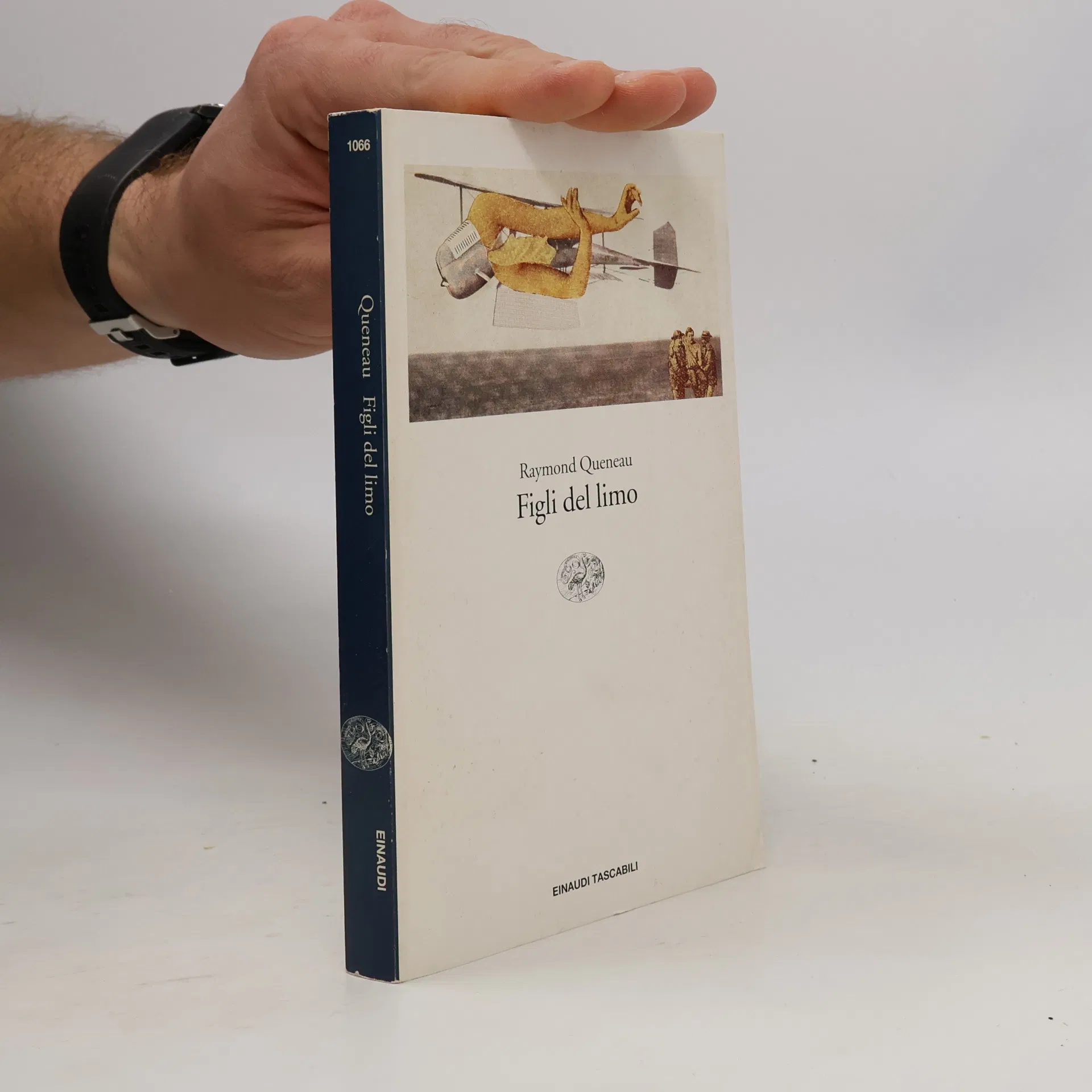

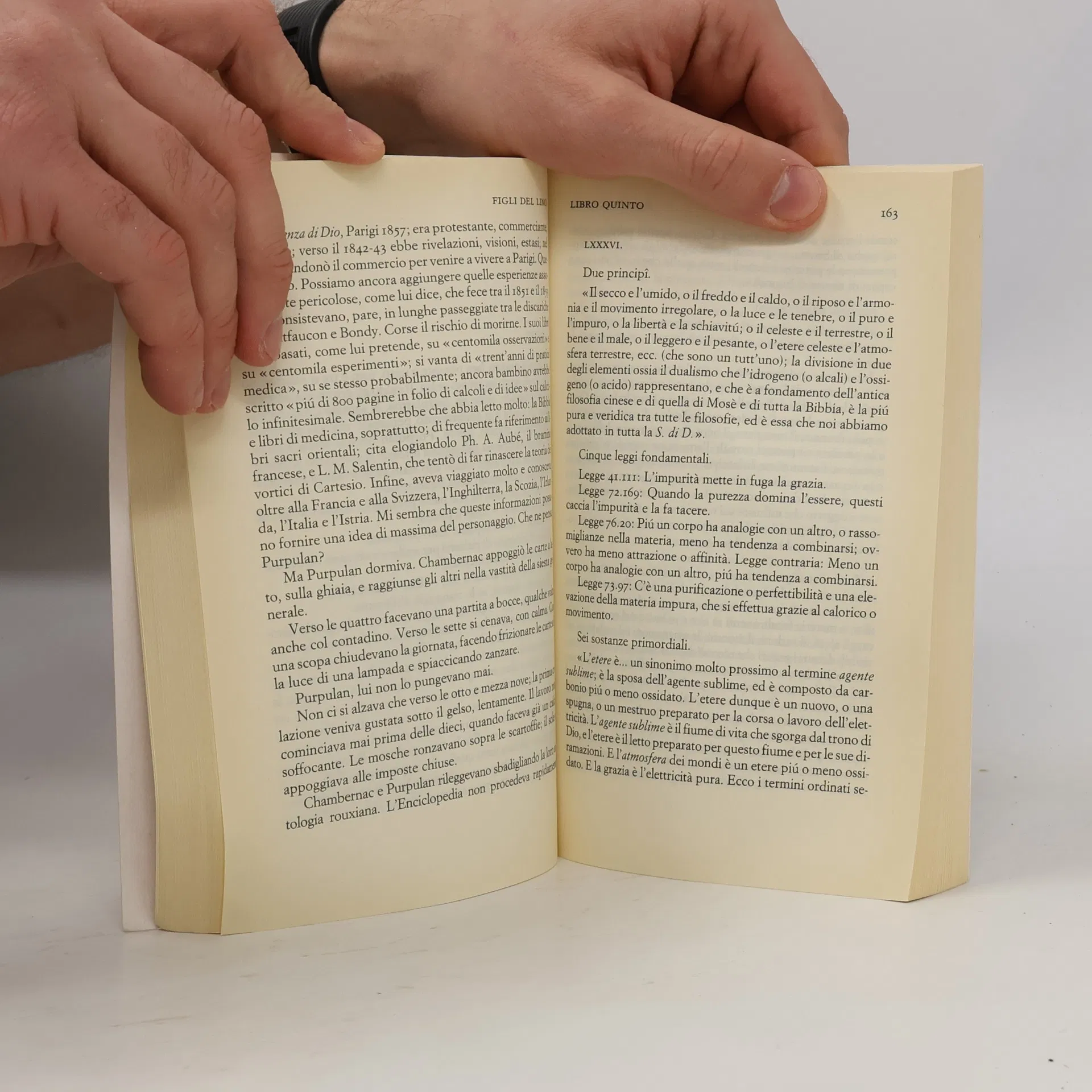
Einaudi Tascabili - 1066: Figli del limo
Más información sobre el libro
Long considered a writer's writer, Raymond Queneau (1903-1976) has gradually come to be recognized as one of the major voices in twentieth-century literature. Queneau's fifth novel, Les Enfants du limon, was published in 1938. It is an extraordinary novel, stretching the boundaries of the genre, and has been called the masterpiece of Queneau's pre-war period. Queneau says of the story: "The plot involves three groups of characters: one formed by the grocer Gramigni, devoted to Saint Anthony of Padua, the maid Clemence, who plays the piano, young Bossu, of bitter destiny, and the humble folk of La Ciotat, where the story begins; the second, by the various members of the Claye-Chambernac-Hachamoth family, wealthy industrialists prey to various eccentricities...; the third, by M. Chambernac and his secretary Purpulan, a 'poor devil.'" All of this is spun against a subtly-drawn allegorical background. Realism and social criticism intermingle with fantasy, while the boundary between lunacy and sanity is increasingly called into question by the irrational activities of the children of Claye.
Compra de libros
Einaudi Tascabili - 1066: Figli del limo, Raymond Queneau, Bruno Pedretti
- Idioma

- Publicado en
- 2003
- Encuadernación
- (Tapa blanda),
- Estado del libro
- Bueno
- Precio
- 9,39 €
Métodos de pago
Nadie lo ha calificado todavía.
- Título
- Einaudi Tascabili - 1066: Figli del limo
- Idioma
- Italiano
- Autores
- Raymond Queneau, Bruno Pedretti
- Editorial
- Einaudi
- Publicado en
- 2003
- Formato
- Tapa blanda
- Páginas
- 370
- ISBN10
- 8806165194
- ISBN13
- 9788806165192
- Serie
- Categorías
- Etiquetas
- Francia, Literatura francesa
- Descripción
- Long considered a writer's writer, Raymond Queneau (1903-1976) has gradually come to be recognized as one of the major voices in twentieth-century literature. Queneau's fifth novel, Les Enfants du limon, was published in 1938. It is an extraordinary novel, stretching the boundaries of the genre, and has been called the masterpiece of Queneau's pre-war period. Queneau says of the story: "The plot involves three groups of characters: one formed by the grocer Gramigni, devoted to Saint Anthony of Padua, the maid Clemence, who plays the piano, young Bossu, of bitter destiny, and the humble folk of La Ciotat, where the story begins; the second, by the various members of the Claye-Chambernac-Hachamoth family, wealthy industrialists prey to various eccentricities...; the third, by M. Chambernac and his secretary Purpulan, a 'poor devil.'" All of this is spun against a subtly-drawn allegorical background. Realism and social criticism intermingle with fantasy, while the boundary between lunacy and sanity is increasingly called into question by the irrational activities of the children of Claye.