

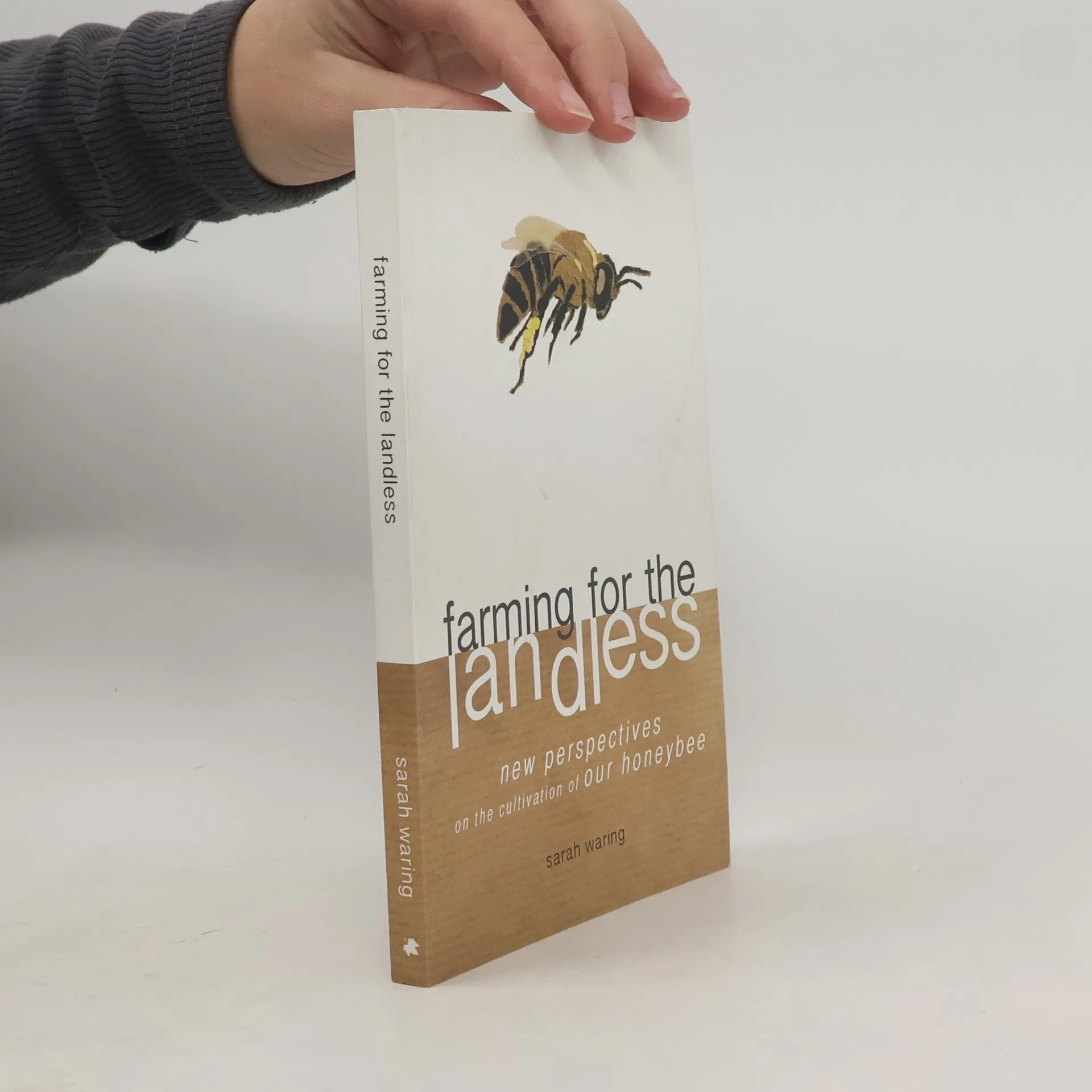
Farming for the Landless
New Perspectives on the Cultivation of Our Honeybee
Autores
Más información sobre el libro
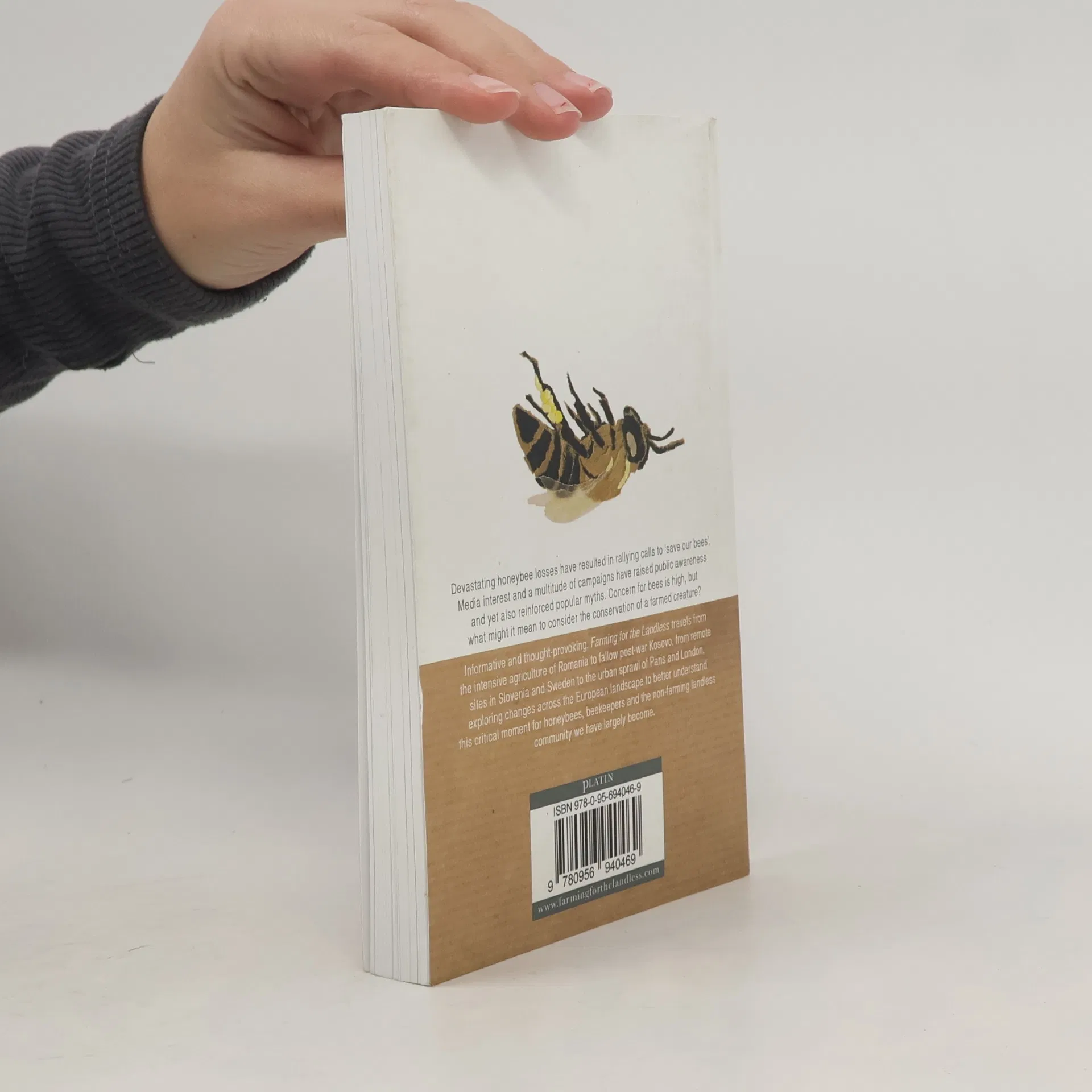
Devastating honeybee losses have resulted in rallying calls to ‘save our bees’. Media interest and a multitude of campaigns have raised public awareness and yet also reinforced popular myths. Concern for bees is high, but what might it mean to consider the conservation of a farmed creature? Informative and thought-provoking, 'Farming for the Landless' travels from the intensive agriculture of Romania to fallow post-war Kosovo, from remote sites in Slovenia and Sweden to the urban sprawl of Paris and London, exploring changes across the European landscape to better understand this critical moment for honeybees, beekeepers and the non-farming landless community we have largely become.
Compra de libros
Farming for the Landless, Sarah Waring
- Idioma

- Publicado en
- 2015
- Encuadernación
- (Tapa blanda),
- Estado del libro
- Muy Bueno
- Precio
- 6,49 €
Métodos de pago
Nadie lo ha calificado todavía.
- Título
- Farming for the Landless
- Subtítulo
- New Perspectives on the Cultivation of Our Honeybee
- Idioma
- Inglés
- Autores
- Sarah Waring
- Editorial
- Platin Press
- Publicado en
- 2015
- Formato
- Tapa blanda
- Páginas
- 196
- ISBN10
- 0956940463
- ISBN13
- 9780956940469
- Serie
- Categorías
- Etiquetas
- Naturaleza, Viajes, Tecnología, Abejas, apicultura
- Descripción
- Devastating honeybee losses have resulted in rallying calls to ‘save our bees’. Media interest and a multitude of campaigns have raised public awareness and yet also reinforced popular myths. Concern for bees is high, but what might it mean to consider the conservation of a farmed creature? Informative and thought-provoking, 'Farming for the Landless' travels from the intensive agriculture of Romania to fallow post-war Kosovo, from remote sites in Slovenia and Sweden to the urban sprawl of Paris and London, exploring changes across the European landscape to better understand this critical moment for honeybees, beekeepers and the non-farming landless community we have largely become.