



Más información sobre el libro
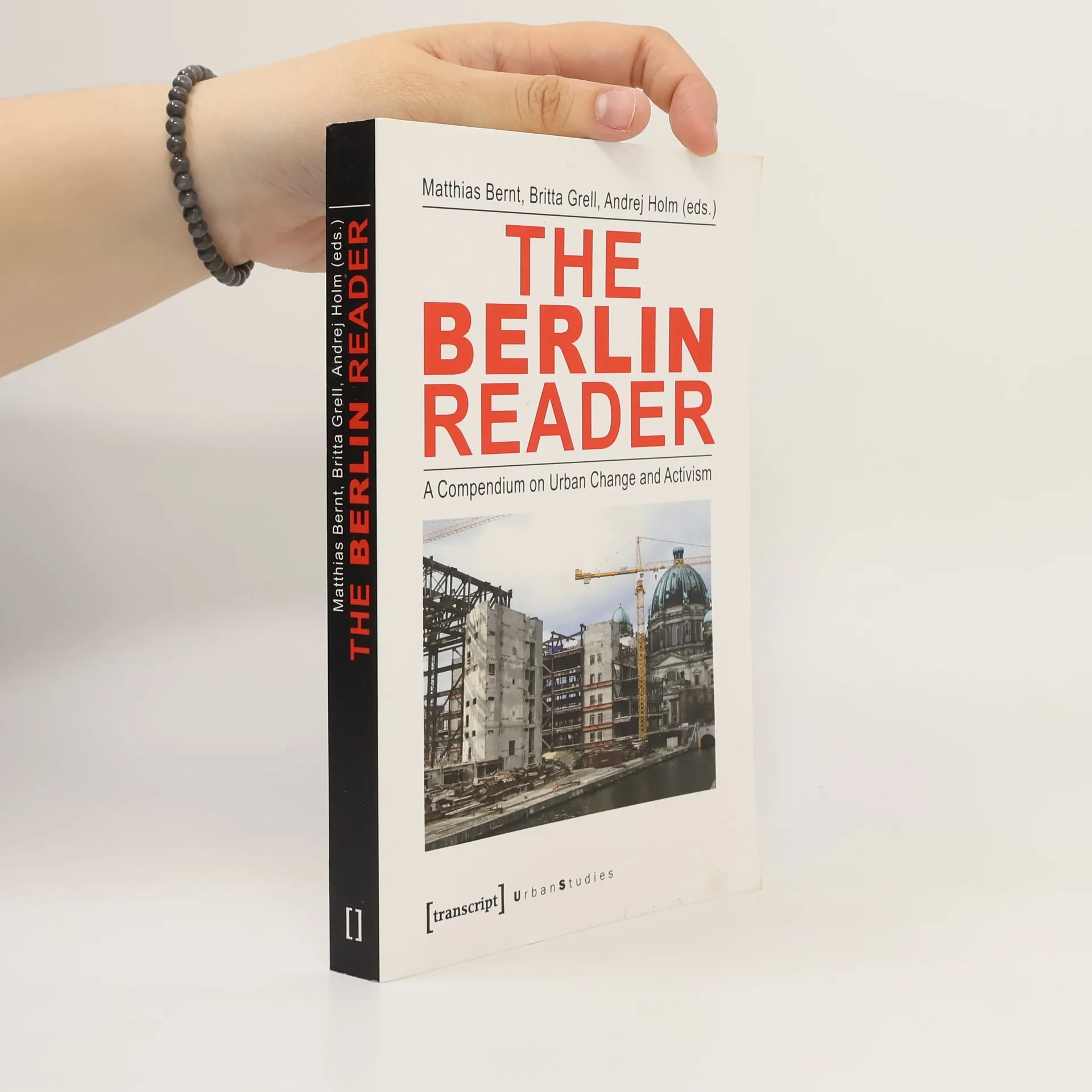
By drawing together widely dispersed yet central writings, the Berlin Reader is an essential resource for everyone interested in urban development in one of the most interesting and important metropolises in Europe. It provides scholars as well as students, journalists and visitors with an overview of the most central discussions on the tremendous changes Berlin experienced since the fall of the wall. It covers a wide range of issues, including inner city renewal, housing and the local economy, gentrification and other urban conflicts. The book breaks ground in two dimensions: first, by offering also non-German speakers an insight into the very controversial debates after reunification, and, second, by highlighting the ambivalent consequences of Berlin's urban transformation in the past decades.
Compra de libros
The Berlin reader, Matthias Bernt
- Idioma

- Publicado en
- 2013
- Encuadernación
- (Tapa blanda)
Métodos de pago
Nos falta tu reseña aquí
- Título
- The Berlin reader
- Idioma
- Inglés
- Autores
- Matthias Bernt
- Editorial
- transcript
- Publicado en
- 2013
- Formato
- Tapa blanda
- Páginas
- 277
- ISBN10
- 3837624781
- ISBN13
- 9783837624786
- Serie
- Categorías
- Etiquetas
- Libros de texto, Otros libros de texto
- Calificación
- 4,25 de 5
- Descripción
- By drawing together widely dispersed yet central writings, the Berlin Reader is an essential resource for everyone interested in urban development in one of the most interesting and important metropolises in Europe. It provides scholars as well as students, journalists and visitors with an overview of the most central discussions on the tremendous changes Berlin experienced since the fall of the wall. It covers a wide range of issues, including inner city renewal, housing and the local economy, gentrification and other urban conflicts. The book breaks ground in two dimensions: first, by offering also non-German speakers an insight into the very controversial debates after reunification, and, second, by highlighting the ambivalent consequences of Berlin's urban transformation in the past decades.