

Más información sobre el libro
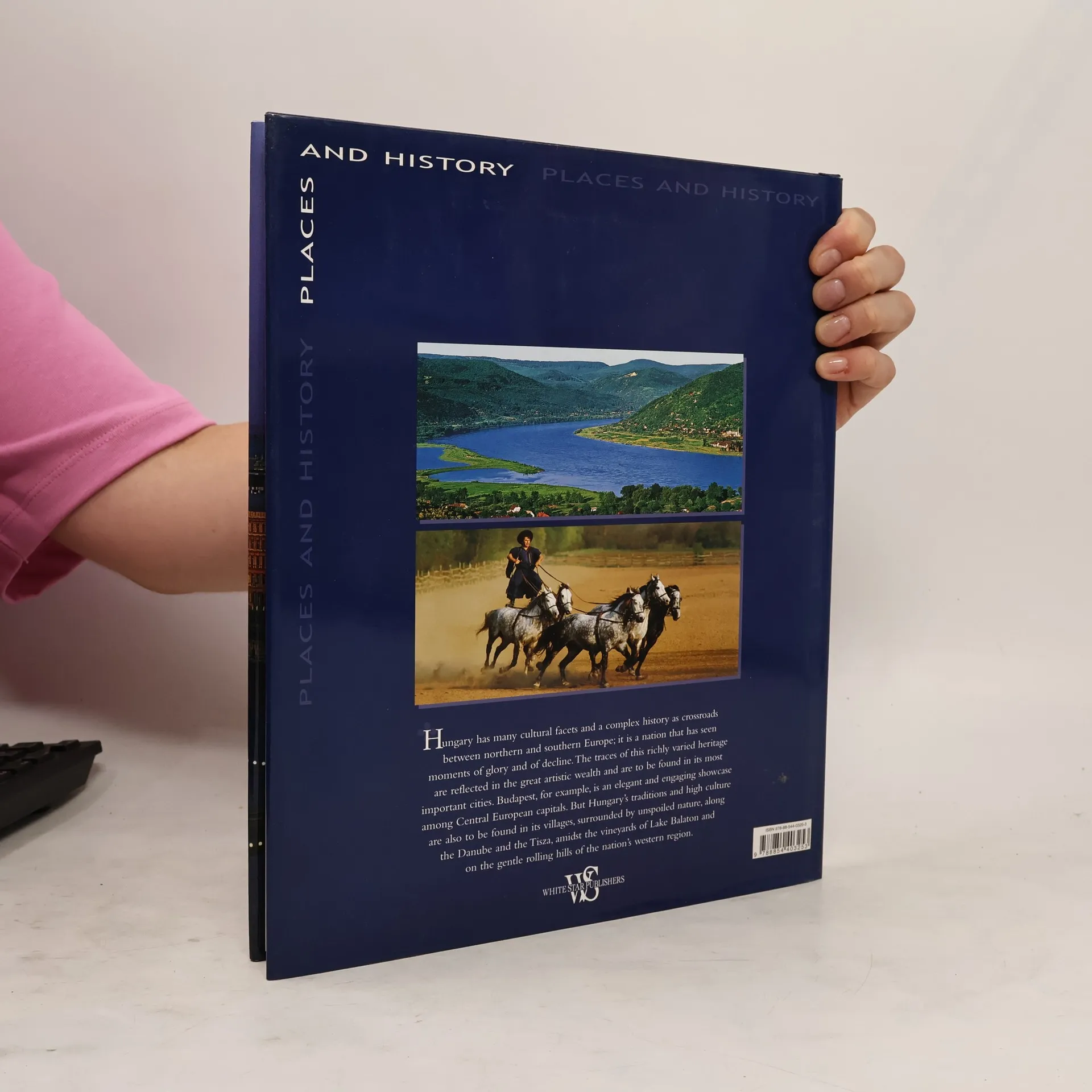
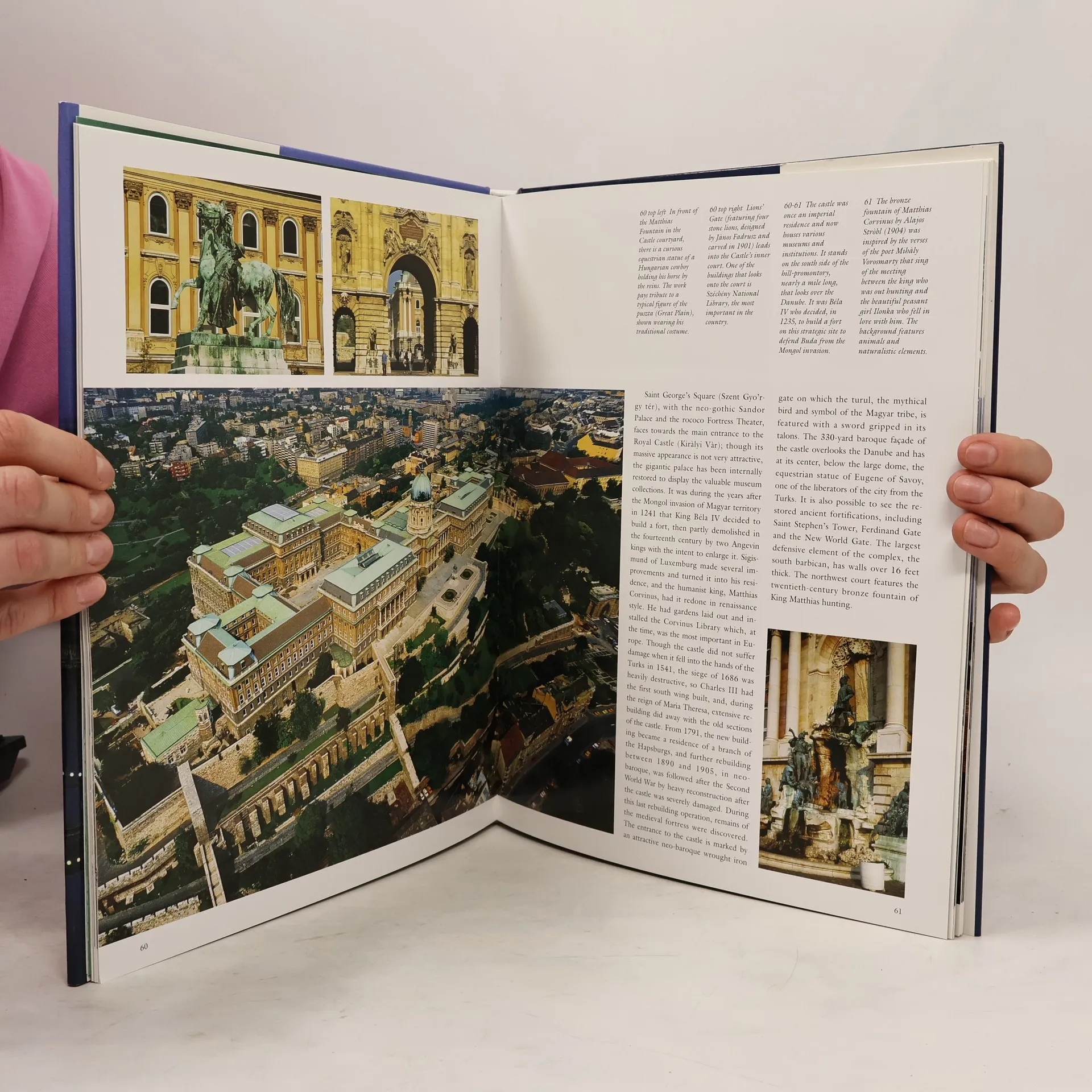
More than a thousand years have passed since the new, warrior people of the Hungarians settled in the Danube Valley under the leadership of the legendary chieftain Árpád, having arrived from Asia. Their history has been shaped by grand figures such as the state founder King Stephen I and Matthias Corvinus, during whose reign the Italian Renaissance found a home in Hungary at its peak. The Turkish rule from the mid-16th century to the end of the 17th century was followed by Habsburg oppression, which lasted until 1918, with the dissolution of the Austro-Hungarian Monarchy. Hungary paid a heavy price for its freedom. After World War II, it fell under Soviet influence, from which it was liberated only in 1990, becoming a democratic republic. The signs of a past that now lives in peaceful harmony with the present can be found in one of Europe’s most enchanting cities, Budapest, rich in historical monuments and artworks dating back to Roman times, as well as in other ancient cities like Esztergom, Győr, Eger, and Sopron, or in the soaring Benedictine abbey at Pannonhalma. The charm of this country, rich in folk traditions, is complemented by wonderful landscapes: the picturesque Danube Bend, the plains dotted with grazing sheep, and the silver-glimmering, mirror-smooth waters of Lake Balaton, the "Hungarian Sea."
Compra de libros
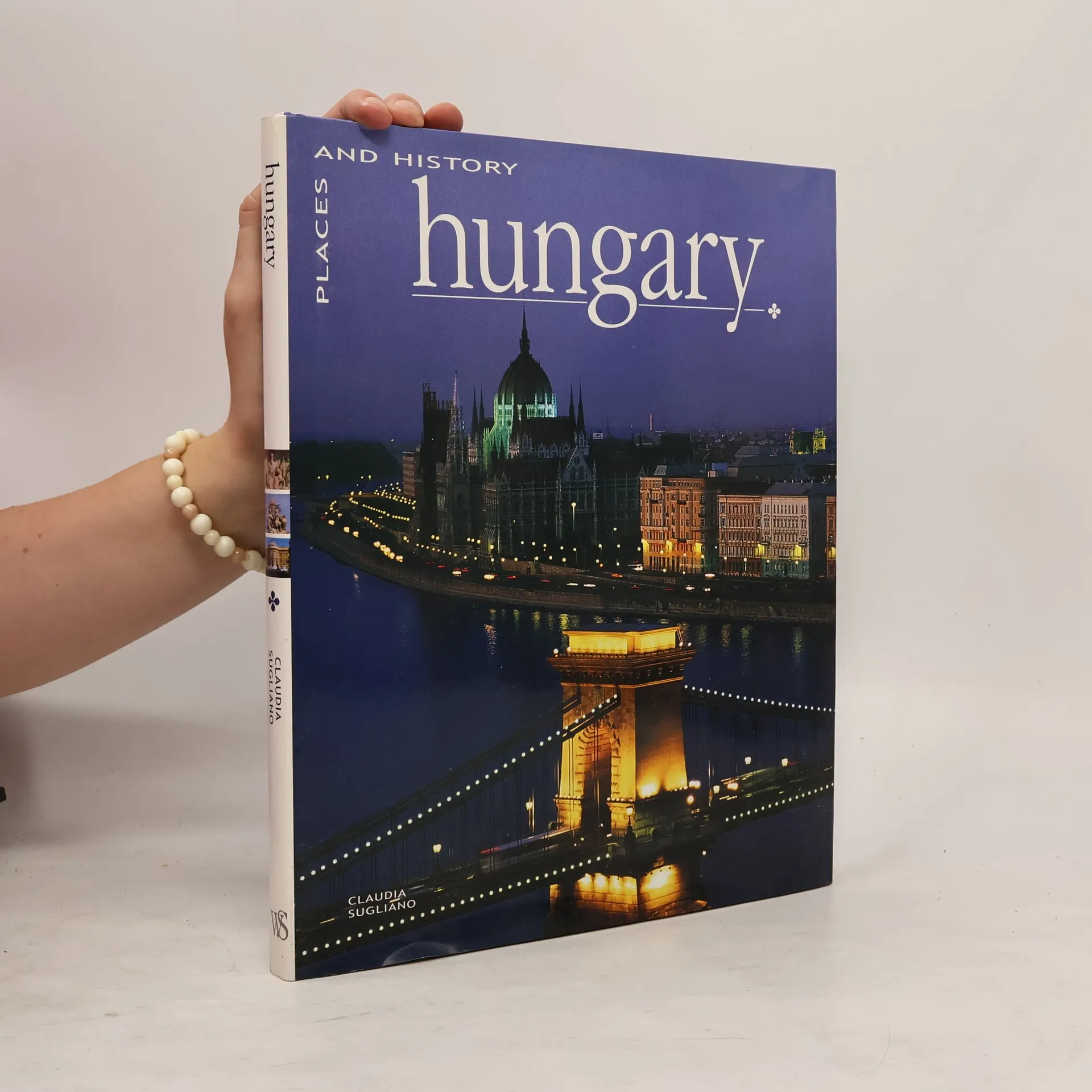
Hungary: places and history, Claudia Sugliano
- Idioma

- Publicado en
- 2006
- Encuadernación
- (Tapa dura)
Métodos de pago
Nadie lo ha calificado todavía.
- Título
- Hungary: places and history
- Idioma
- Inglés
- Autores
- Claudia Sugliano
- Publicado en
- 2006
- Formato
- Tapa dura
- Páginas
- 136
- ISBN10
- 8854403253
- ISBN13
- 9788854403253
- Serie
- Etiquetas
- Tema histórico, Viajes, Otra historia
- Descripción
- More than a thousand years have passed since the new, warrior people of the Hungarians settled in the Danube Valley under the leadership of the legendary chieftain Árpád, having arrived from Asia. Their history has been shaped by grand figures such as the state founder King Stephen I and Matthias Corvinus, during whose reign the Italian Renaissance found a home in Hungary at its peak. The Turkish rule from the mid-16th century to the end of the 17th century was followed by Habsburg oppression, which lasted until 1918, with the dissolution of the Austro-Hungarian Monarchy. Hungary paid a heavy price for its freedom. After World War II, it fell under Soviet influence, from which it was liberated only in 1990, becoming a democratic republic. The signs of a past that now lives in peaceful harmony with the present can be found in one of Europe’s most enchanting cities, Budapest, rich in historical monuments and artworks dating back to Roman times, as well as in other ancient cities like Esztergom, Győr, Eger, and Sopron, or in the soaring Benedictine abbey at Pannonhalma. The charm of this country, rich in folk traditions, is complemented by wonderful landscapes: the picturesque Danube Bend, the plains dotted with grazing sheep, and the silver-glimmering, mirror-smooth waters of Lake Balaton, the "Hungarian Sea."