

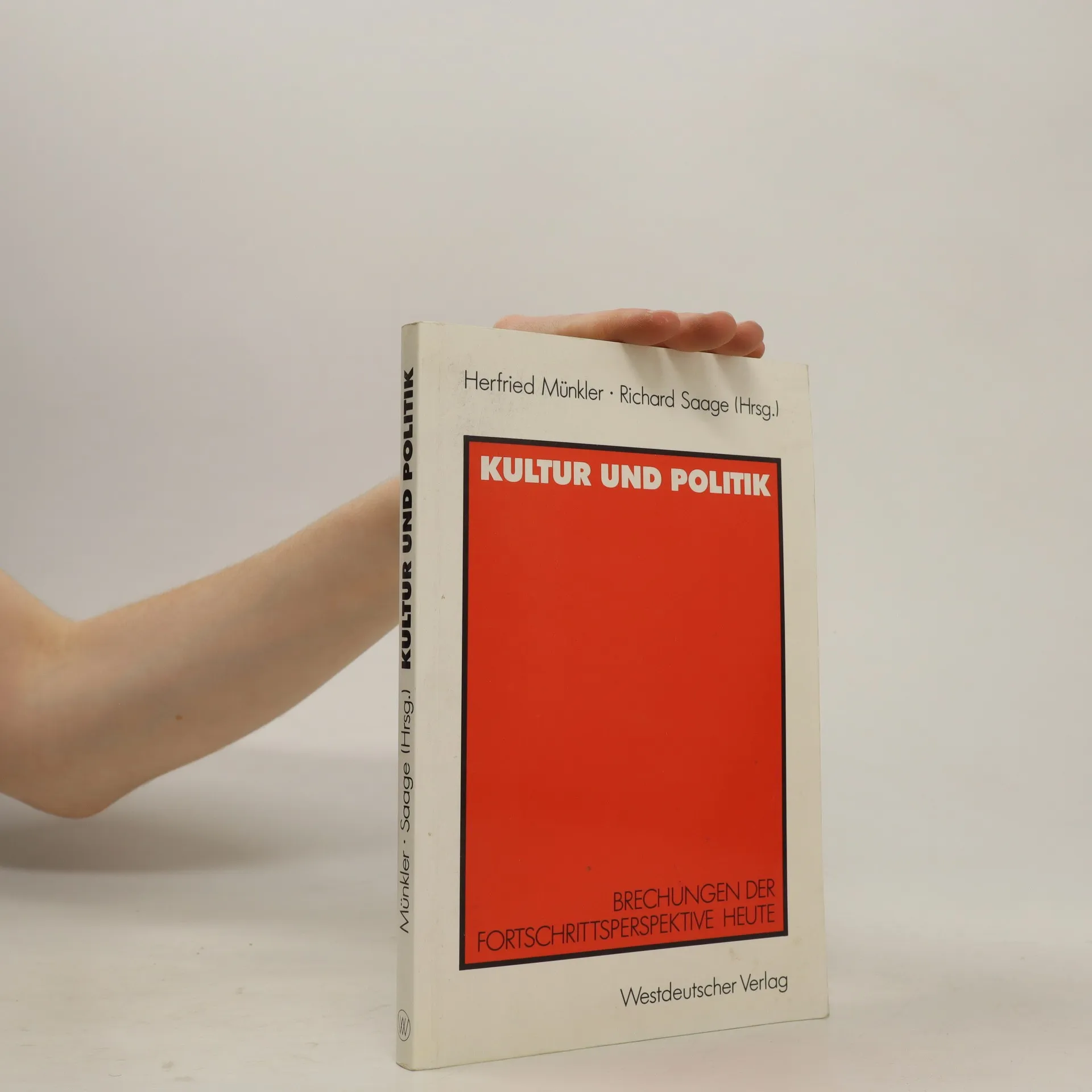
Kultur und Politik
Brechungen der Fortschrittsperspektive heute Für Iring Fetscher
Autores
Parámetros
Más información sobre el libro
The book explores various currents in literature and their contemporary perspectives, examining literature as a means of coping with existential losses, with specific references to Peter Weiss and Christa Wolf. It discusses political satire in Germany and analyzes Roman Catholicism as a form of power through the lens of Carl Schmitt and Thomas Bernhard. The aesthetic dimensions of Critical Theory are scrutinized, focusing on the loss of revolutionary subjects and the political implications of modern and postmodern aesthetics. The reconstruction of Adorno's "Aesthetic Theory" is approached critically, defending it against revisionist readings of his philosophy of history, while also reflecting on Adorno's concept of progress in music. The role of writers in shaping political will within democracy is examined, questioning their responsibility and the preservation of cultural discourse. The section on conservative, neoconservative, and postmodern diagnoses addresses the ownership of the masses, the implications of neo-conservatism, and critiques of postmodern enlightenment. It discusses the modern industrial society in light of Ulrich Beck's "Risk Society." The book concludes with three speeches honoring Iring Fetscher, highlighting contributions from various authors.
Compra de libros
Kultur und Politik, Herfried Münkler
- Idioma

- Publicado en
- 1990
- Encuadernación
- (Tapa blanda)
Métodos de pago
Nadie lo ha calificado todavía.
- Título
- Kultur und Politik
- Subtítulo
- Brechungen der Fortschrittsperspektive heute Für Iring Fetscher
- Idioma
- Alemán
- Autores
- Herfried Münkler
- Editorial
- Westdeutscher Verlag
- Publicado en
- 1990
- Formato
- Tapa blanda
- ISBN10
- 3531120786
- ISBN13
- 9783531120782
- Serie
- Categorías
- Etiquetas
- Libros de texto universitarios
- Descripción
- The book explores various currents in literature and their contemporary perspectives, examining literature as a means of coping with existential losses, with specific references to Peter Weiss and Christa Wolf. It discusses political satire in Germany and analyzes Roman Catholicism as a form of power through the lens of Carl Schmitt and Thomas Bernhard. The aesthetic dimensions of Critical Theory are scrutinized, focusing on the loss of revolutionary subjects and the political implications of modern and postmodern aesthetics. The reconstruction of Adorno's "Aesthetic Theory" is approached critically, defending it against revisionist readings of his philosophy of history, while also reflecting on Adorno's concept of progress in music. The role of writers in shaping political will within democracy is examined, questioning their responsibility and the preservation of cultural discourse. The section on conservative, neoconservative, and postmodern diagnoses addresses the ownership of the masses, the implications of neo-conservatism, and critiques of postmodern enlightenment. It discusses the modern industrial society in light of Ulrich Beck's "Risk Society." The book concludes with three speeches honoring Iring Fetscher, highlighting contributions from various authors.