

Más información sobre el libro
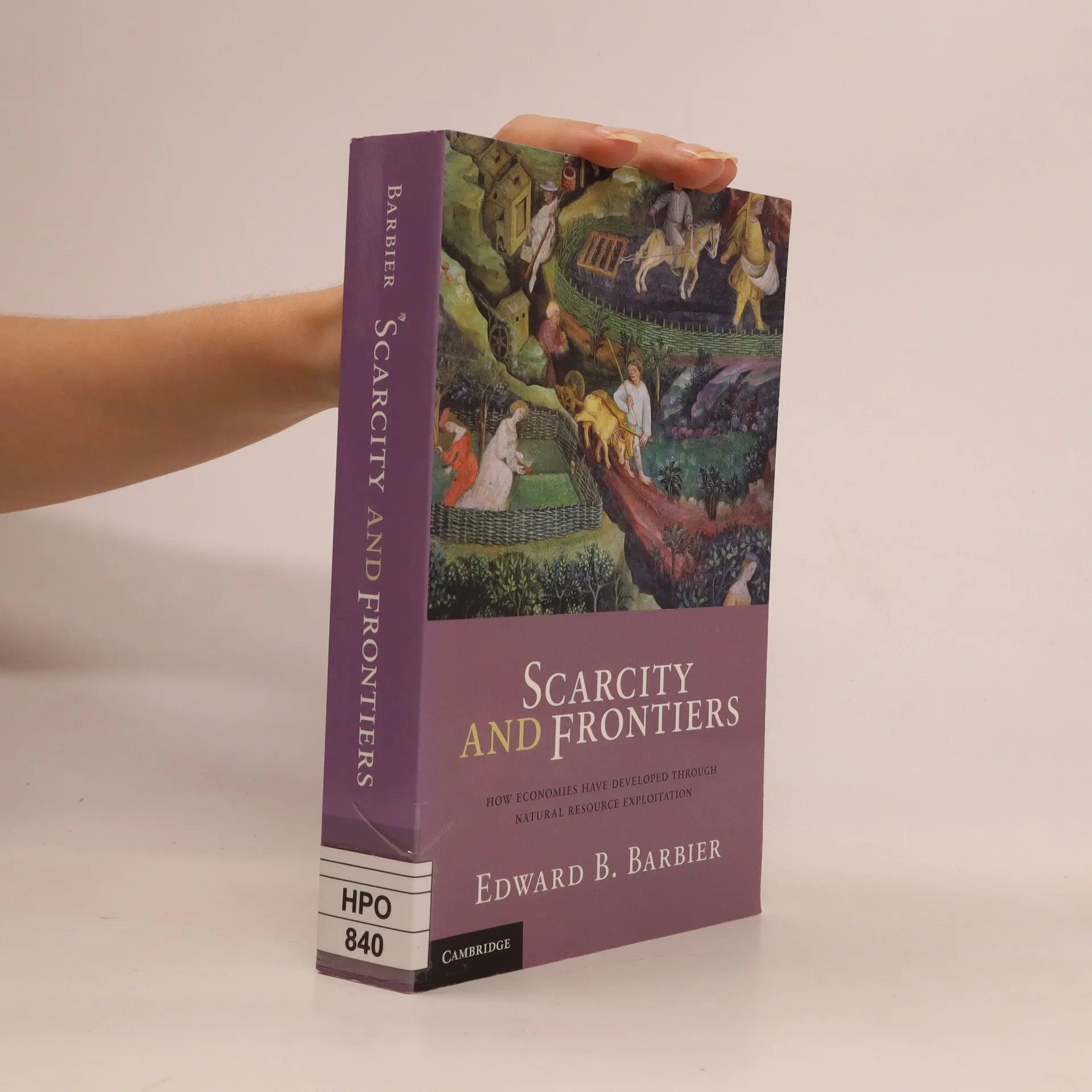
Throughout much of history, a critical driving force behind global economic development has been the response of society to the scarcity of key natural resources. Increasing scarcity raises the cost of exploiting existing natural resources and creates incentives in all economies to innovate and conserve more of these resources. However, economies have also responded to increasing scarcity by obtaining and developing more of these resources. Since the agricultural transition over 12,000 years ago, this exploitation of new 'frontiers' has often proved to be a pivotal human response to natural resource scarcity. This book provides a fascinating account of the contribution that natural resource exploitation has made to economic development in key eras of world history. This not only fills an important gap in the literature on economic history but also shows how we can draw lessons from these past epochs for attaining sustainable economic development in the world today.
Compra de libros
Scarcity and frontiers, Edward B. Barbier
- Idioma

- Publicado en
- 2011
- Encuadernación
- (Tapa blanda)
Métodos de pago
Nos falta tu reseña aquí
- Título
- Scarcity and frontiers
- Idioma
- Inglés
- Autores
- Edward B. Barbier
- Editorial
- Cambridge University Press
- Publicado en
- 2011
- Formato
- Tapa blanda
- ISBN10
- 0521701651
- ISBN13
- 9780521701655
- Serie
- Etiquetas
- Comercio, Ciencias naturales, Sostenibilidad, Ciencias ambientales
- Calificación
- 4,75 de 5
- Descripción
- Throughout much of history, a critical driving force behind global economic development has been the response of society to the scarcity of key natural resources. Increasing scarcity raises the cost of exploiting existing natural resources and creates incentives in all economies to innovate and conserve more of these resources. However, economies have also responded to increasing scarcity by obtaining and developing more of these resources. Since the agricultural transition over 12,000 years ago, this exploitation of new 'frontiers' has often proved to be a pivotal human response to natural resource scarcity. This book provides a fascinating account of the contribution that natural resource exploitation has made to economic development in key eras of world history. This not only fills an important gap in the literature on economic history but also shows how we can draw lessons from these past epochs for attaining sustainable economic development in the world today.