

¡Agotado, pero muy deseado!


¿Lo tienes en tu biblioteca?Gana entre 0,85 € y 1,81 € vendiendo este libro.
Vende librosMás información sobre el libro
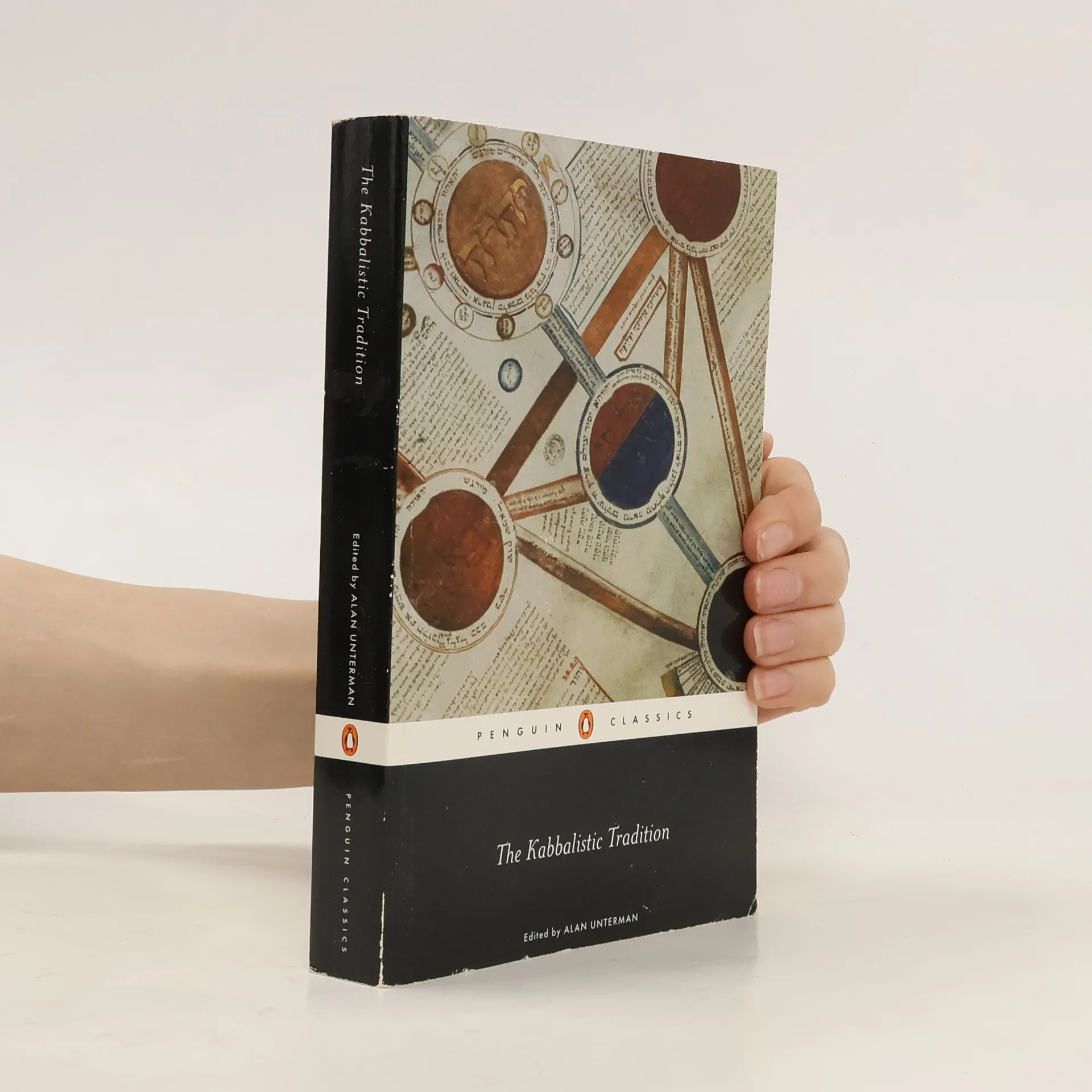
A comprehensive survey of the Jewish mystical tradition An indispensable guide to thousands of years of spiritual inquiry, The Kabbalistic Tradition features writings from a variety of literary forms-from the earliest biblical sources through twentieth-century studies-as well as practical information and practices for the modern reader. These selections concentrate on the three main areas of Kabbalistic creativity-the literature of Zohar, the Lurianic corpus, and the Chasidic mystical tradition. Alan Unterman's enlightening introduction examines the unique characteristics of the Kabbalah and places this volume in its proper historical and philosophical context.
Compra de libros
The Kabbalistic Tradition, Alan Unterman
- Idioma

- Publicado en
- 2009
- Encuadernación
- (Tapa blanda)
Te avisaremos por correo electrónico en cuanto lo localicemos.
Métodos de pago
3,9
Muy bueno
52 Valoraciones
Nos falta tu reseña aquí
- Título
- The Kabbalistic Tradition
- Idioma
- Inglés
- Autores
- Alan Unterman
- Editorial
- National Geographic
- Publicado en
- 2009
- Formato
- Tapa blanda
- Páginas
- 382
- ISBN10
- 0140437991
- ISBN13
- 9780140437997
- Serie
- Etiquetas
- Temas religiosos, Temática filosófica, Judíos, Judaica, Literatura Judía, Misticismo
- Calificación
- 3,85 de 5
- Descripción
- A comprehensive survey of the Jewish mystical tradition An indispensable guide to thousands of years of spiritual inquiry, The Kabbalistic Tradition features writings from a variety of literary forms-from the earliest biblical sources through twentieth-century studies-as well as practical information and practices for the modern reader. These selections concentrate on the three main areas of Kabbalistic creativity-the literature of Zohar, the Lurianic corpus, and the Chasidic mystical tradition. Alan Unterman's enlightening introduction examines the unique characteristics of the Kabbalah and places this volume in its proper historical and philosophical context.