



Más información sobre el libro
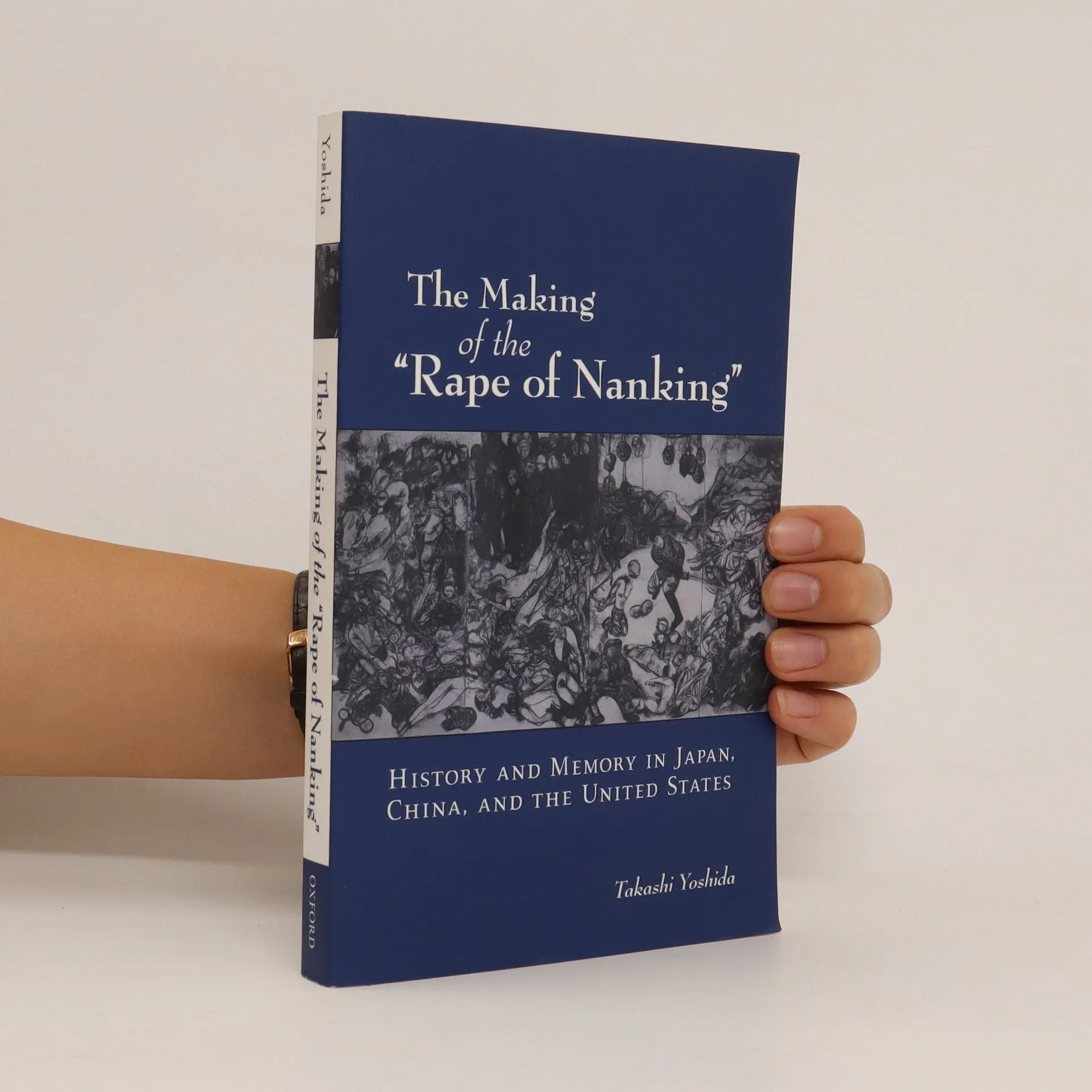
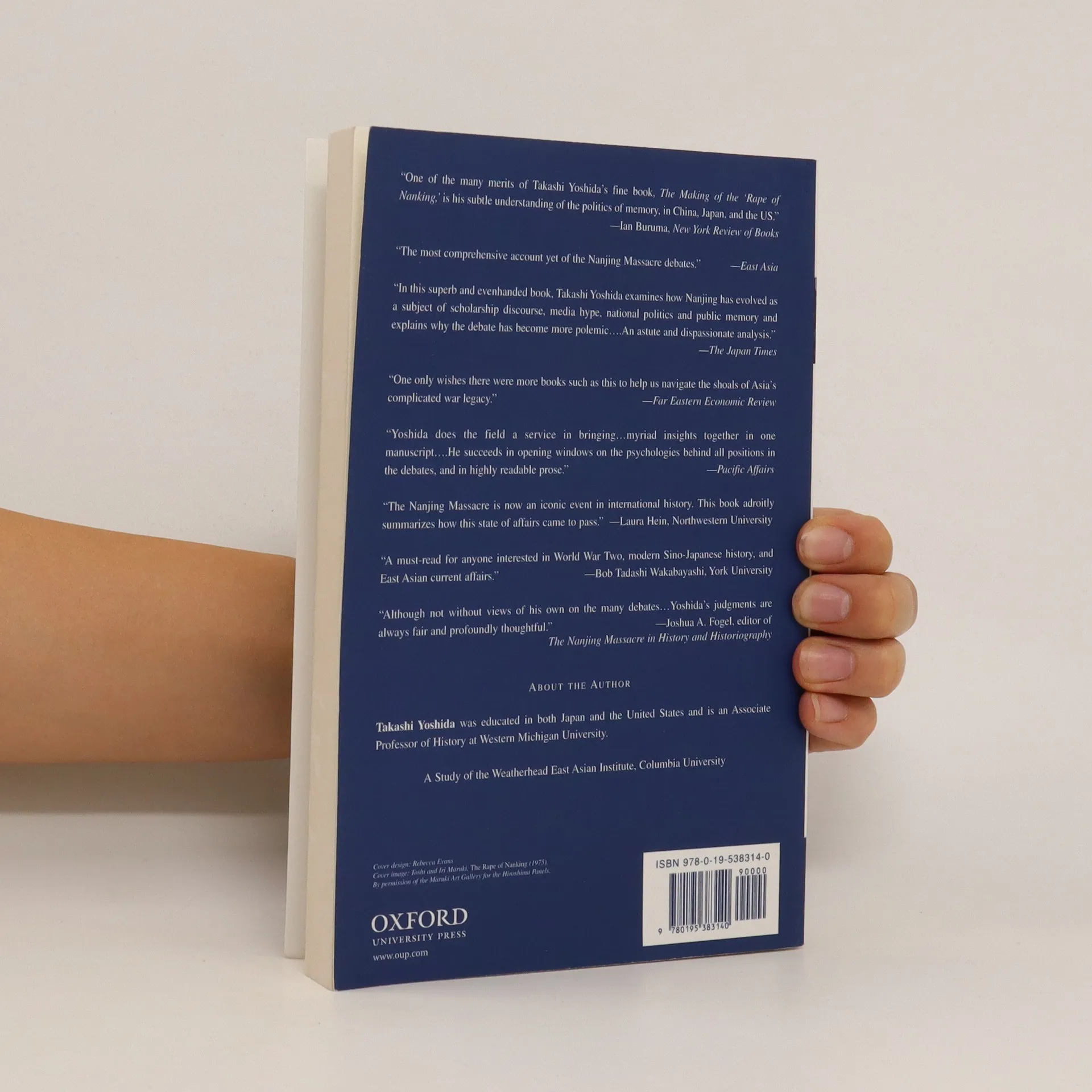
On December 13, 1937, the Japanese army captured Nanjing, marking the beginning of a period filled with atrocities that sparked ongoing debate. The Japanese military committed numerous war crimes, including mass killings and widespread sexual violence, during and after the Battle of Nanjing. However, the specifics—such as casualty figures and the extent of the violence—remain contentious among historians from Japan, China, and the United States. The author examines how perceptions of the Nanjing Massacre have shifted over time in these nations, highlighting the complexities surrounding its legacy. The treatment of this event—whether to condemn, downplay, rationalize, or overlook it—has stirred intense emotions linked to ethics, national identity, and historical narrative. By analyzing various history textbooks and media from China, Japan, and the U.S., the author reveals how social and political contexts have shaped the discourse. Since the 1970s, the debate has intensified, influenced by Japanese revisionist history and China's focus on patriotic education. The notion of the "Rape of Nanking" as a symbol of Japan's wartime aggression is relatively recent, and the author provides a balanced exploration of this politically charged and controversial topic.
Compra de libros
The Making of the "Rape of Nanking", Takashi Yoshida
- Idioma

- Publicado en
- 2009
- Encuadernación
- (Tapa blanda)
Métodos de pago
Nos falta tu reseña aquí
- Título
- The Making of the "Rape of Nanking"
- Idioma
- Inglés
- Autores
- Takashi Yoshida
- Editorial
- Oxford University Press, USA
- Publicado en
- 2009
- Formato
- Tapa blanda
- Páginas
- 280
- ISBN10
- 0195383141
- ISBN13
- 9780195383140
- Serie
- Categorías
- Etiquetas
- Tema histórico, Libros de texto de historia
- Calificación
- 3,65 de 5
- Descripción
- On December 13, 1937, the Japanese army captured Nanjing, marking the beginning of a period filled with atrocities that sparked ongoing debate. The Japanese military committed numerous war crimes, including mass killings and widespread sexual violence, during and after the Battle of Nanjing. However, the specifics—such as casualty figures and the extent of the violence—remain contentious among historians from Japan, China, and the United States. The author examines how perceptions of the Nanjing Massacre have shifted over time in these nations, highlighting the complexities surrounding its legacy. The treatment of this event—whether to condemn, downplay, rationalize, or overlook it—has stirred intense emotions linked to ethics, national identity, and historical narrative. By analyzing various history textbooks and media from China, Japan, and the U.S., the author reveals how social and political contexts have shaped the discourse. Since the 1970s, the debate has intensified, influenced by Japanese revisionist history and China's focus on patriotic education. The notion of the "Rape of Nanking" as a symbol of Japan's wartime aggression is relatively recent, and the author provides a balanced exploration of this politically charged and controversial topic.