

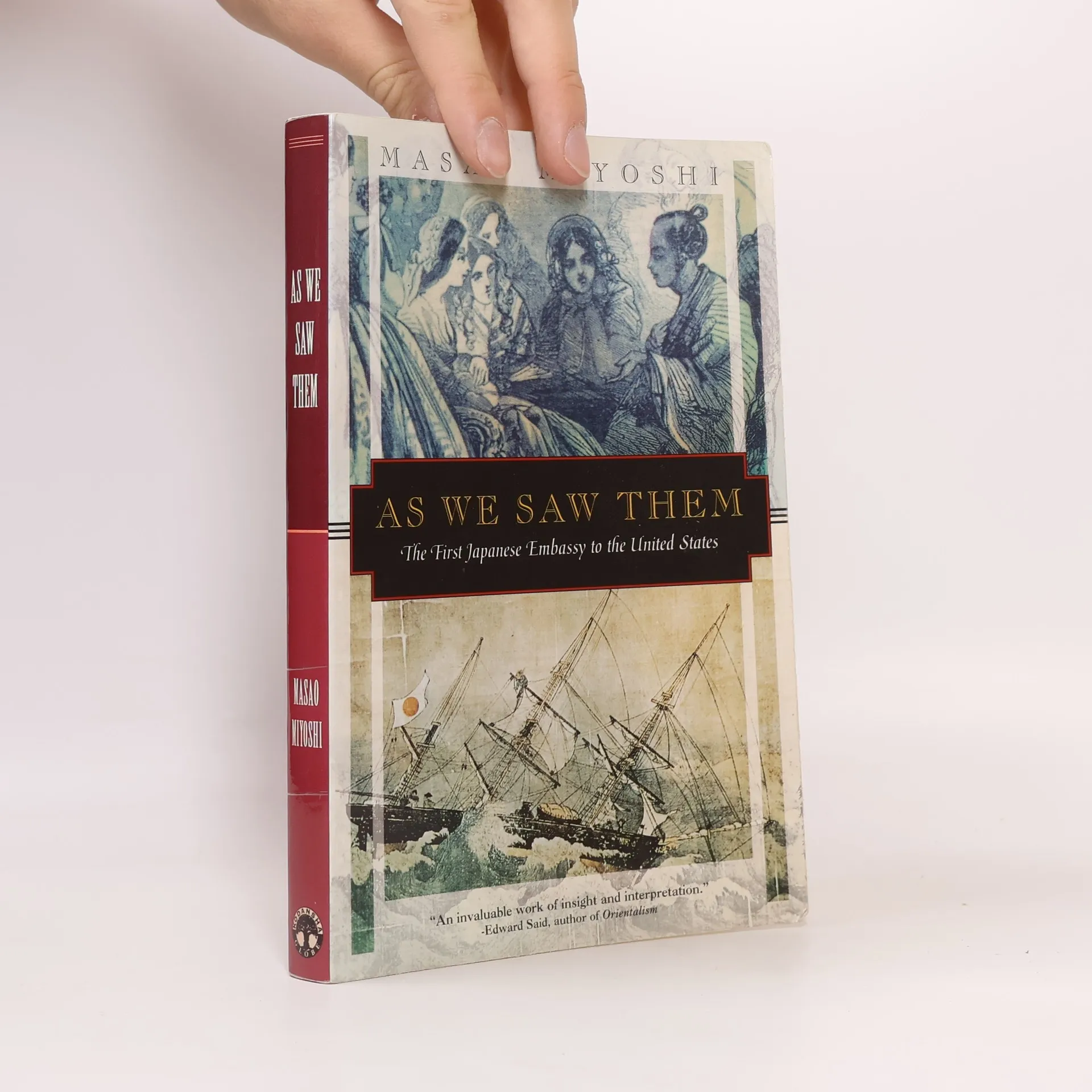
As We Saw Them
The First Japanese Embassy to the United States
Autores
Valoración del libro
Parámetros
- 232 páginas
- 9 horas de lectura
Más información sobre el libro
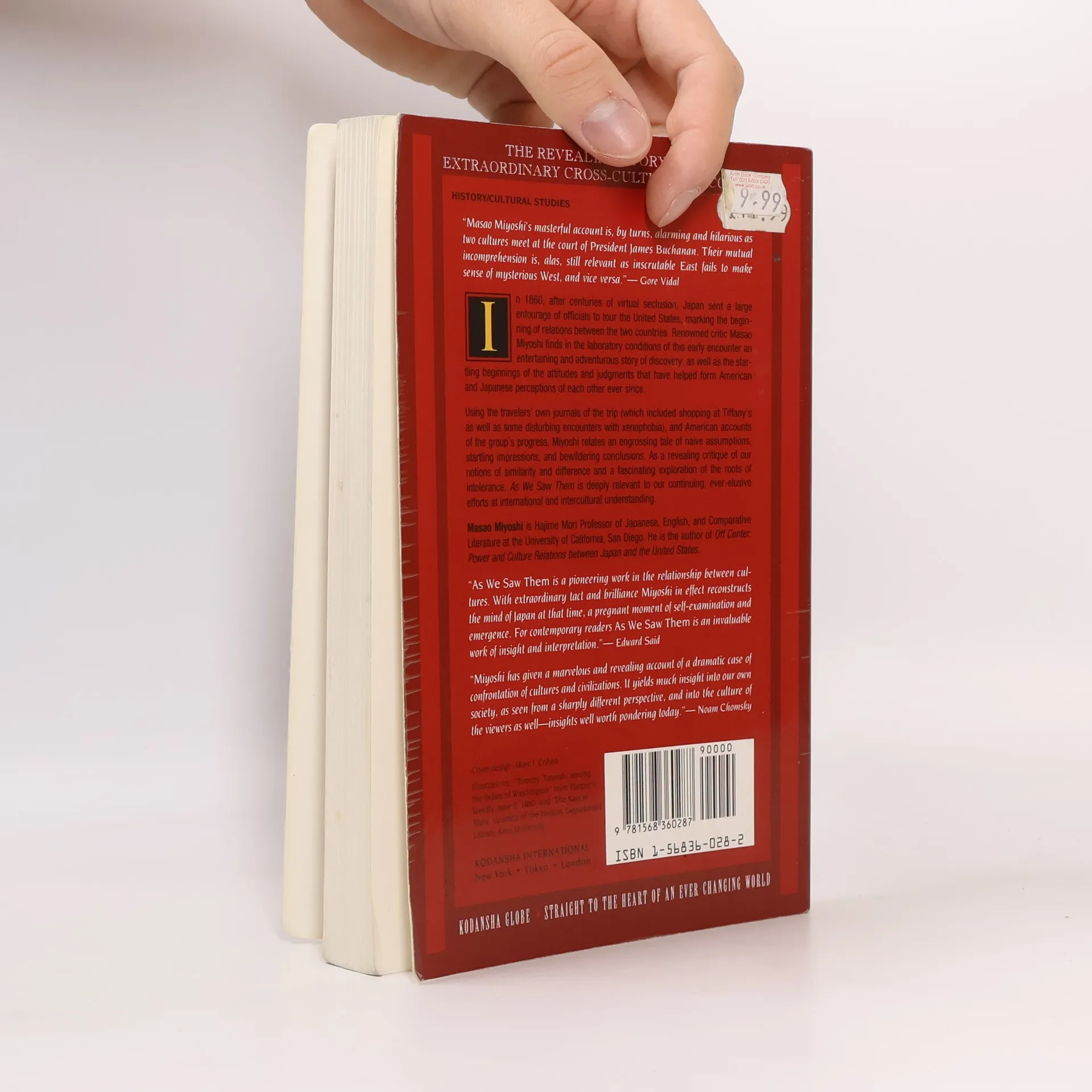
In 1860, Japan sent 170 officials—including samurai, bureaucrats, and a Confucian physician—to the United States, marking the first visit abroad in two centuries. This journey was fueled by a mix of politics and curiosity, leading to a fascinating exploration of cultural perceptions. Historian Masao Miyoshi utilizes the travelers' journals and American accounts to narrate this unique encounter, highlighting entrenched assumptions and startling impressions. The story unfolds as an entertaining adventure that reflects the attitudes shaping American and Japanese views of each other. This examination of "otherness" remains pertinent today as we seek to understand those we perceive as foreign. Critics praise Miyoshi's work for its insightful portrayal of cultural confrontation, emphasizing its relevance in today's world. Gore Vidal notes the alarming yet humorous nature of the mutual incomprehension between the two cultures, while Noam Chomsky highlights the insights gained from viewing our society through a different lens. Edward Said commends Miyoshi for reconstructing Japan's mindset during a pivotal moment of self-examination. Masao Miyoshi was a prominent figure in Japanese and comparative literature at the University of California, San Diego, and authored influential works on Japan-U.S. relations.
Compra de libros
As We Saw Them, Masao Miyoshi
- Idioma

- Publicado en
- 1994
- Encuadernación
- (Tapa blanda)
Métodos de pago
Nos falta tu reseña aquí
- Título
- As We Saw Them
- Subtítulo
- The First Japanese Embassy to the United States
- Idioma
- Inglés
- Autores
- Masao Miyoshi
- Editorial
- Kodansha Amer Inc
- Publicado en
- 1994
- Formato
- Tapa blanda
- Páginas
- 232
- ISBN10
- 1568360282
- ISBN13
- 9781568360287
- Serie
- Categorías
- Etiquetas
- Tema histórico, Política, Japón, Asia, Historia de EE. UU., Historia de Japón
- Calificación
- 3,55 de 5
- Descripción
- In 1860, Japan sent 170 officials—including samurai, bureaucrats, and a Confucian physician—to the United States, marking the first visit abroad in two centuries. This journey was fueled by a mix of politics and curiosity, leading to a fascinating exploration of cultural perceptions. Historian Masao Miyoshi utilizes the travelers' journals and American accounts to narrate this unique encounter, highlighting entrenched assumptions and startling impressions. The story unfolds as an entertaining adventure that reflects the attitudes shaping American and Japanese views of each other. This examination of "otherness" remains pertinent today as we seek to understand those we perceive as foreign. Critics praise Miyoshi's work for its insightful portrayal of cultural confrontation, emphasizing its relevance in today's world. Gore Vidal notes the alarming yet humorous nature of the mutual incomprehension between the two cultures, while Noam Chomsky highlights the insights gained from viewing our society through a different lens. Edward Said commends Miyoshi for reconstructing Japan's mindset during a pivotal moment of self-examination. Masao Miyoshi was a prominent figure in Japanese and comparative literature at the University of California, San Diego, and authored influential works on Japan-U.S. relations.