


Más información sobre el libro
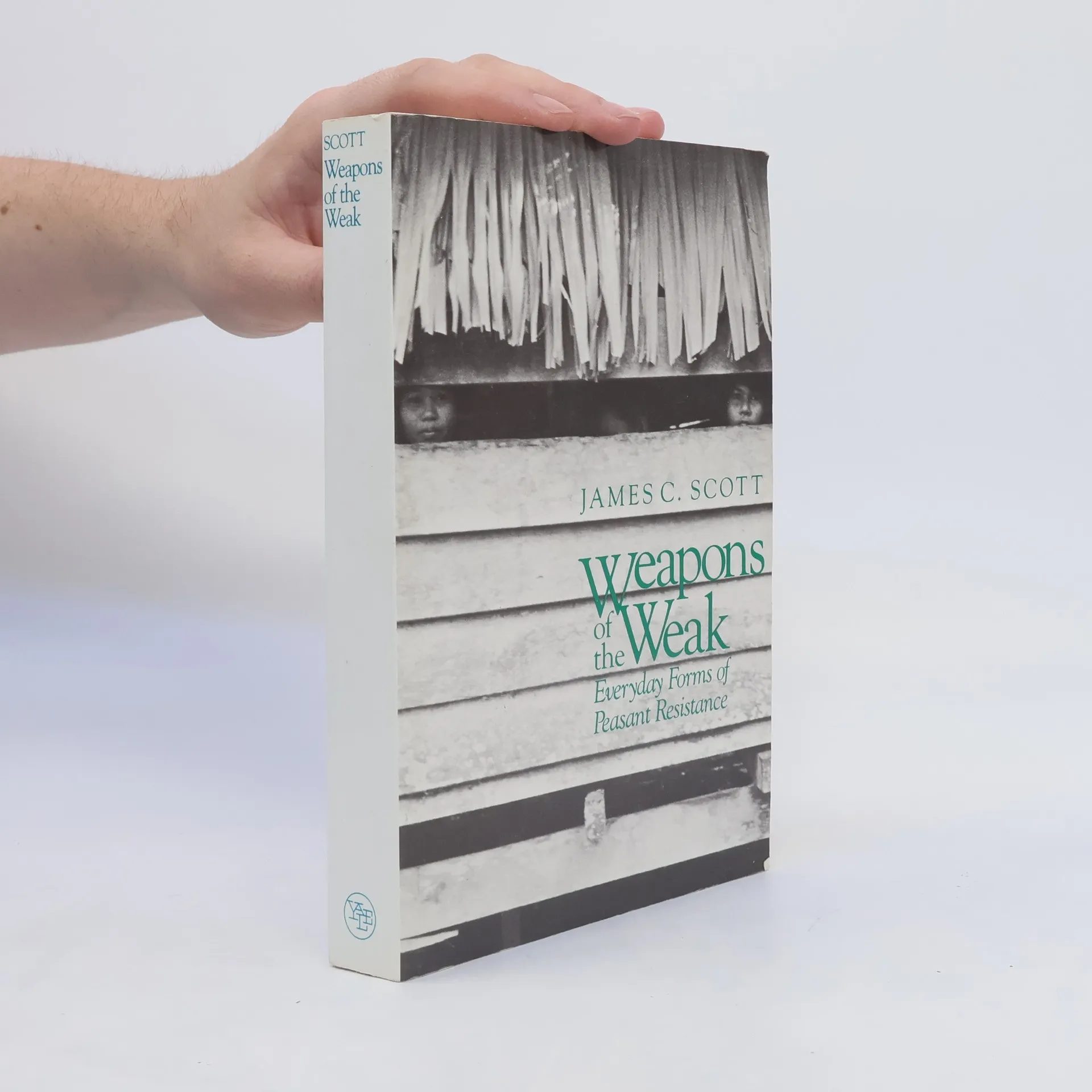
Weapons of the Weak is an ethnography by James C. Scott that studies the effects of the Green Revolution in rural Malaysia. One of the main objectives of the study is to make an argument that the Marxian and Gramscian ideas of false consciousness and hegemony are incorrect. He develops this conclusion throughout the book, through the different scenarios and characters that come up during his time of fieldwork in the village. This publication, based on 2 years of fieldwork (1978-1980), focuses on the local class relations in a small rice farming community of 70 households in the main paddy-growing area of Kedah in Malaysia. Introduction of the Green Revolution in 1976 eliminated 2/3 of the wage-earning opportunities for smallholders and landless laborers. The main ensuing class struggle is analyzed being the ideological struggle in the village and the practice of resistance itself consisting of: foot-dragging, dissimulation, desertion, false compliance, pilfering, feigned ignorance and sabotage acts. Rich and poor are engaged in an unremitting if silent struggle to define changes in land tenure, mechanization and employment to advance their own interests, and to use values that they share to control the distribution of status, land, work and grain.
Compra de libros
Weapons of the Weak, James Scott
- Idioma

- Publicado en
- 1987
- Encuadernación
- (Tapa blanda)
Métodos de pago
Nos falta tu reseña aquí
- Título
- Weapons of the Weak
- Idioma
- Inglés
- Autores
- James Scott
- Editorial
- Yale University Press
- Publicado en
- 1987
- Formato
- Tapa blanda
- Páginas
- 392
- ISBN10
- 0300036418
- ISBN13
- 9780300036411
- Serie
- Categorías
- Etiquetas
- Tema histórico, Política
- Calificación
- 4,2 de 5
- Descripción
- Weapons of the Weak is an ethnography by James C. Scott that studies the effects of the Green Revolution in rural Malaysia. One of the main objectives of the study is to make an argument that the Marxian and Gramscian ideas of false consciousness and hegemony are incorrect. He develops this conclusion throughout the book, through the different scenarios and characters that come up during his time of fieldwork in the village. This publication, based on 2 years of fieldwork (1978-1980), focuses on the local class relations in a small rice farming community of 70 households in the main paddy-growing area of Kedah in Malaysia. Introduction of the Green Revolution in 1976 eliminated 2/3 of the wage-earning opportunities for smallholders and landless laborers. The main ensuing class struggle is analyzed being the ideological struggle in the village and the practice of resistance itself consisting of: foot-dragging, dissimulation, desertion, false compliance, pilfering, feigned ignorance and sabotage acts. Rich and poor are engaged in an unremitting if silent struggle to define changes in land tenure, mechanization and employment to advance their own interests, and to use values that they share to control the distribution of status, land, work and grain.