

Parámetros
- 216 páginas
- 8 horas de lectura
Más información sobre el libro
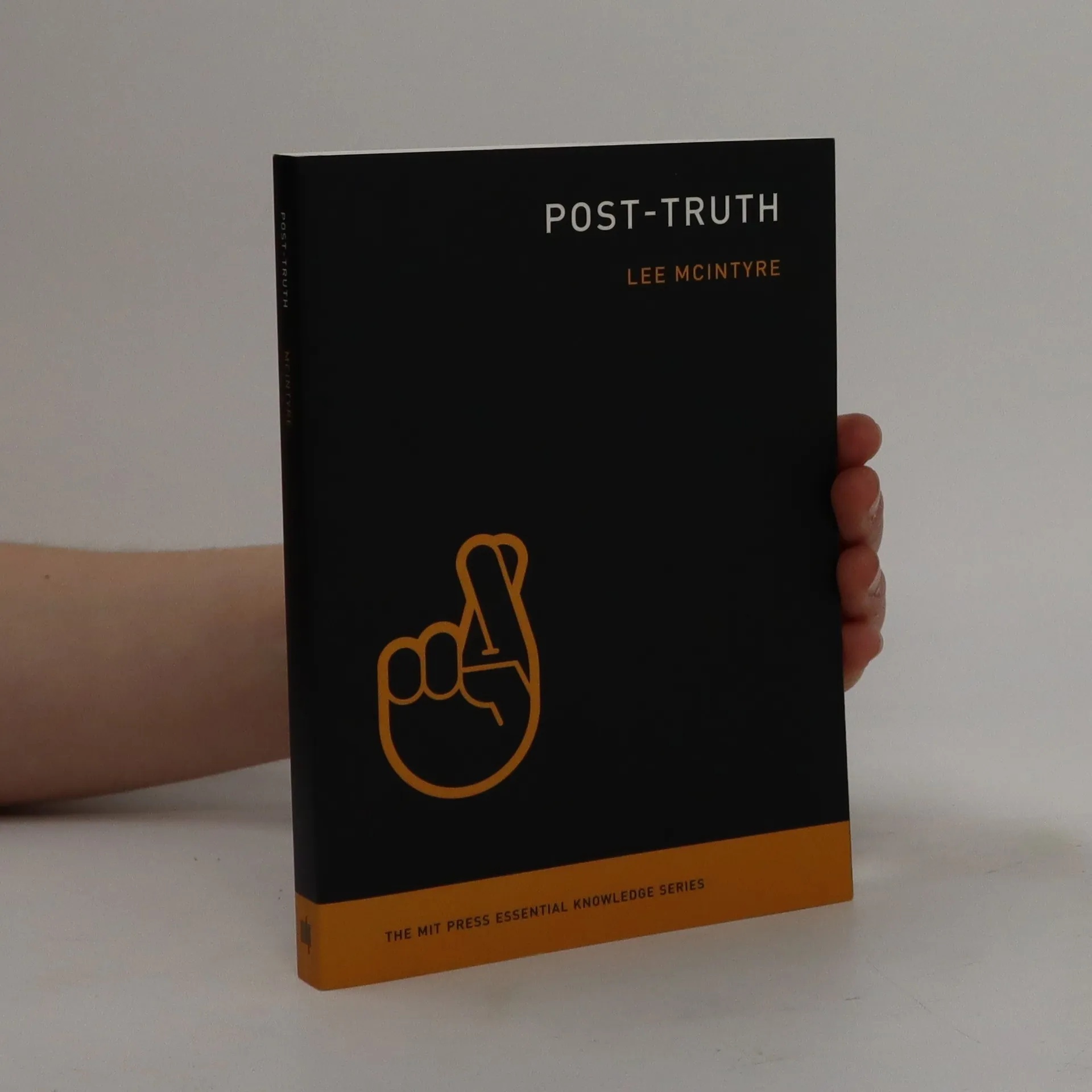
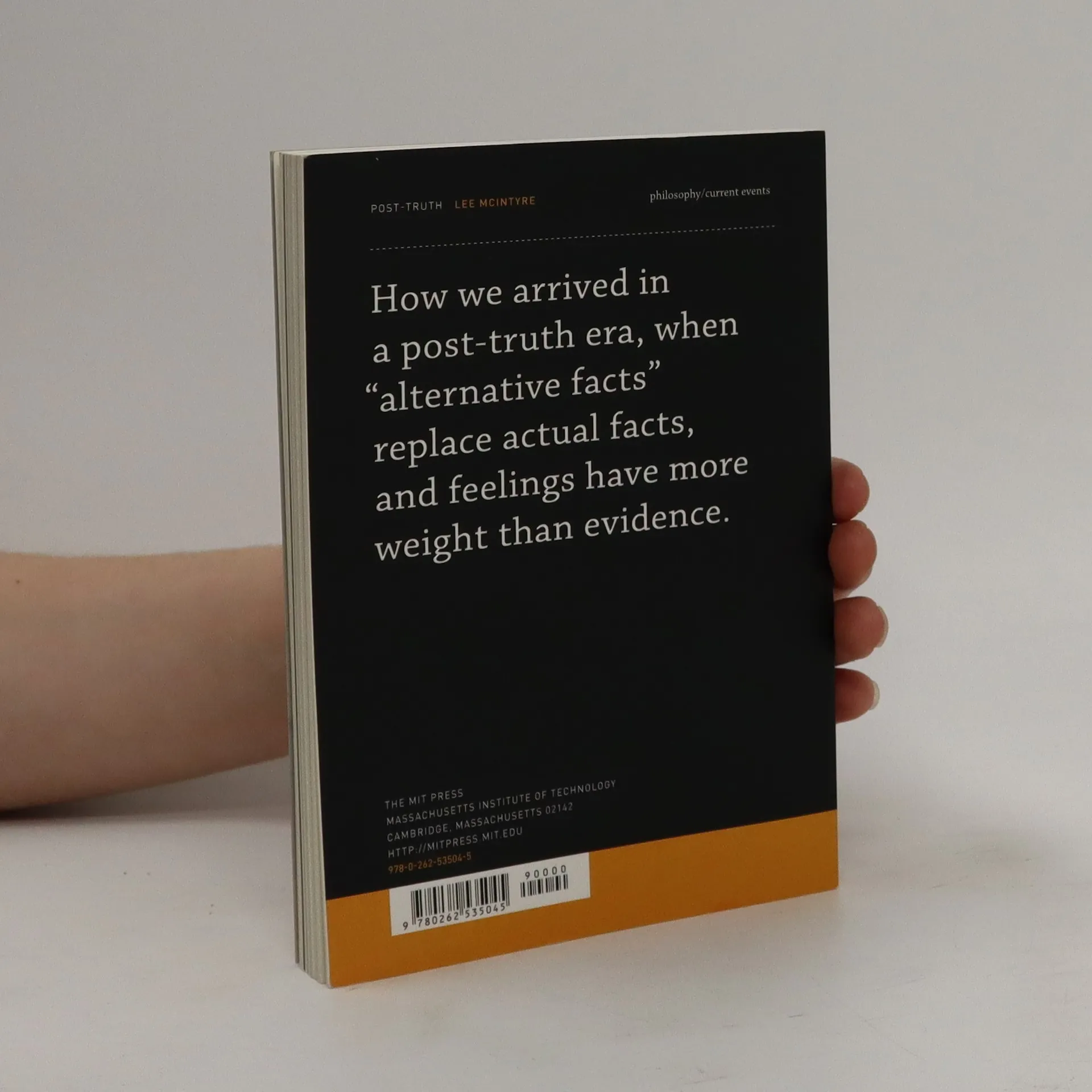
Are we in a post-truth world where "alternative facts" overshadow actual evidence? In this volume, Lee McIntyre explores the emergence of the post-truth phenomenon, tracing its roots from science denial to the rise of "fake news." He examines our psychological blind spots and the public's retreat into information silos. What defines post-truth? Is it wishful thinking, political spin, or outright lying? McIntyre analyzes recent examples, such as claims about inauguration crowd sizes and crime statistics, revealing post-truth as a tool for asserting ideological dominance, compelling belief regardless of evidence. This trend predates the 2016 election, with historical denials of scientific facts about smoking, evolution, vaccines, and climate change providing a blueprint for broader fact denial. Coupled with cognitive biases that distort our reasoning, the decline of traditional media, and the rise of social media, the conditions for post-truth flourish. McIntyre provocatively suggests that the right has appropriated postmodernism's rejection of objective truth in its attacks on science. He asserts that understanding post-truth is the first step in combating it, emphasizing the importance of addressing this phenomenon to reclaim factual discourse.
Compra de libros
Post-truth, Lee McIntyre
- Idioma

- Publicado en
- 2018
- Encuadernación
- (Tapa blanda)
Métodos de pago
Nos falta tu reseña aquí
- Título
- Post-truth
- Idioma
- Inglés
- Autores
- Lee McIntyre
- Editorial
- MIT Press
- Publicado en
- 2018
- Formato
- Tapa blanda
- Páginas
- 216
- ISBN10
- 0262535041
- ISBN13
- 9780262535045
- Serie
- Categorías
- Etiquetas
- Tema histórico, Temas psicológicos, Temática filosófica, Política, Ciencia, Regalos para abuelo
- Calificación
- 4 de 5
- Descripción
- Are we in a post-truth world where "alternative facts" overshadow actual evidence? In this volume, Lee McIntyre explores the emergence of the post-truth phenomenon, tracing its roots from science denial to the rise of "fake news." He examines our psychological blind spots and the public's retreat into information silos. What defines post-truth? Is it wishful thinking, political spin, or outright lying? McIntyre analyzes recent examples, such as claims about inauguration crowd sizes and crime statistics, revealing post-truth as a tool for asserting ideological dominance, compelling belief regardless of evidence. This trend predates the 2016 election, with historical denials of scientific facts about smoking, evolution, vaccines, and climate change providing a blueprint for broader fact denial. Coupled with cognitive biases that distort our reasoning, the decline of traditional media, and the rise of social media, the conditions for post-truth flourish. McIntyre provocatively suggests that the right has appropriated postmodernism's rejection of objective truth in its attacks on science. He asserts that understanding post-truth is the first step in combating it, emphasizing the importance of addressing this phenomenon to reclaim factual discourse.