

Parámetros
Más información sobre el libro
Recent decades have witnessed increased interest in the foods of Africa, spurred on by the recurrent famines that have plagued the continent. It is now recognized that helping people to use their own knowledge of indigenous foods and agriculture provides better prospects for long-term sustainability than imposing solutions from outside. Yet to date there has been little documented information about the foods that are utilized by the poor of Africa, and particularly how these foods are preserved in a hostile environment for later use. This book is a unique compilation of both the general literature on Africa's fermented foods and beverages and of original research conducted by the author in Sudan. Information was gathered from elderly rural women who traditionally hand down such knowledge from generation to generation. With increased urbanization and dislocation of family structures, there is a danger that such knowledge might otherwise be lost forever. The various foods are considered in terms of their role in the struggle for survival and in the social fabric of rural Sudan, as well as from the perspectives of nutrition and food microbiology. The book is a major contribution to this literature, of interest to all concerned with food science, human nutrition, and rural development.
Compra de libros
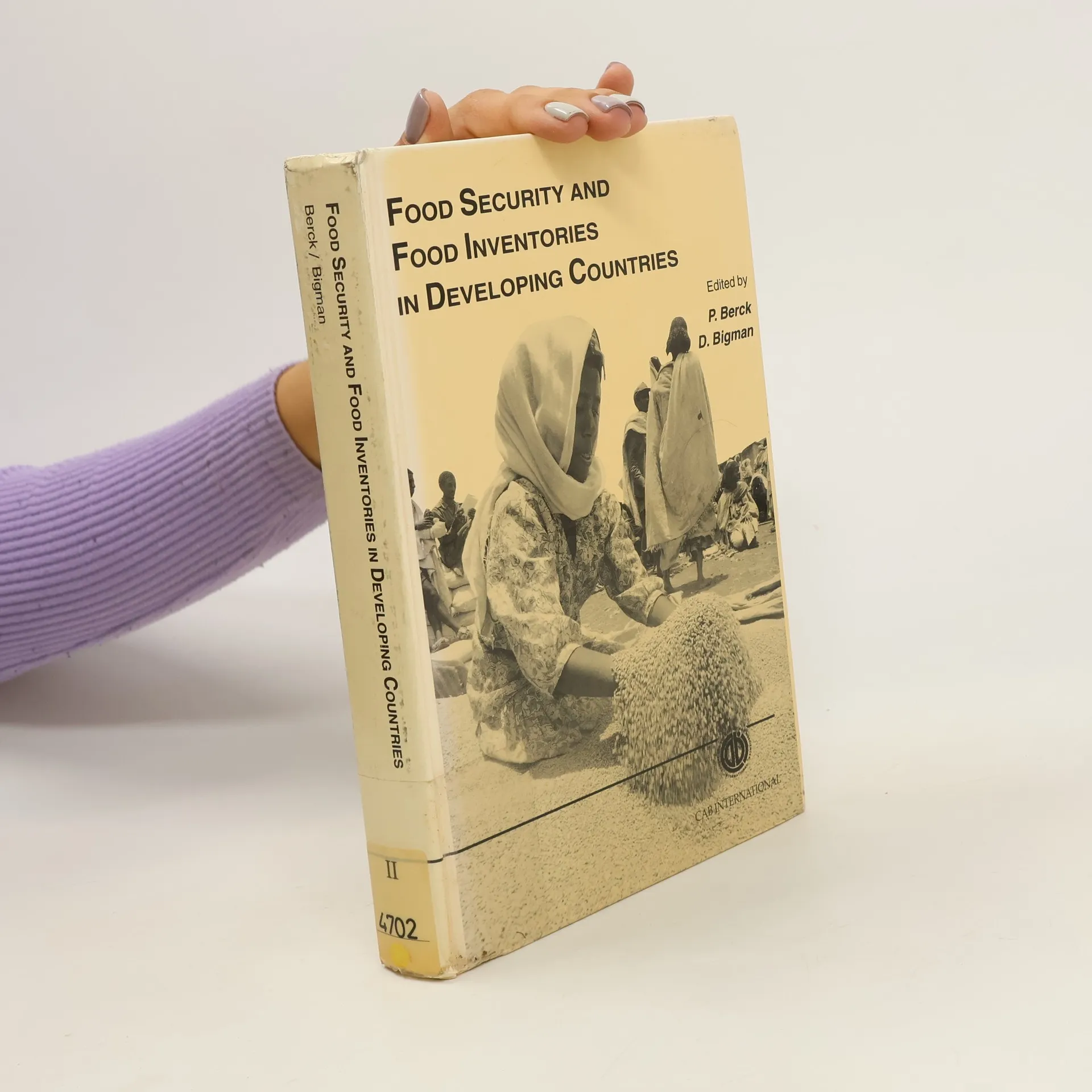
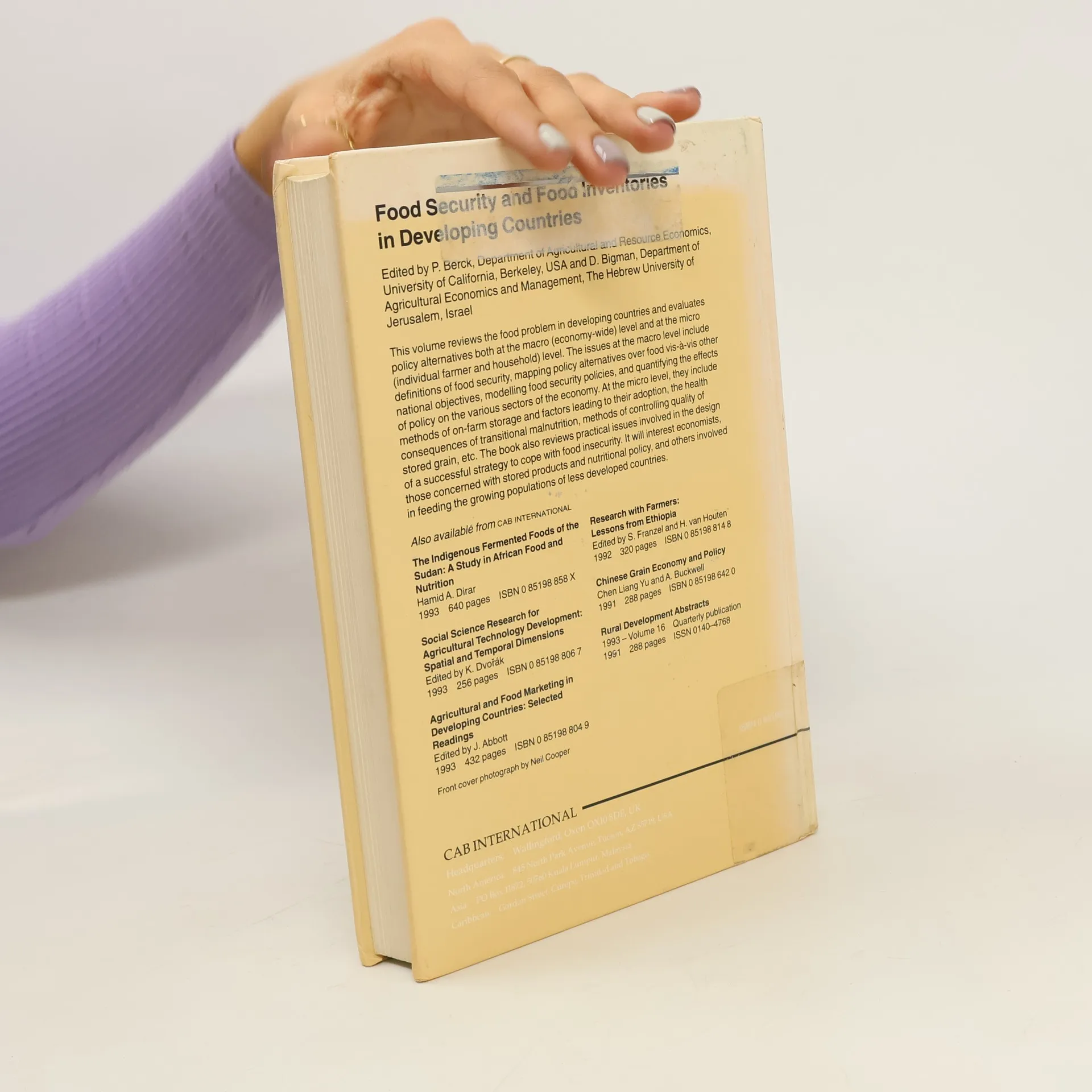
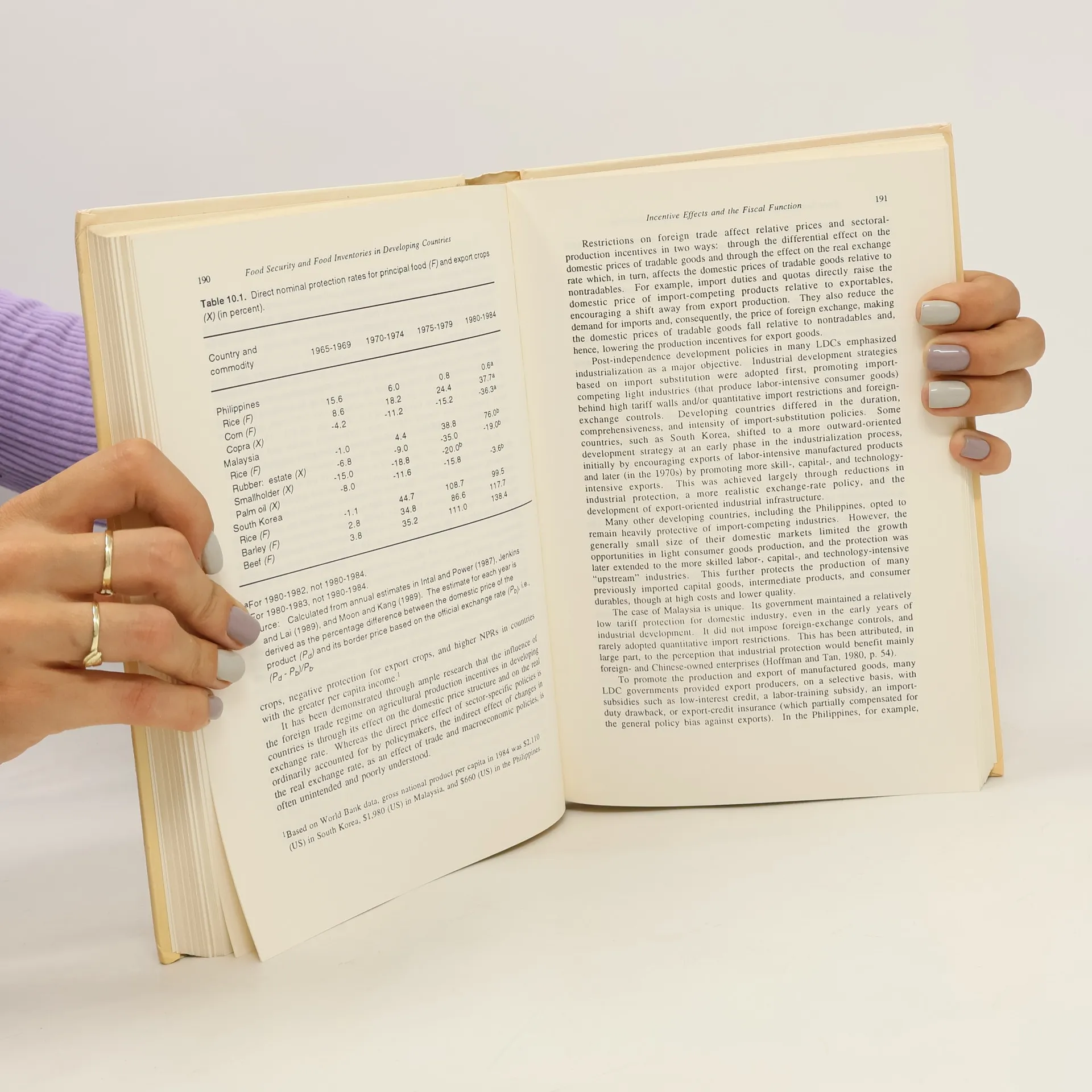
Food Security and Food Inventories in Developing Countries, Peter Berck, David Bigman
- Idioma

- Publicado en
- Encuadernación
- (Tapa dura)
Métodos de pago
Nos falta tu reseña aquí
- Título
- Food Security and Food Inventories in Developing Countries
- Idioma
- Inglés
- Autores
- Peter Berck, David Bigman
- Formato
- Tapa dura
- ISBN10
- 085198858X
- ISBN13
- 9780851988580
- Serie
- Calificación
- 4 de 5
- Descripción
- Recent decades have witnessed increased interest in the foods of Africa, spurred on by the recurrent famines that have plagued the continent. It is now recognized that helping people to use their own knowledge of indigenous foods and agriculture provides better prospects for long-term sustainability than imposing solutions from outside. Yet to date there has been little documented information about the foods that are utilized by the poor of Africa, and particularly how these foods are preserved in a hostile environment for later use. This book is a unique compilation of both the general literature on Africa's fermented foods and beverages and of original research conducted by the author in Sudan. Information was gathered from elderly rural women who traditionally hand down such knowledge from generation to generation. With increased urbanization and dislocation of family structures, there is a danger that such knowledge might otherwise be lost forever. The various foods are considered in terms of their role in the struggle for survival and in the social fabric of rural Sudan, as well as from the perspectives of nutrition and food microbiology. The book is a major contribution to this literature, of interest to all concerned with food science, human nutrition, and rural development.