



Más información sobre el libro
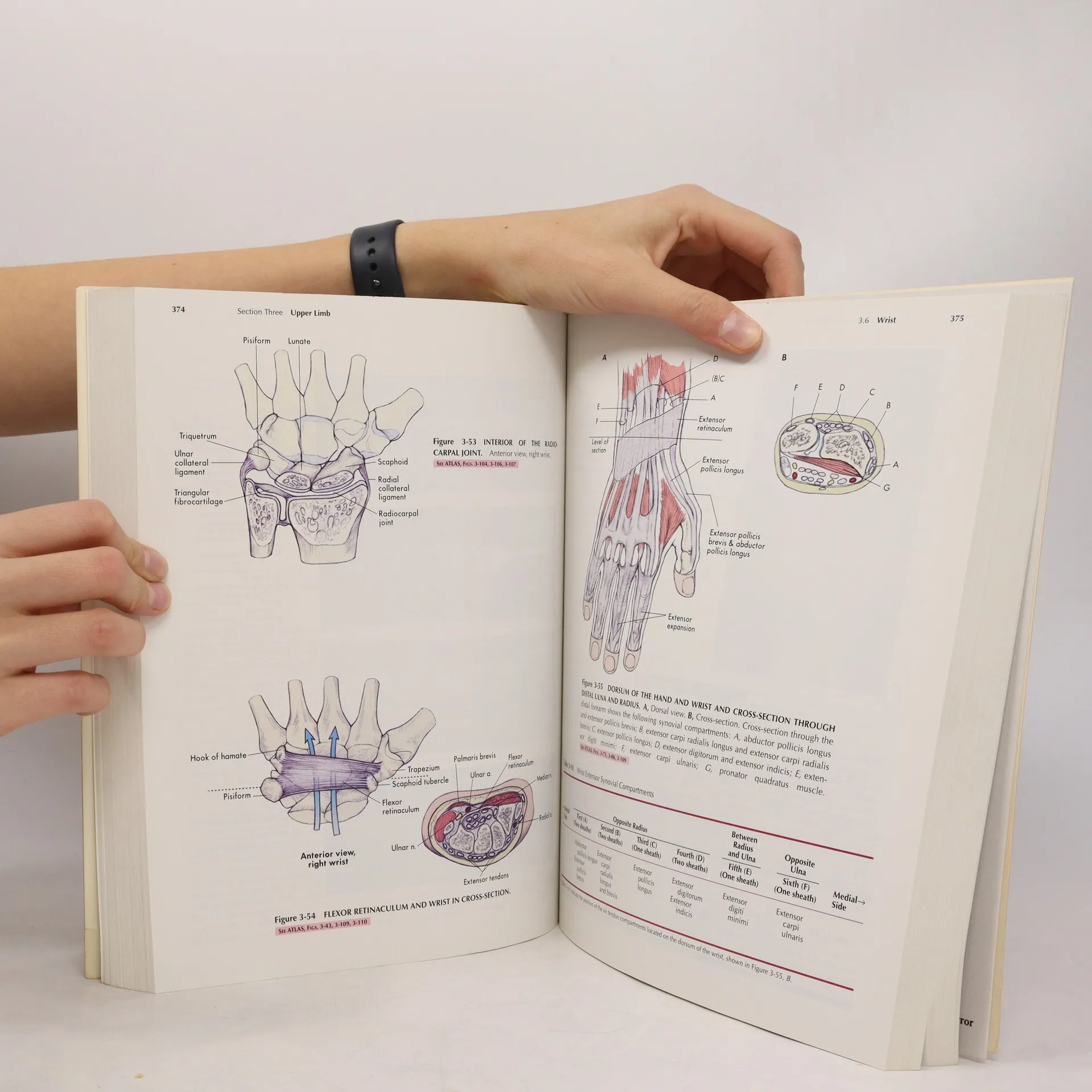
C.L.A.S.S. Principles has been created to help students understand and apply anatomy in the clinical setting. Throughout this easily readable text, boxed highlights emphasize the principles of how the human body is organized and why. Hundreds of original, full-color line drawings simplify complex relationships, while radiographic images reveal spatial relationships. Photographs of surface anatomy provide important landmarks for the underlying structures. Systemic reviews of vascular, muscular, skeletal, lymphatic, and neural structures are helpful in understanding how these components are connected in a region. To encourage students to apply the principles of anatomy to actual patient situations, clinical cases are included with each region. Whether used alone or with the other components of the Clinical Anatomy Study System, C.L.A.S.S. Principles makes the complexities of the human body understandable and pertinent.
Compra de libros
Clinical Anatomy Principles, Autores varios
- Idioma

- Publicado en
- 1996
- Encuadernación
- (Tapa blanda)
Métodos de pago
Nos falta tu reseña aquí
- Título
- Clinical Anatomy Principles
- Idioma
- Inglés
- Autores
- Autores varios
- Editorial
- Mosby
- Publicado en
- 1996
- Formato
- Tapa blanda
- Páginas
- 816
- ISBN10
- 0815189265
- ISBN13
- 9780815189268
- Serie
- Categorías
- Etiquetas
- Estudios de medicina
- Calificación
- 4 de 5
- Descripción
- C.L.A.S.S. Principles has been created to help students understand and apply anatomy in the clinical setting. Throughout this easily readable text, boxed highlights emphasize the principles of how the human body is organized and why. Hundreds of original, full-color line drawings simplify complex relationships, while radiographic images reveal spatial relationships. Photographs of surface anatomy provide important landmarks for the underlying structures. Systemic reviews of vascular, muscular, skeletal, lymphatic, and neural structures are helpful in understanding how these components are connected in a region. To encourage students to apply the principles of anatomy to actual patient situations, clinical cases are included with each region. Whether used alone or with the other components of the Clinical Anatomy Study System, C.L.A.S.S. Principles makes the complexities of the human body understandable and pertinent.