



Más información sobre el libro
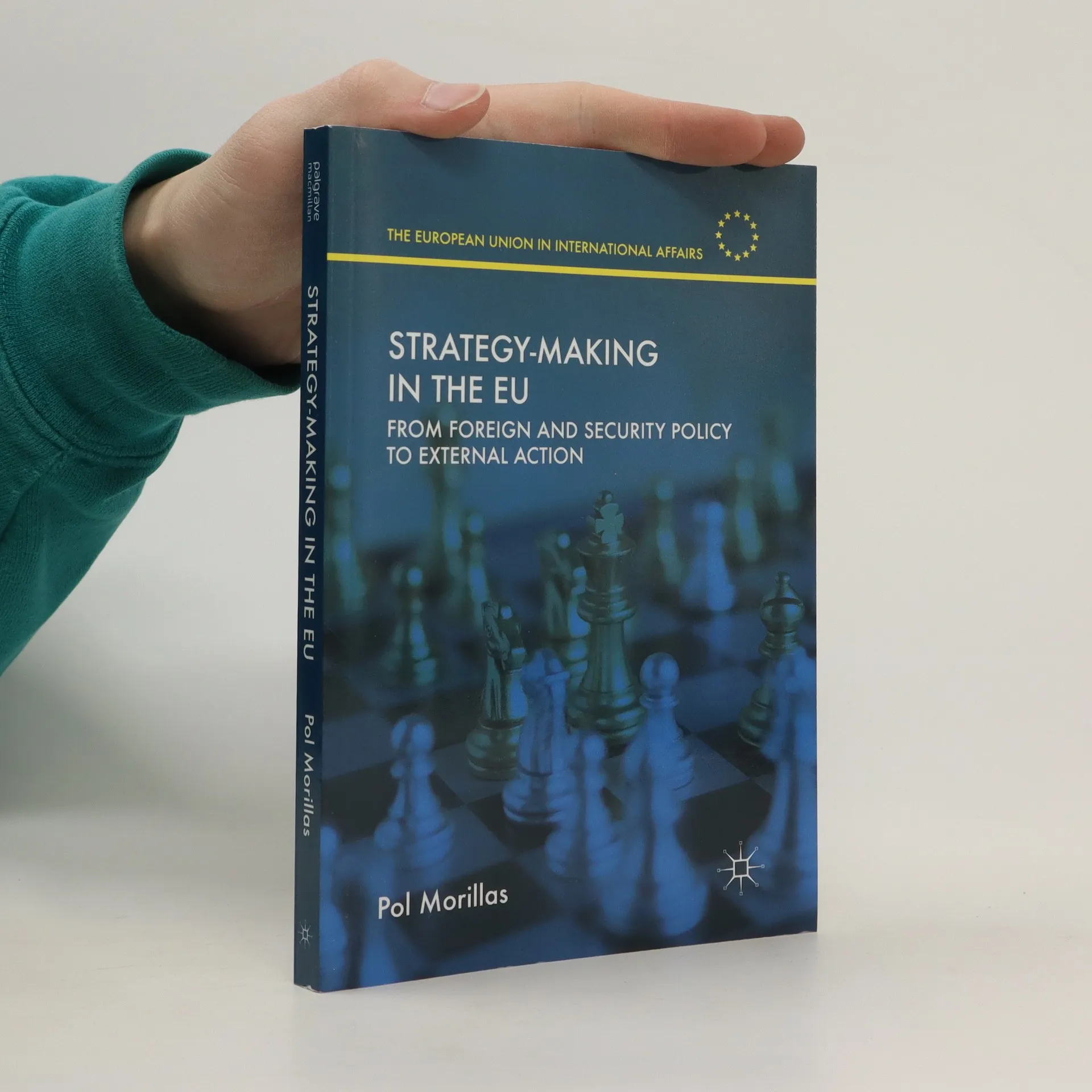
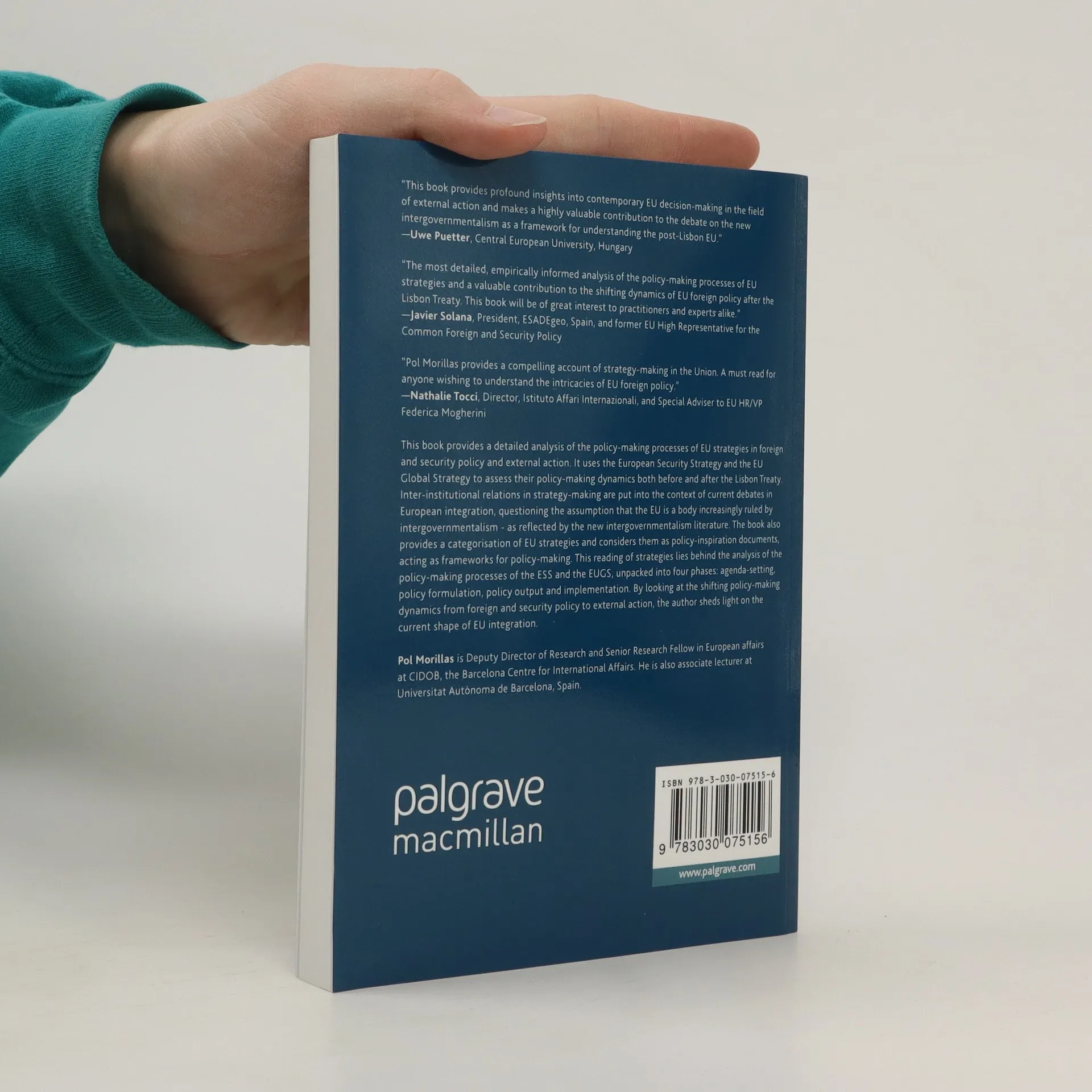
This book provides a detailed analysis of the policy-making processes of EU strategies in foreign and security policy and external action. It uses the European Security Strategy and the EU Global Strategy to assess their policy-making dynamics both before and after the Lisbon Treaty. Inter-institutional relations in strategy-making are put into the context of current debates in European integration, questioning the assumption that the EU is a body increasingly ruled by intergovernmentalism - as reflected by the new intergovernmentalism literature. The book also provides a categorisation of EU strategies and considers them as policy-inspiration documents, acting as frameworks for policy-making. This reading of strategies lies behind the analysis of the policy-making processes of the ESS and the EUGS, unpacked into four phases: agenda-setting, policy formulation, policy output and implementation. By looking at the shifting policy-making dynamics from foreign and security policy to external action, the author sheds light on the current shape of EU integration.
Compra de libros
Strategy-makking in the EU : From foreign and security policy to external action, Pol Morillas
- Idioma

- Publicado en
- 2019
- Encuadernación
- (Tapa blanda)
Métodos de pago
Nadie lo ha calificado todavía.
- Título
- Strategy-makking in the EU : From foreign and security policy to external action
- Idioma
- Inglés
- Autores
- Pol Morillas
- Editorial
- Palgrave Macmillan
- Publicado en
- 2019
- Formato
- Tapa blanda
- Páginas
- 216
- ISBN10
- 303007515x
- ISBN13
- 9783030075156
- Serie
- Etiquetas
- Comercio, Temática jurídica
- Descripción
- This book provides a detailed analysis of the policy-making processes of EU strategies in foreign and security policy and external action. It uses the European Security Strategy and the EU Global Strategy to assess their policy-making dynamics both before and after the Lisbon Treaty. Inter-institutional relations in strategy-making are put into the context of current debates in European integration, questioning the assumption that the EU is a body increasingly ruled by intergovernmentalism - as reflected by the new intergovernmentalism literature. The book also provides a categorisation of EU strategies and considers them as policy-inspiration documents, acting as frameworks for policy-making. This reading of strategies lies behind the analysis of the policy-making processes of the ESS and the EUGS, unpacked into four phases: agenda-setting, policy formulation, policy output and implementation. By looking at the shifting policy-making dynamics from foreign and security policy to external action, the author sheds light on the current shape of EU integration.