



Valoración del libro
Más información sobre el libro
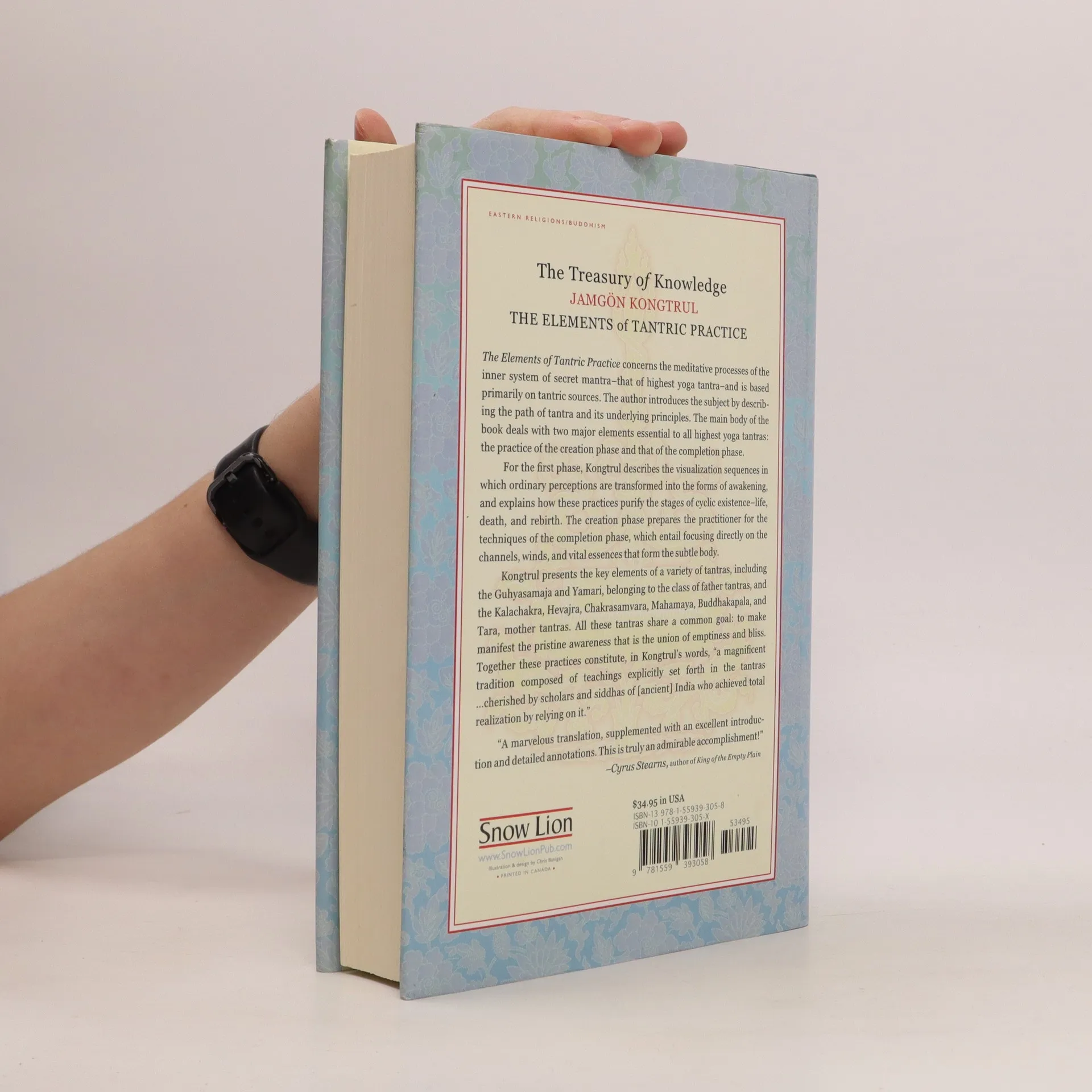
Jamgon Kongtrul's Treasury of Knowledge in ten volumes is a unique encyclopedic masterpiece embodying the entire range of Buddhist teachings as they were presented in Tibet. The Elements of Tantric Practice sets forth the inner system of meditation--that of highest yoga tantra, which comprises two phases. The phase of creation relies primarily on the use of the imagination to effect personal transformation. In the phase of completion, practitioners actually achieve this transformation by the use of powerful inner yogas that manipulate the inner energies and constituents of the mind and body, leading to the realization of the fundamental nature of mind and phenomena. Together these practices constitute, in Kongtrul's words, a magnificent tradition cherished by scholars and siddhas of ancient India who achieved total realization by relying on it.
Compra de libros
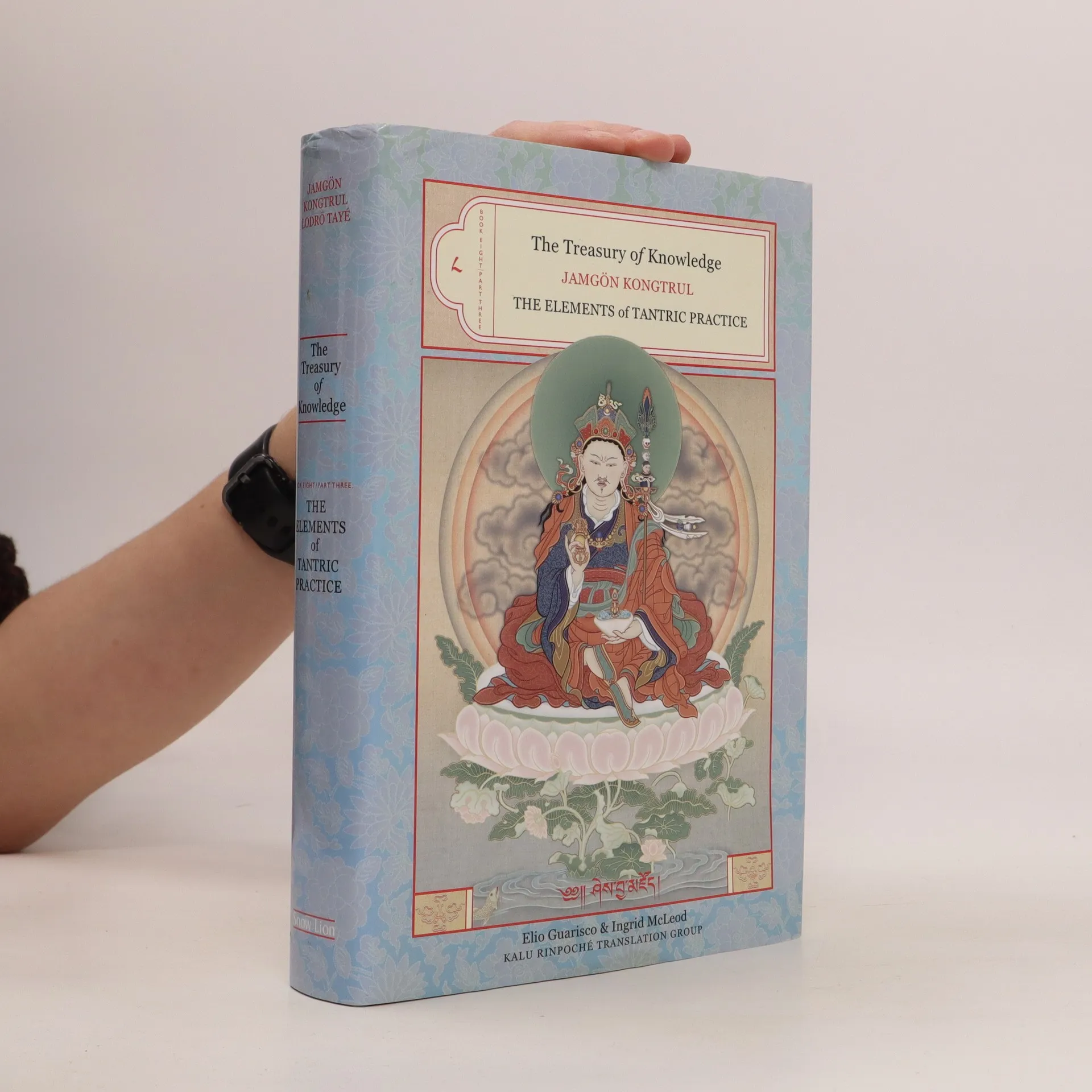
The Treasury of Knowledge: Book Eight, Part Three: The Elements of Tantric Practice, Jamgön Kongtrül
- Idioma

- Publicado en
- 2008
- Encuadernación
- (Tapa dura)
Métodos de pago
Nos falta tu reseña aquí
- Título
- The Treasury of Knowledge: Book Eight, Part Three: The Elements of Tantric Practice
- Idioma
- Inglés
- Autores
- Jamgön Kongtrül
- Editorial
- Snow Lion
- Publicado en
- 2008
- Formato
- Tapa dura
- Páginas
- 470
- ISBN10
- 155939305x
- ISBN13
- 9781559393058
- Serie
- Categorías
- Etiquetas
- Temas religiosos
- Calificación
- 4,25 de 5
- Descripción
- Jamgon Kongtrul's Treasury of Knowledge in ten volumes is a unique encyclopedic masterpiece embodying the entire range of Buddhist teachings as they were presented in Tibet. The Elements of Tantric Practice sets forth the inner system of meditation--that of highest yoga tantra, which comprises two phases. The phase of creation relies primarily on the use of the imagination to effect personal transformation. In the phase of completion, practitioners actually achieve this transformation by the use of powerful inner yogas that manipulate the inner energies and constituents of the mind and body, leading to the realization of the fundamental nature of mind and phenomena. Together these practices constitute, in Kongtrul's words, a magnificent tradition cherished by scholars and siddhas of ancient India who achieved total realization by relying on it.