


Affordable living: Housing for everyone
Más información sobre el libro
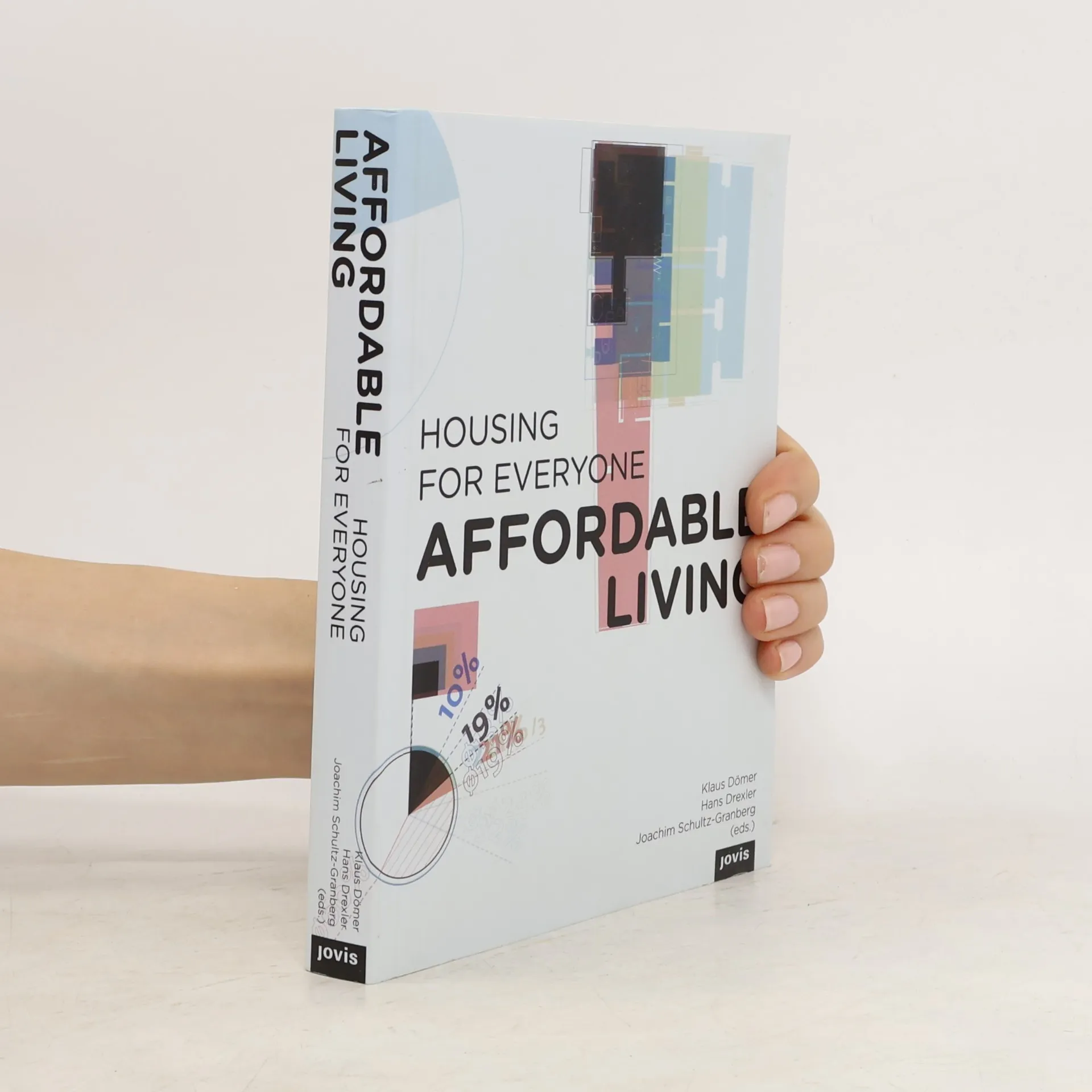
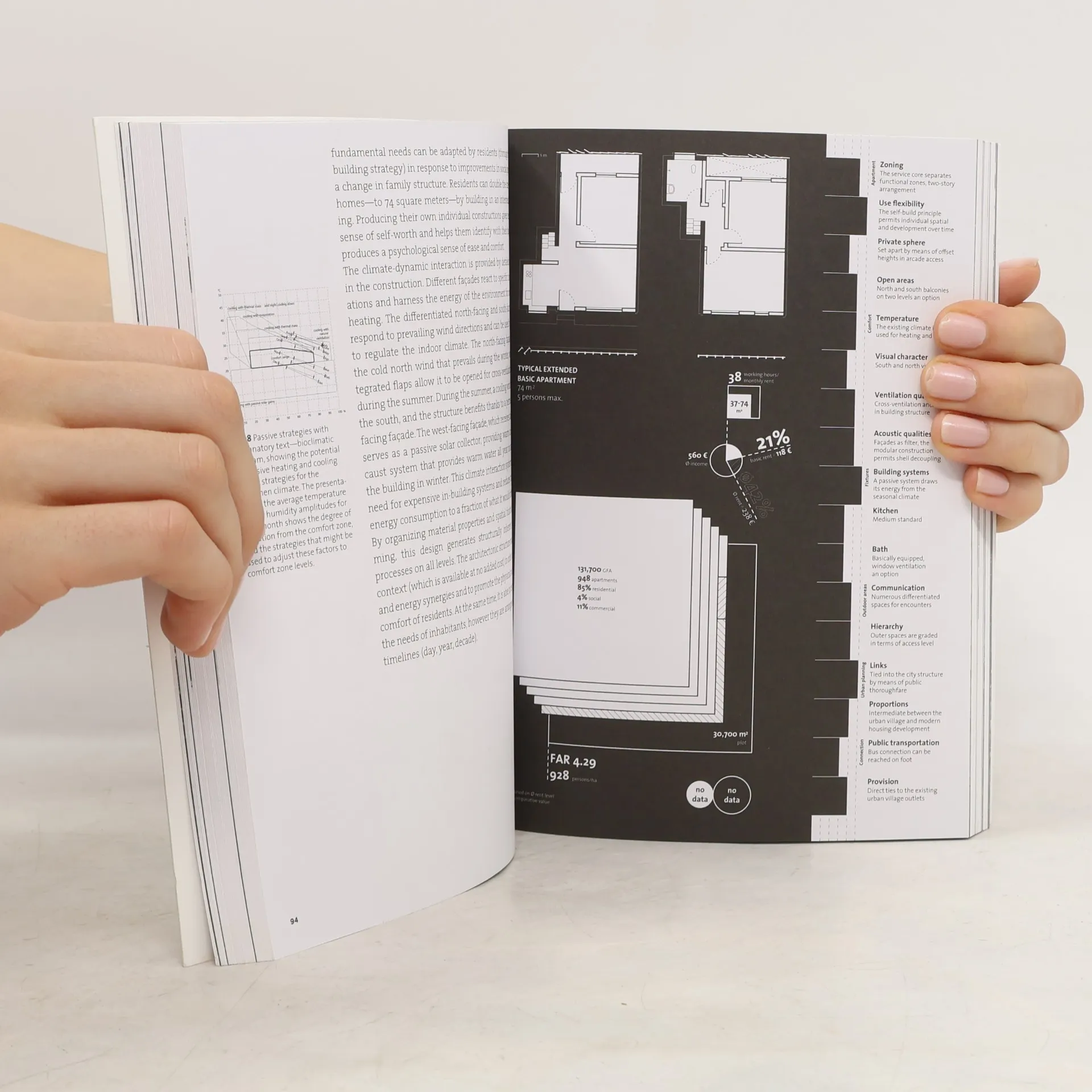
Housing is a basic need that, for many all over the world, remains unmet or inadequate. In order to ensure the availability of quality living space for everyone, architecture and urban development can contribute significantly to finding new solutions. The challenge of affordable housing lies in achieving an optimum relationship between costs and the “home quality“ value, which is dependent on many local parameters and cultural preferences. In light of this and based on examples of exceptional residential buildings, this book presents not only theoretical approaches but also strategies for creating affordable living spaces. These strategies can be compared by analyzing projects in their economic, social, and urban development contexts. The central question is: how can different approaches for creating affordable residential space be applied and translated to other contexts?
Compra de libros
Affordable living: Housing for everyone, Klaus Dömer, Hans Drexler, Joachim SchultzGranberg
- Idioma

- Publicado en
- 2014
- Encuadernación
- (Tapa blanda)
Métodos de pago
Nadie lo ha calificado todavía.
- Título
- Affordable living: Housing for everyone
- Idioma
- Inglés
- Editorial
- jovis
- Publicado en
- 2014
- Formato
- Tapa blanda
- Páginas
- 272
- ISBN10
- 3868593241
- ISBN13
- 9783868593242
- Serie
- Etiquetas
- Arquitectura
- Descripción
- Housing is a basic need that, for many all over the world, remains unmet or inadequate. In order to ensure the availability of quality living space for everyone, architecture and urban development can contribute significantly to finding new solutions. The challenge of affordable housing lies in achieving an optimum relationship between costs and the “home quality“ value, which is dependent on many local parameters and cultural preferences. In light of this and based on examples of exceptional residential buildings, this book presents not only theoretical approaches but also strategies for creating affordable living spaces. These strategies can be compared by analyzing projects in their economic, social, and urban development contexts. The central question is: how can different approaches for creating affordable residential space be applied and translated to other contexts?