

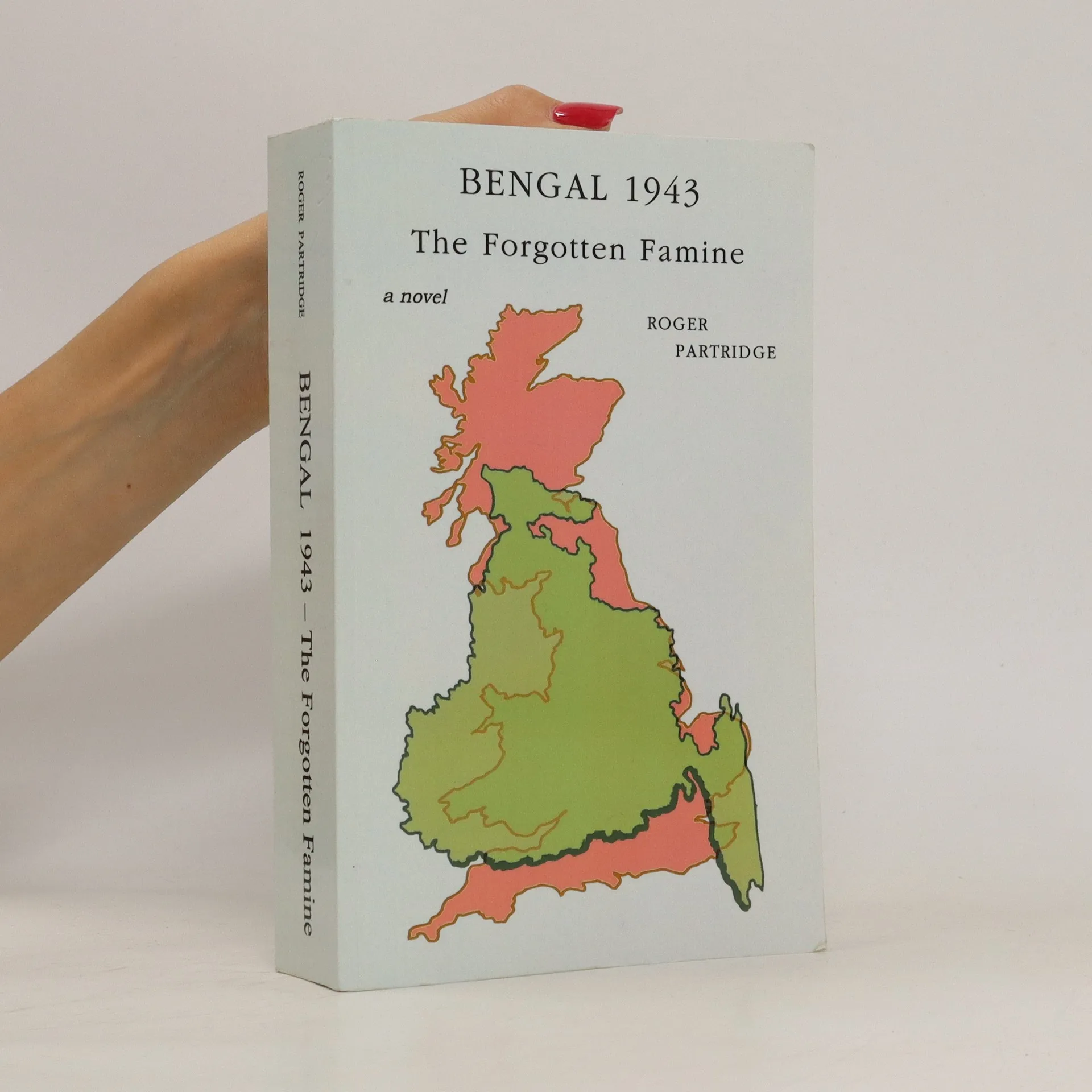
Bengal 1943
Autores
Más información sobre el libro
A world long the British colonial presence in India during the Second World War. For the responsible officials in New Delhi and Calcutta the main threat is a Japanese invasion of south-east Bengal (part of today's Bangladesh). But for Bengal's rural population a far worse threat soon becomes reality. Rises in the price of rice from mid 1942 onwards, and shortages of rice – real or apparent – in 1943 lead to an ever increasing number of people without enough to eat.In spite of the efforts of British and Indian officials, either of the Indian Colonial Service (ICS) or the Bengal government, relief does not come before November 1943 – too late for the millions already dead and too late for the millions who die later.The famine is seen with the eyes of a number of characters, in particular David Ronsley, coming to Calcutta to work in the ICS in 1939 straight from University in London, and Evelyn Henderson, the young wife of a senior ICS official. Both Evelyn's relationship with her husband and David's with Anandita, a young Hindu widow and mother, change significantly in the years up to 1945.Completely different viewpoints are those of Deepesh Johar, an experienced secondary school teacher with a large family, and Shefali Verma, a married woman and mother still in her teens. Together with their families both Shefali and Deepesh suffer terribly from the famine.
Compra de libros
Bengal 1943, Roger Partridge
- Idioma

- Publicado en
- 2012
- Encuadernación
- (Tapa blanda)
Métodos de pago
Nadie lo ha calificado todavía.
- Título
- Bengal 1943
- Idioma
- Inglés
- Autores
- Roger Partridge
- Editorial
- Roger Partridge
- Publicado en
- 2012
- Formato
- Tapa blanda
- Páginas
- 463
- ISBN10
- 1909424005
- ISBN13
- 9781909424005
- Serie
- Etiquetas
- Tema histórico
- Descripción
- A world long the British colonial presence in India during the Second World War. For the responsible officials in New Delhi and Calcutta the main threat is a Japanese invasion of south-east Bengal (part of today's Bangladesh). But for Bengal's rural population a far worse threat soon becomes reality. Rises in the price of rice from mid 1942 onwards, and shortages of rice – real or apparent – in 1943 lead to an ever increasing number of people without enough to eat.In spite of the efforts of British and Indian officials, either of the Indian Colonial Service (ICS) or the Bengal government, relief does not come before November 1943 – too late for the millions already dead and too late for the millions who die later.The famine is seen with the eyes of a number of characters, in particular David Ronsley, coming to Calcutta to work in the ICS in 1939 straight from University in London, and Evelyn Henderson, the young wife of a senior ICS official. Both Evelyn's relationship with her husband and David's with Anandita, a young Hindu widow and mother, change significantly in the years up to 1945.Completely different viewpoints are those of Deepesh Johar, an experienced secondary school teacher with a large family, and Shefali Verma, a married woman and mother still in her teens. Together with their families both Shefali and Deepesh suffer terribly from the famine.