


Parámetros
Más información sobre el libro
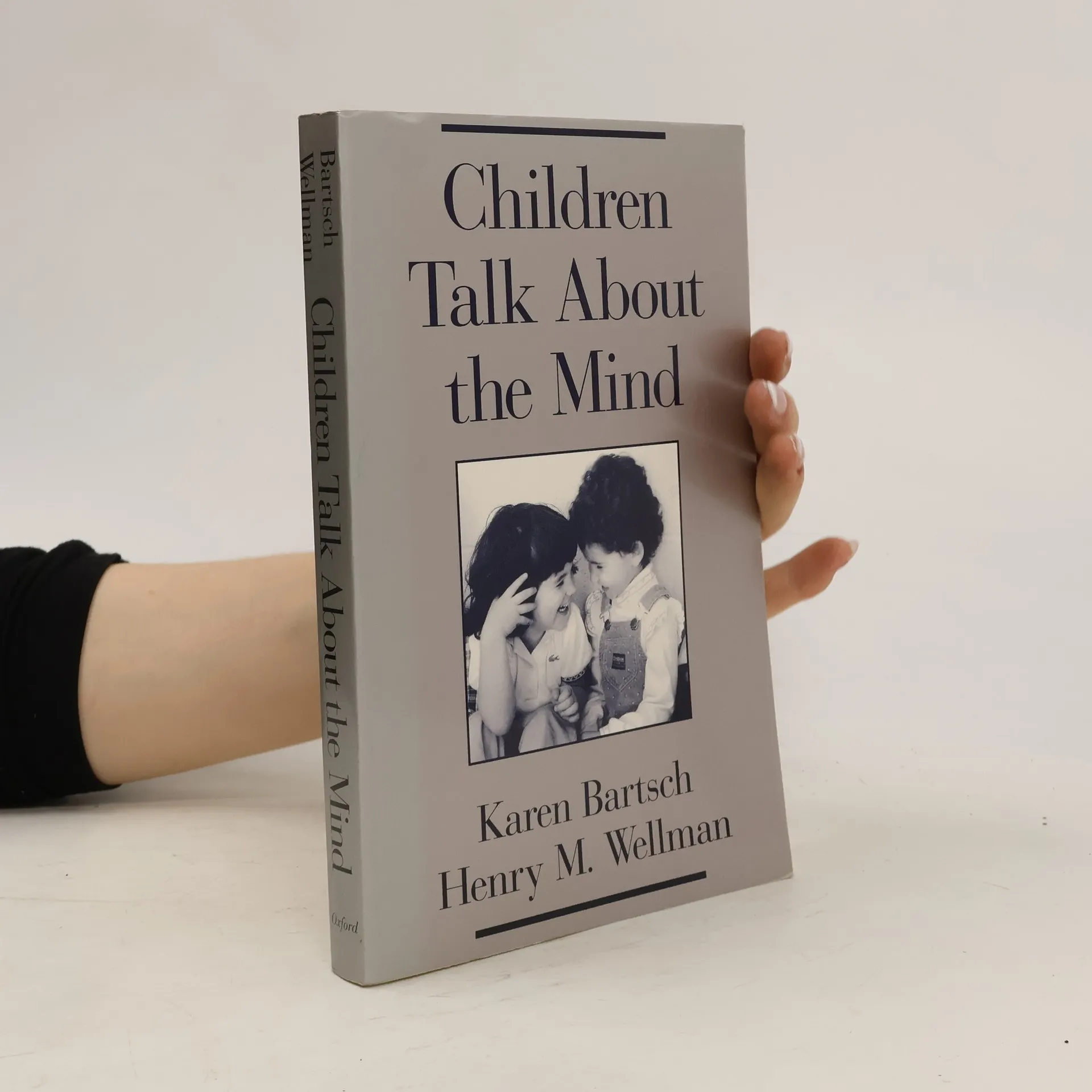
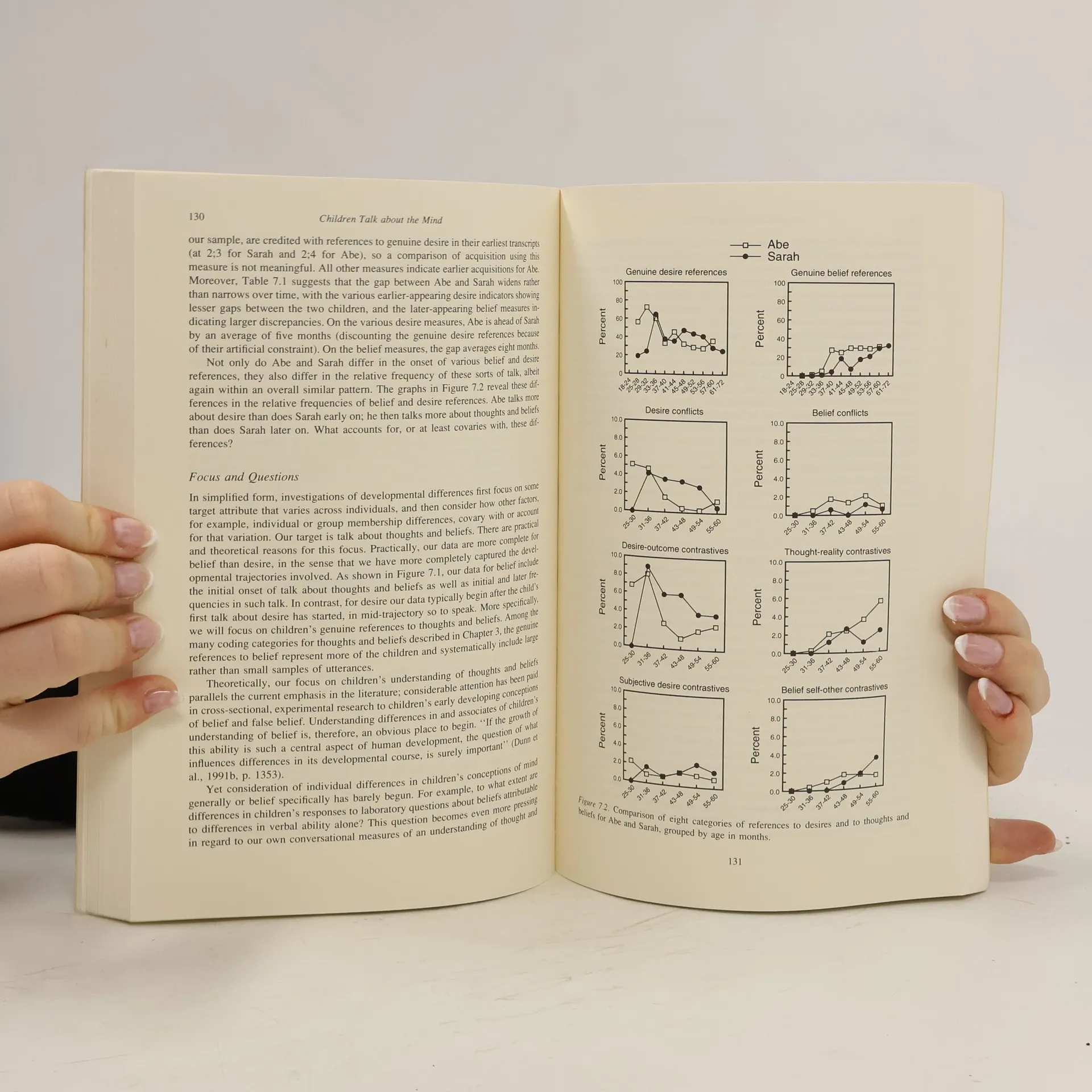
What, exactly, do children understand about the mind? And when does that understanding first emerge? In this groundbreaking book, Karen Bartsch and Henry Wellman answer these questions and much more by taking a probing look at what children themselves have to tell us about their evolving conceptions of people and their mental lives. By examining more than 200,000 everyday conversations (sampled from ten children between the ages of two and five years), the authors advance a comprehensive "naive theory of mind" that incorporates both early desire and belief-desire theories to trace childhood development through its several stages. Throughout, the book offers a splendidly written account of extensive original findings and critical new insights that will be eagerly read by students and researchers in developmental psychology, cognitive psychology, philosophy, and psycholinguistics.
Compra de libros
Children Talk about the Mind, Karen Bartsch, Wellman Henry M.
- Idioma

- Publicado en
- 1997
- Encuadernación
- (Tapa blanda)
Métodos de pago
Nos falta tu reseña aquí
- Título
- Children Talk about the Mind
- Idioma
- Inglés
- Autores
- Karen Bartsch, Wellman Henry M.
- Editorial
- Oxford University Press
- Publicado en
- 1997
- Formato
- Tapa blanda
- ISBN10
- 019511566X
- ISBN13
- 9780195115666
- Serie
- Etiquetas
- Temas psicológicos
- Calificación
- 3,5 de 5
- Descripción
- What, exactly, do children understand about the mind? And when does that understanding first emerge? In this groundbreaking book, Karen Bartsch and Henry Wellman answer these questions and much more by taking a probing look at what children themselves have to tell us about their evolving conceptions of people and their mental lives. By examining more than 200,000 everyday conversations (sampled from ten children between the ages of two and five years), the authors advance a comprehensive "naive theory of mind" that incorporates both early desire and belief-desire theories to trace childhood development through its several stages. Throughout, the book offers a splendidly written account of extensive original findings and critical new insights that will be eagerly read by students and researchers in developmental psychology, cognitive psychology, philosophy, and psycholinguistics.