

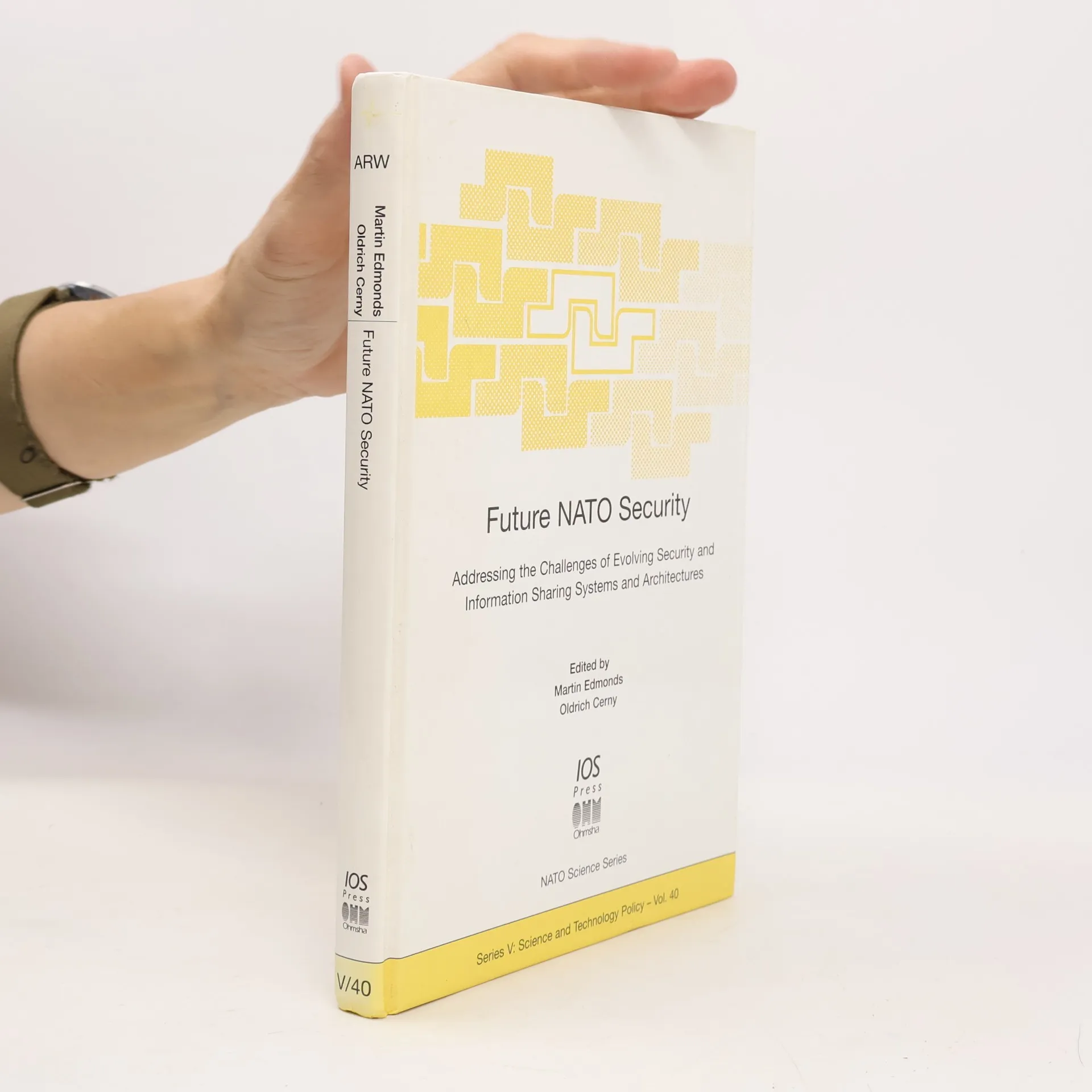


Future NATO Security
Autores
Más información sobre el libro
NATO has years of intellectual and practical international security investment and is committed to addressing new threats, including that of trans-national terrorism, under the 1999 New Strategic Concept. Through the legacy of Cold War functions and responses, however, some mechanisms can be inhibited and lack the necessary innovation to operate as effectively as they should, especially in pressing current circumstances. In particular the lack of working experience between military forces and domestic policing when addressing trans-national terrorist and other threats to today's society became evident and demanded a fresh approach and novel, innovative ideas within NATO circles to compensate. It was recommended unanimously that:1) the 'Vilemov Group' should reconvene again in 2003 with an agenda of further deliverables and objectives. 2) A NATO Core Advisory Group on NATO Future Security should convene in Brussels later in the year. It should provide a scientific method for the development of new concepts, focusing on processes for NATO to better achieve convergence between security means and ends. Making use possibly of the Long-Term Scientific Study (LTSS) format, it should address security-related issues such as redefining terminology, surveys, audit and identification of NATO centres, resources, assets and agencies, and external groups, including NGOs.
Compra de libros
Future NATO Security, Martin Edmonds
- Idioma

- Publicado en
- 2004
- Encuadernación
- (Tapa dura),
- Estado del libro
- Bueno
- Precio
- 8,99 €
Métodos de pago
Nadie lo ha calificado todavía.
- Título
- Future NATO Security
- Idioma
- Inglés
- Autores
- Martin Edmonds
- Editorial
- IOS Press
- Publicado en
- 2004
- Formato
- Tapa dura
- Páginas
- 168
- ISBN10
- 1586033921
- ISBN13
- 9781586033927
- Serie
- Etiquetas
- Descripción
- NATO has years of intellectual and practical international security investment and is committed to addressing new threats, including that of trans-national terrorism, under the 1999 New Strategic Concept. Through the legacy of Cold War functions and responses, however, some mechanisms can be inhibited and lack the necessary innovation to operate as effectively as they should, especially in pressing current circumstances. In particular the lack of working experience between military forces and domestic policing when addressing trans-national terrorist and other threats to today's society became evident and demanded a fresh approach and novel, innovative ideas within NATO circles to compensate. It was recommended unanimously that:1) the 'Vilemov Group' should reconvene again in 2003 with an agenda of further deliverables and objectives. 2) A NATO Core Advisory Group on NATO Future Security should convene in Brussels later in the year. It should provide a scientific method for the development of new concepts, focusing on processes for NATO to better achieve convergence between security means and ends. Making use possibly of the Long-Term Scientific Study (LTSS) format, it should address security-related issues such as redefining terminology, surveys, audit and identification of NATO centres, resources, assets and agencies, and external groups, including NGOs.