

Parámetros
- 336 páginas
- 12 horas de lectura
Más información sobre el libro
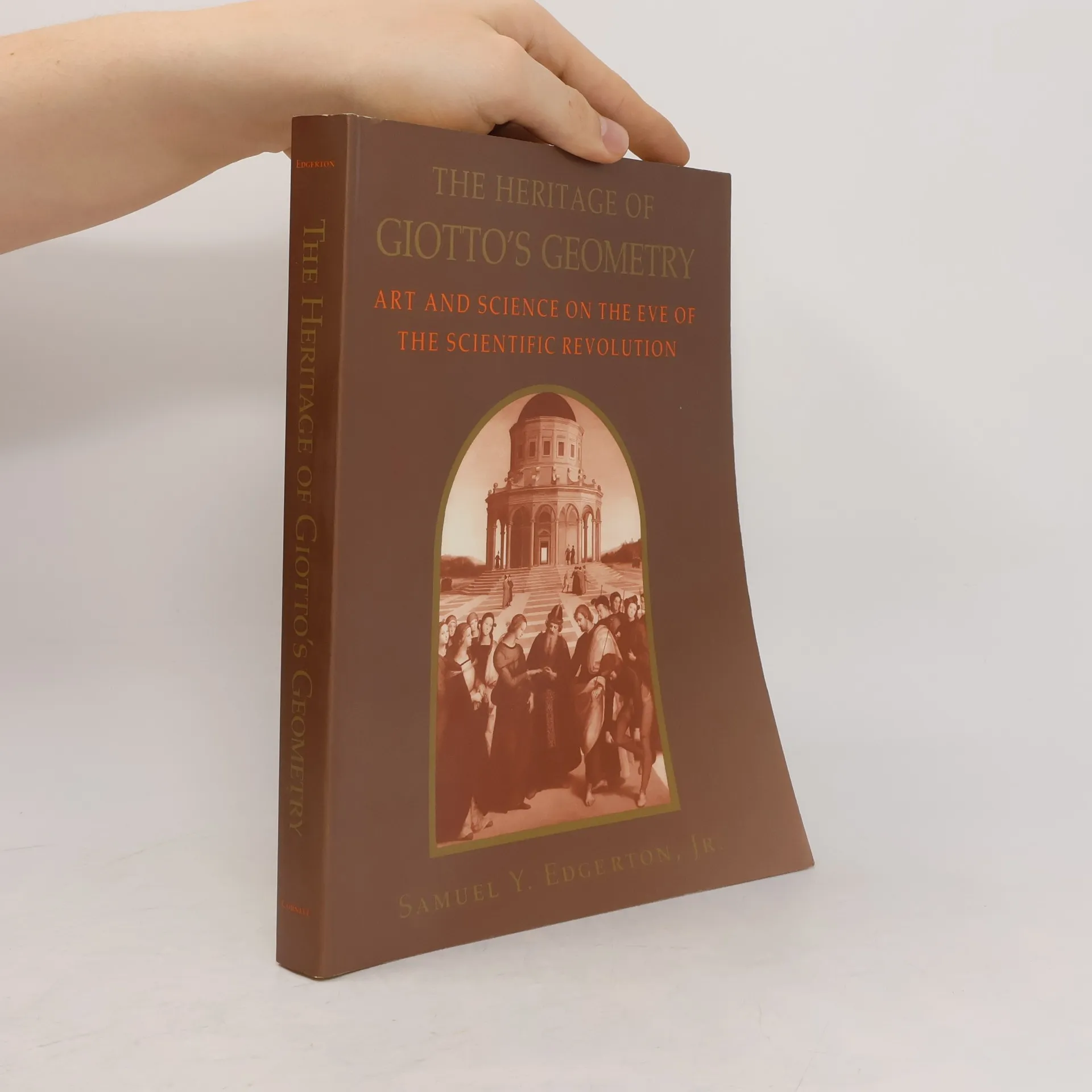
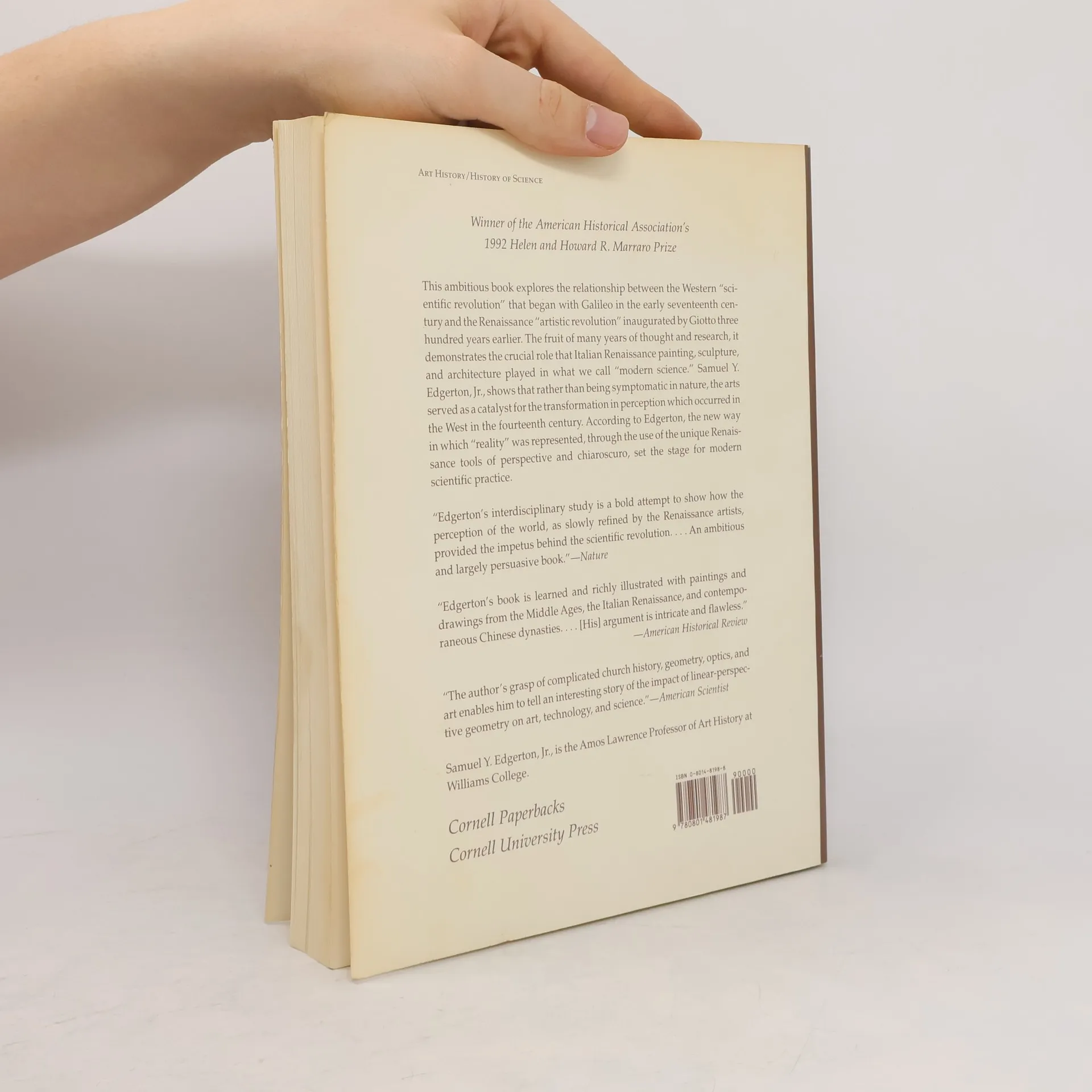
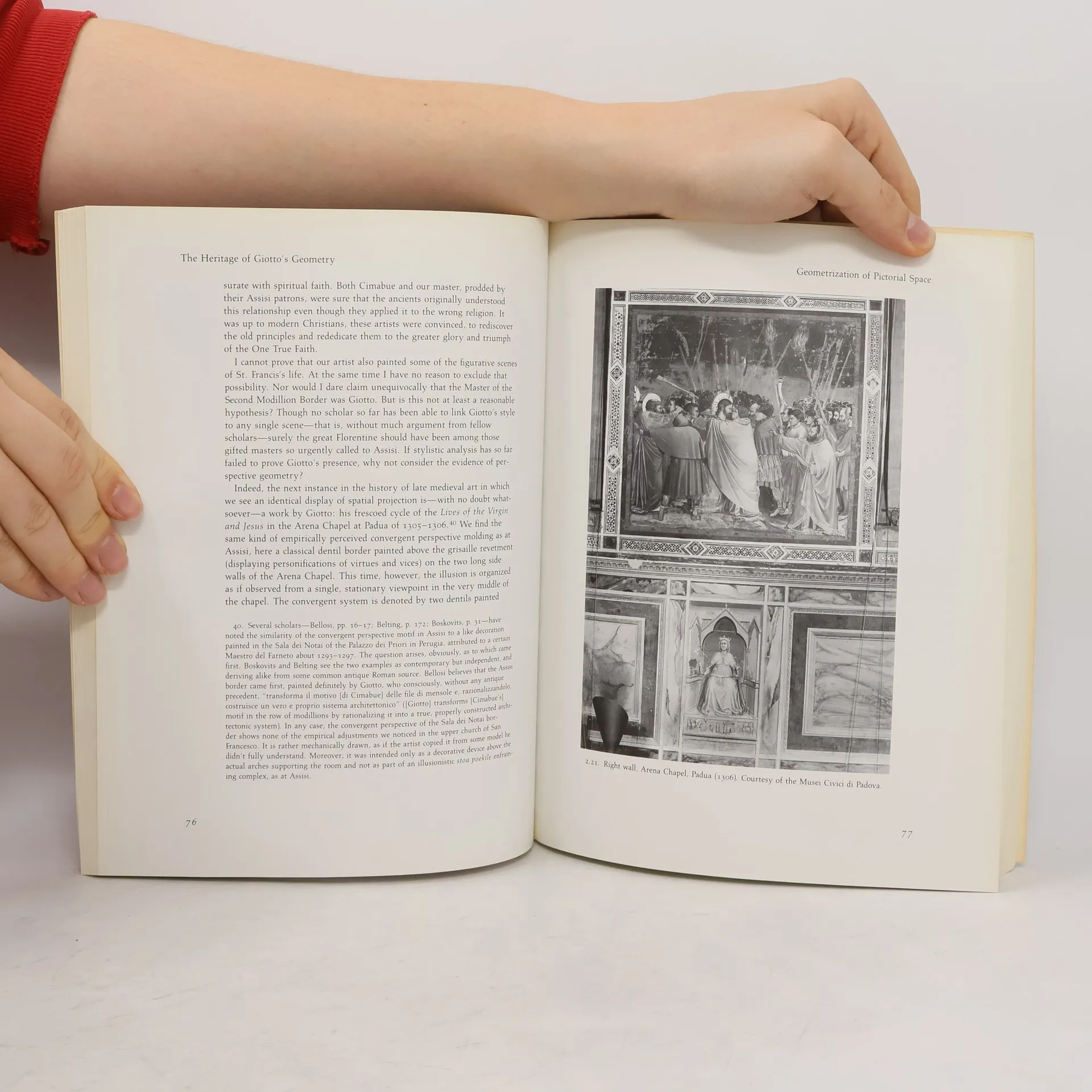
This ambitious book explores the relationship between the Western "scientific revolution" that began with Galileo in the early seventeenth century and the Renaissance "artistic revolution" inaugurated by Giotto three hundred years earlier. The fruit of many years of thought and research, it demonstrates the crucial role that Italian Renaissance painting, sculpture, and architecture played in what we call "modern science." Samuel Y. Edgerton, Jr., shows that rather than being symptomatic in nature, the arts served as a catalyst for the transformation in perception which occurred in the West in the fourteenth century. According to Edgerton, the new way in which "reality" was represented, through the use of the unique Renaissance tools of perspective and chiaroscuro, set the stage for modern scientific practice.
Compra de libros
The Heritage of Giotto's Geometry, Samuel Y. Edgerton
- Idioma

- Publicado en
- 1991
- Encuadernación
- (Tapa blanda)
Métodos de pago
Nos falta tu reseña aquí
- Título
- The Heritage of Giotto's Geometry
- Idioma
- Inglés
- Autores
- Samuel Y. Edgerton
- Editorial
- Cornell University Press
- Publicado en
- 1991
- Formato
- Tapa blanda
- Páginas
- 336
- ISBN10
- 0801481988
- ISBN13
- 9780801481987
- Serie
- Categorías
- Calificación
- 4,85 de 5
- Descripción
- This ambitious book explores the relationship between the Western "scientific revolution" that began with Galileo in the early seventeenth century and the Renaissance "artistic revolution" inaugurated by Giotto three hundred years earlier. The fruit of many years of thought and research, it demonstrates the crucial role that Italian Renaissance painting, sculpture, and architecture played in what we call "modern science." Samuel Y. Edgerton, Jr., shows that rather than being symptomatic in nature, the arts served as a catalyst for the transformation in perception which occurred in the West in the fourteenth century. According to Edgerton, the new way in which "reality" was represented, through the use of the unique Renaissance tools of perspective and chiaroscuro, set the stage for modern scientific practice.