

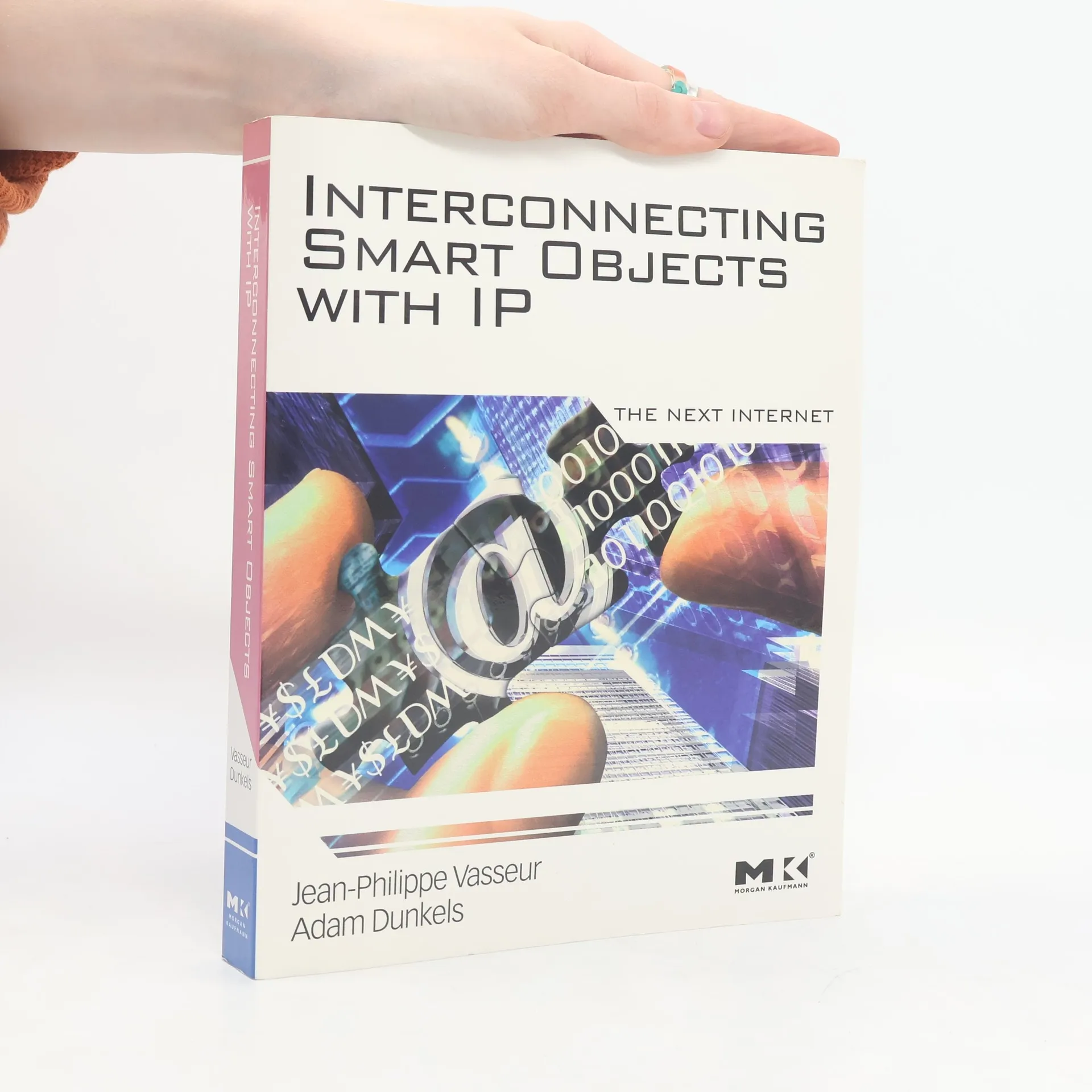
Interconnecting smart objects with IP the next Internet
Valoración del libro
Parámetros
Más información sobre el libro
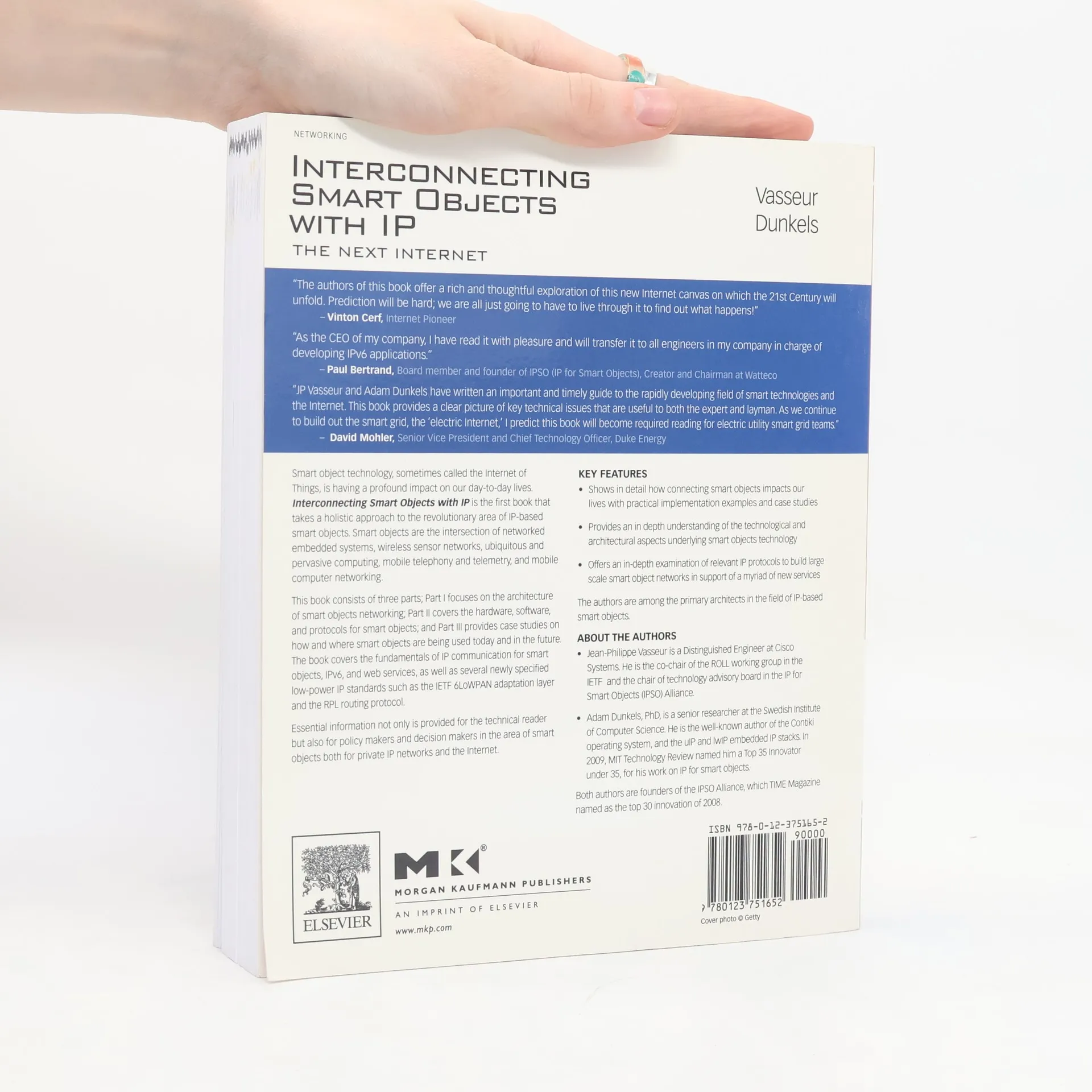
Interconnecting Smart Objects with The Next Internet explains why the Internet Protocol (IP) has become the protocol of choice for smart object networks. IP has successfully demonstrated the ability to interconnect billions of digital systems on the global Internet and in private IP networks. Once smart objects can be easily interconnected, a whole new class of smart object systems can begin to evolve. The book discusses how IP-based smart object networks are being designed and deployed. The book is organized into three parts. Part 1 demonstrates why the IP architecture is well suited to smart object networks, in contrast to non-IP based sensor network or other proprietary systems that interconnect to IP networks (e.g. the public Internet of private IP networks) via hard-to-manage and expensive multi-protocol translation gateways that scale poorly. Part 2 examines protocols and algorithms, including smart objects and the low power link layers technologies used in these networks. Part 3 describes the following smart object network smart grid, industrial automation, smart cities and urban networks, home automation, building automation, structural health monitoring, and container tracking.
Compra de libros
Interconnecting smart objects with IP the next Internet, JeanPhilippe Vasseur, Adam Dunkels
- Idioma

- Publicado en
- 2010
- Encuadernación
- (Tapa blanda)
Métodos de pago
Nos falta tu reseña aquí
- Título
- Interconnecting smart objects with IP the next Internet
- Idioma
- Inglés
- Autores
- JeanPhilippe Vasseur, Adam Dunkels
- Editorial
- Elsevier
- Publicado en
- 2010
- Formato
- Tapa blanda
- ISBN10
- 0123751659
- ISBN13
- 9780123751652
- Serie
- Etiquetas
- Calificación
- 3,5 de 5
- Descripción
- Interconnecting Smart Objects with The Next Internet explains why the Internet Protocol (IP) has become the protocol of choice for smart object networks. IP has successfully demonstrated the ability to interconnect billions of digital systems on the global Internet and in private IP networks. Once smart objects can be easily interconnected, a whole new class of smart object systems can begin to evolve. The book discusses how IP-based smart object networks are being designed and deployed. The book is organized into three parts. Part 1 demonstrates why the IP architecture is well suited to smart object networks, in contrast to non-IP based sensor network or other proprietary systems that interconnect to IP networks (e.g. the public Internet of private IP networks) via hard-to-manage and expensive multi-protocol translation gateways that scale poorly. Part 2 examines protocols and algorithms, including smart objects and the low power link layers technologies used in these networks. Part 3 describes the following smart object network smart grid, industrial automation, smart cities and urban networks, home automation, building automation, structural health monitoring, and container tracking.