



Parámetros
- 483 páginas
- 17 horas de lectura
Más información sobre el libro
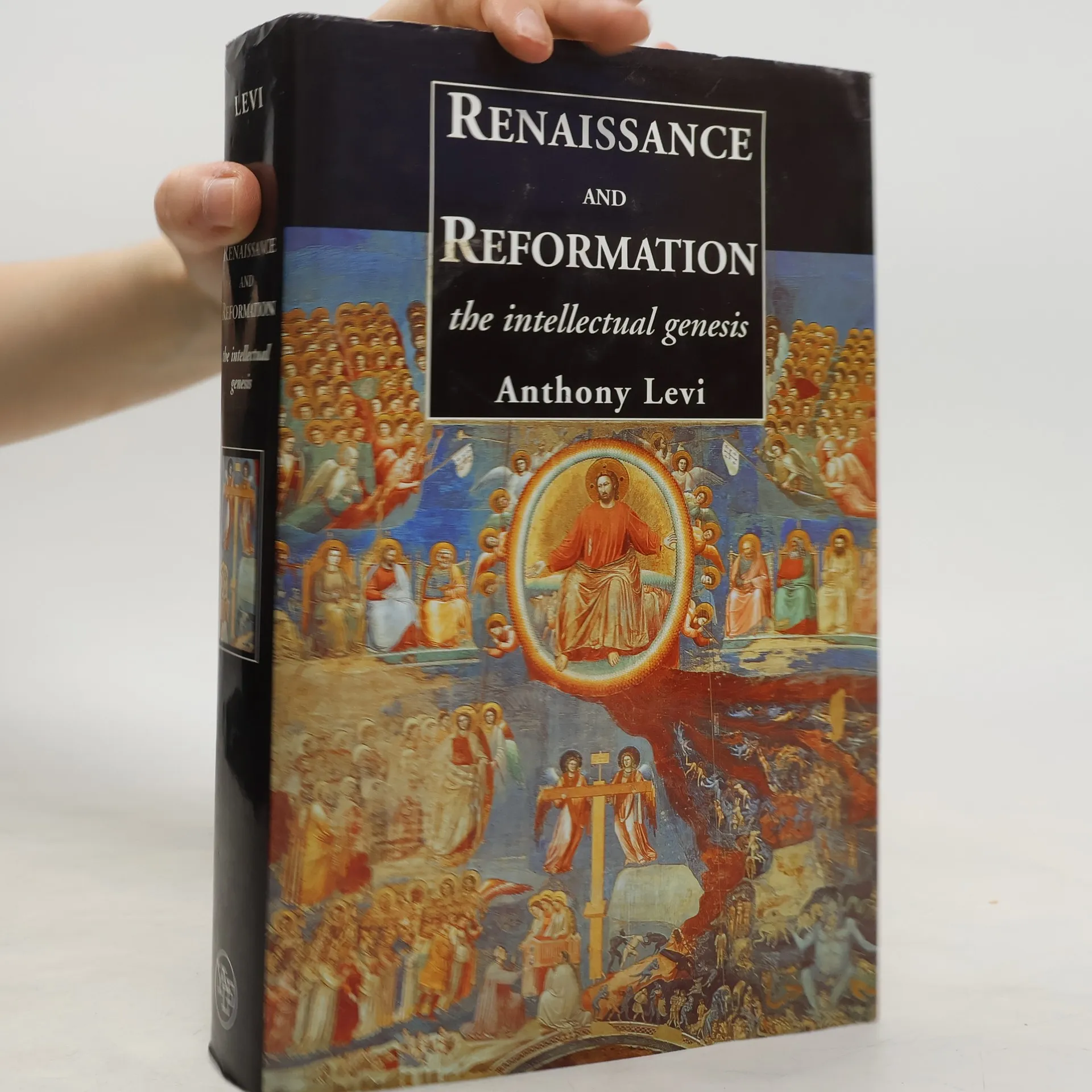
A survey of the development of European intellectual culture between about 1350 and 1550. Anthony Levi seeks to offer a fresh view of the Renaissance and the Reformation, calling for a reassessment of the nature of both. Through a detailed examination of the significant intellectual, spiritual and ideological developments across Europe during this period, Levi disputes the discontinuities commonly understood to explain and defend the events we term the Renaissance and the Reformation. He argues that the renewed cult of the literary, visual and educational norms of classical antiquity were a consequence - not the essence or cause - of the Renaissance. Further, the Reformation emerged from a cultural movement that neither constituted a historical discontinuity nor led to the catastrophic religious clashes of the 16th century.
Compra de libros
Renaissance and Reformation, Levi Anthony
- Idioma

- Publicado en
- 2002
- Encuadernación
- (Tapa dura)
Métodos de pago
Nadie lo ha calificado todavía.
- Título
- Renaissance and Reformation
- Subtítulo
- The Intellectual Genesis
- Idioma
- Inglés
- Autores
- Levi Anthony
- Editorial
- Yale Books
- Publicado en
- 2002
- Formato
- Tapa dura
- Páginas
- 483
- ISBN10
- 0300093330
- ISBN13
- 9780300093339
- Serie
- Descripción
- A survey of the development of European intellectual culture between about 1350 and 1550. Anthony Levi seeks to offer a fresh view of the Renaissance and the Reformation, calling for a reassessment of the nature of both. Through a detailed examination of the significant intellectual, spiritual and ideological developments across Europe during this period, Levi disputes the discontinuities commonly understood to explain and defend the events we term the Renaissance and the Reformation. He argues that the renewed cult of the literary, visual and educational norms of classical antiquity were a consequence - not the essence or cause - of the Renaissance. Further, the Reformation emerged from a cultural movement that neither constituted a historical discontinuity nor led to the catastrophic religious clashes of the 16th century.