


Más información sobre el libro
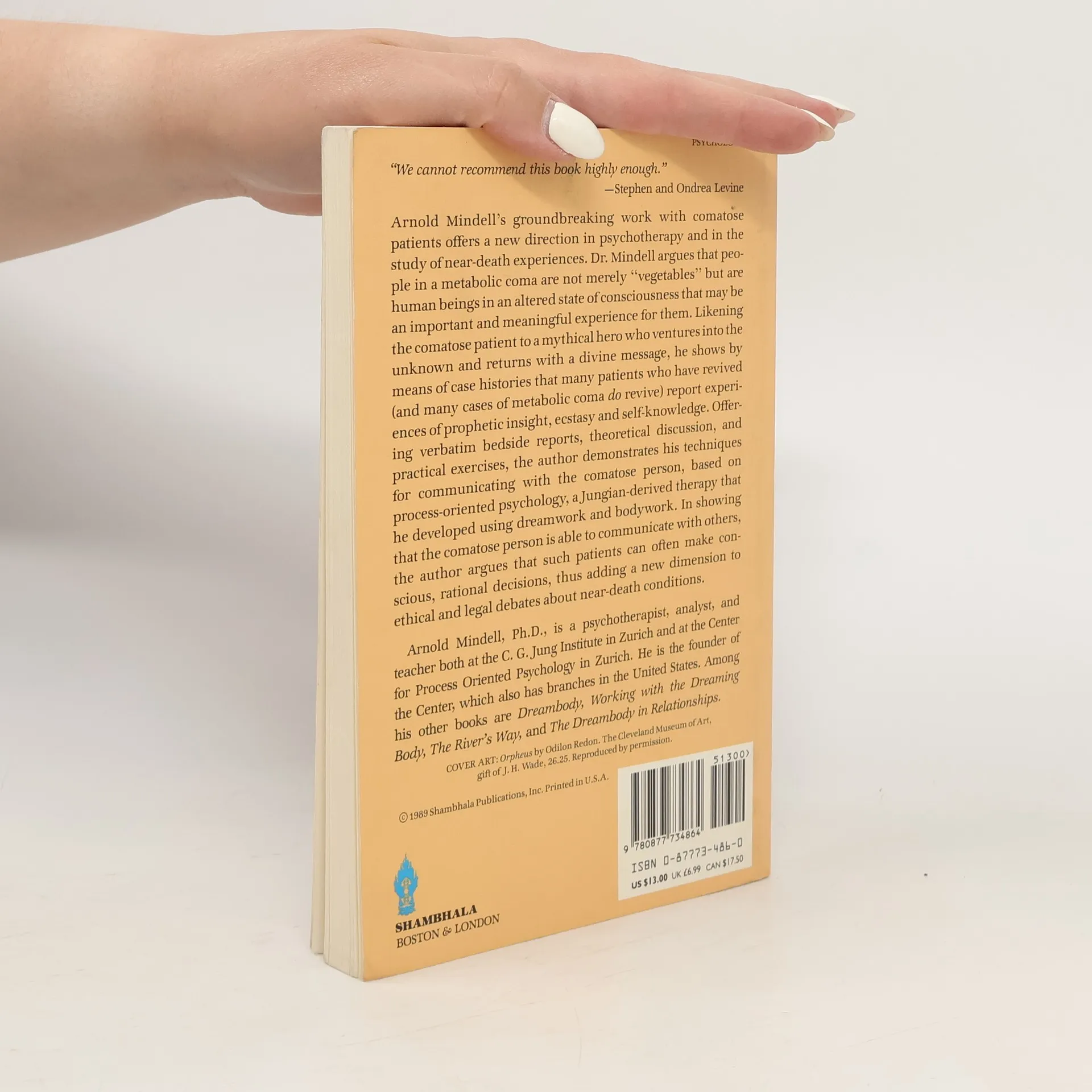
Arnold Mindell's work with comatose patients offers a new direction in psychotherapy and in the study of near-death experiences. He argues that people in such states are not merely vegetables, but human beings in an altered state of consciousness that may be an important experience for some report experiences of insight, ecstasy and self-knowledge. Offering verbatim bedside reports, theoretical discussion and practical exercises, the author demonstrates his techniques for communicating with the comatose person based on his own process-orientated psychology. In showing that the comatose person is able to communicate with others, the author argues that such patients can often make conscious, rational decisions, thus adding a new dimension to ethical and legal debates about near-death conditions.
Compra de libros
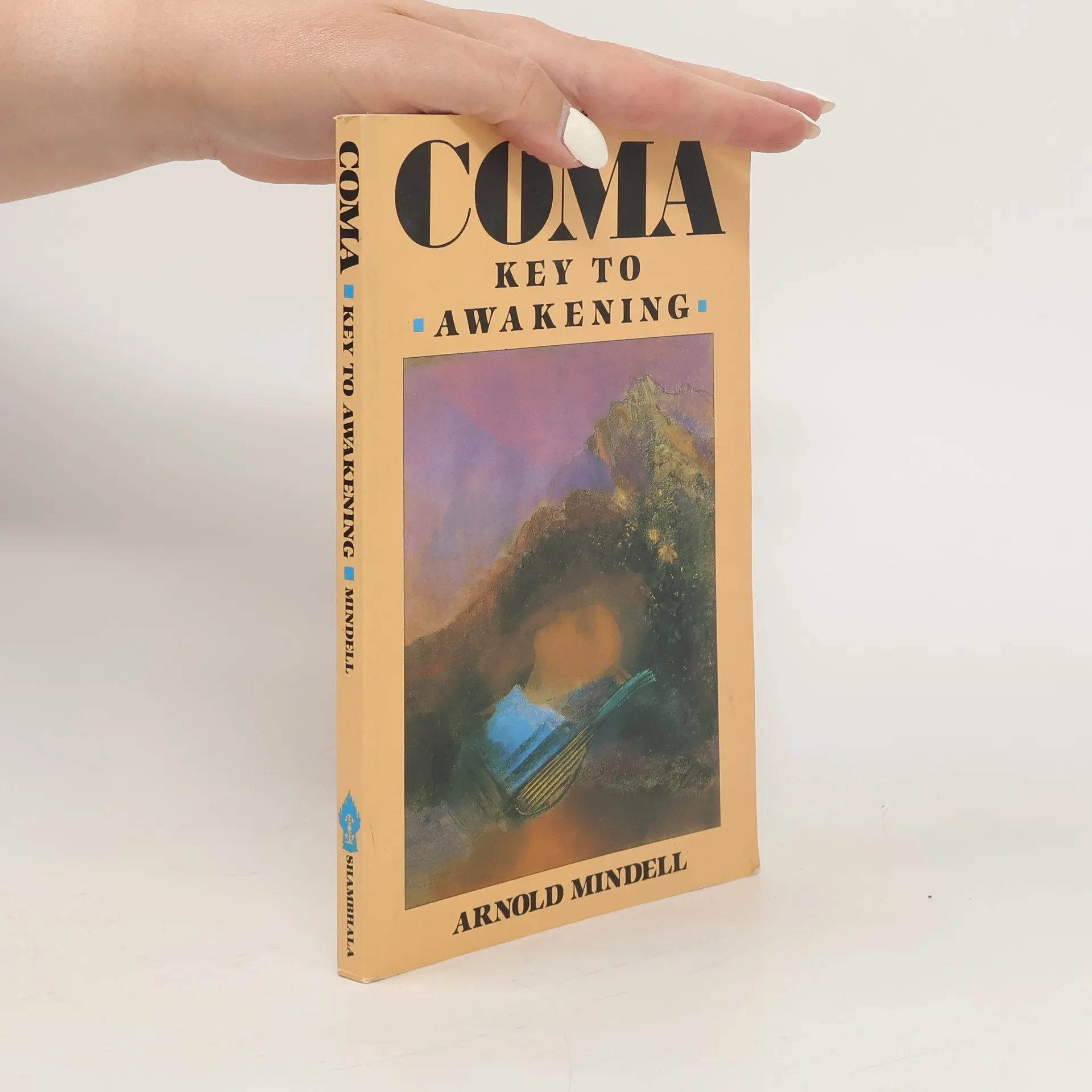
Coma, Arnold Mindell
- Idioma

- Publicado en
- 1989
- Encuadernación
- (Tapa blanda)
Métodos de pago
Nos falta tu reseña aquí
- Título
- Coma
- Subtítulo
- Key to Awakening
- Idioma
- Inglés
- Autores
- Arnold Mindell
- Editorial
- Shambhala Publications Inc
- Publicado en
- 1989
- Formato
- Tapa blanda
- Páginas
- 144
- ISBN10
- 0877734860
- ISBN13
- 9780877734864
- Serie
- Categorías
- Etiquetas
- Temas psicológicos
- Calificación
- 4,5 de 5
- Descripción
- Arnold Mindell's work with comatose patients offers a new direction in psychotherapy and in the study of near-death experiences. He argues that people in such states are not merely vegetables, but human beings in an altered state of consciousness that may be an important experience for some report experiences of insight, ecstasy and self-knowledge. Offering verbatim bedside reports, theoretical discussion and practical exercises, the author demonstrates his techniques for communicating with the comatose person based on his own process-orientated psychology. In showing that the comatose person is able to communicate with others, the author argues that such patients can often make conscious, rational decisions, thus adding a new dimension to ethical and legal debates about near-death conditions.