

Más información sobre el libro
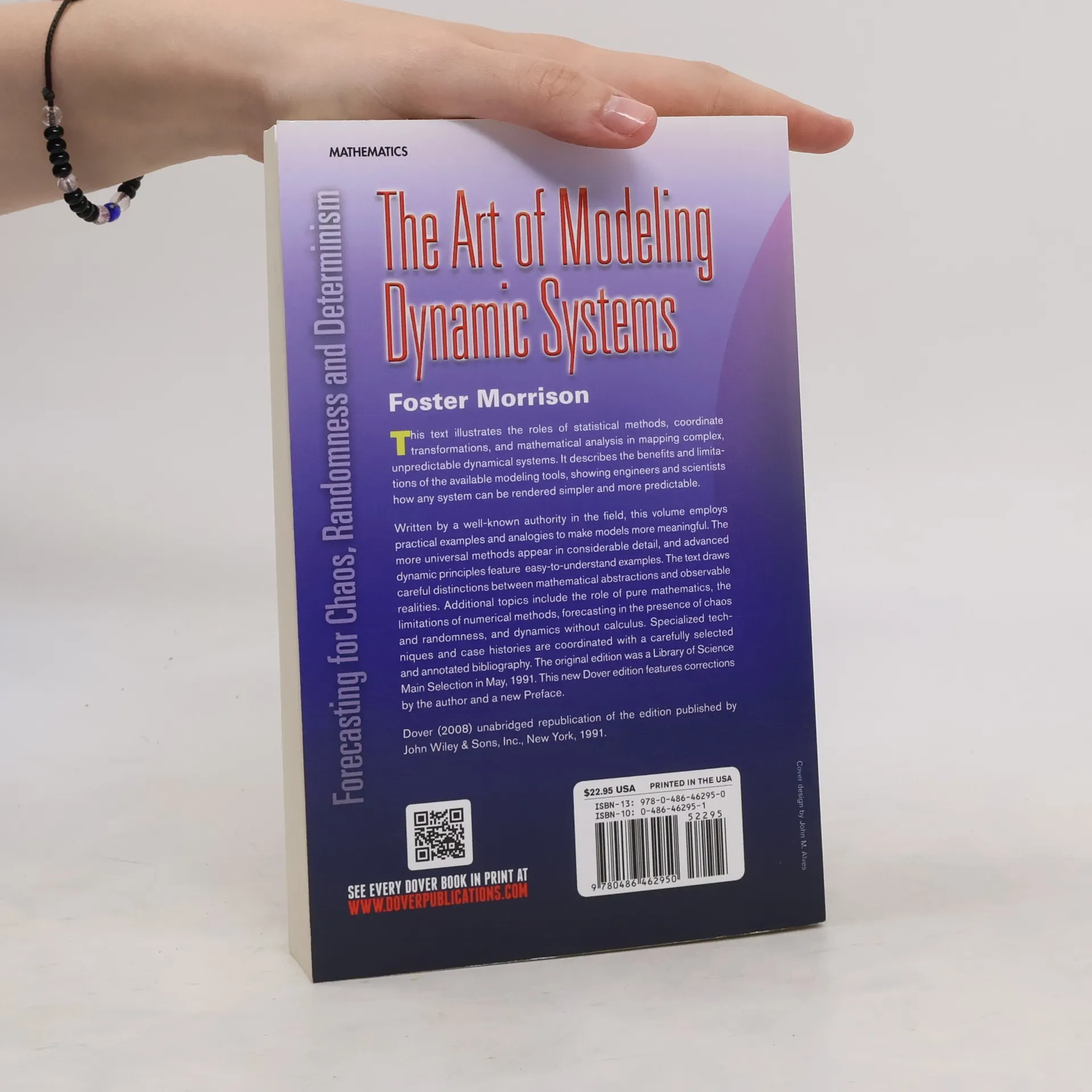
This text illustrates the roles of statistical methods, coordinate transformations, and mathematical analysis in mapping complex, unpredictable dynamical systems. It describes the benefits and limitations of the available modeling tools, showing engineers and scientists how any system can be rendered simpler and more predictable. Written by a well-known authority in the field, this volume employs practical examples and analogies to make models more meaningful. The more universal methods appear in considerable detail, and advanced dynamic principles feature easy-to-understand examples. The text draws careful distinctions between mathematical abstractions and observable realities. Additional topics include the role of pure mathematics, the limitations of numerical methods, forecasting in the presence of chaos and randomness, and dynamics without calculus. Specialized techniques and case histories are coordinated with a carefully selected and annotated bibliography. The original edition was a Library of Science Main Selection in May, 1991. This new Dover edition features corrections by the author and a new Preface.
Compra de libros
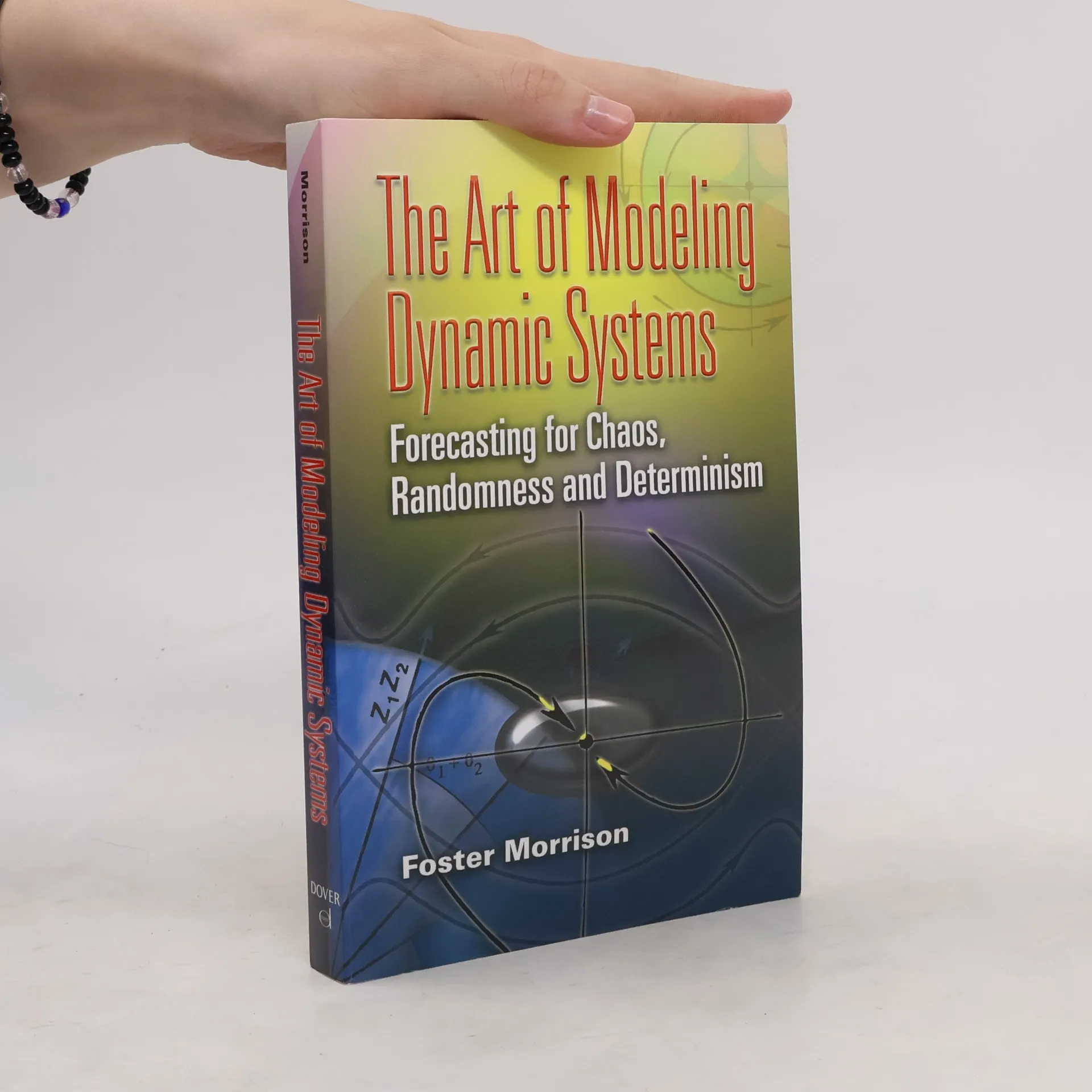
The Art of Modeling Dynamic Systems, Foster Morrison
- Idioma

- Publicado en
- 2008
- Encuadernación
- (Tapa blanda)
Métodos de pago
Nos falta tu reseña aquí
- Título
- The Art of Modeling Dynamic Systems
- Idioma
- Inglés
- Autores
- Foster Morrison
- Editorial
- Courier Corporation
- Publicado en
- 2008
- Formato
- Tapa blanda
- Páginas
- 416
- ISBN10
- 0486462951
- ISBN13
- 9780486462950
- Serie
- Categorías
- Calificación
- 4 de 5
- Descripción
- This text illustrates the roles of statistical methods, coordinate transformations, and mathematical analysis in mapping complex, unpredictable dynamical systems. It describes the benefits and limitations of the available modeling tools, showing engineers and scientists how any system can be rendered simpler and more predictable. Written by a well-known authority in the field, this volume employs practical examples and analogies to make models more meaningful. The more universal methods appear in considerable detail, and advanced dynamic principles feature easy-to-understand examples. The text draws careful distinctions between mathematical abstractions and observable realities. Additional topics include the role of pure mathematics, the limitations of numerical methods, forecasting in the presence of chaos and randomness, and dynamics without calculus. Specialized techniques and case histories are coordinated with a carefully selected and annotated bibliography. The original edition was a Library of Science Main Selection in May, 1991. This new Dover edition features corrections by the author and a new Preface.