


Más información sobre el libro
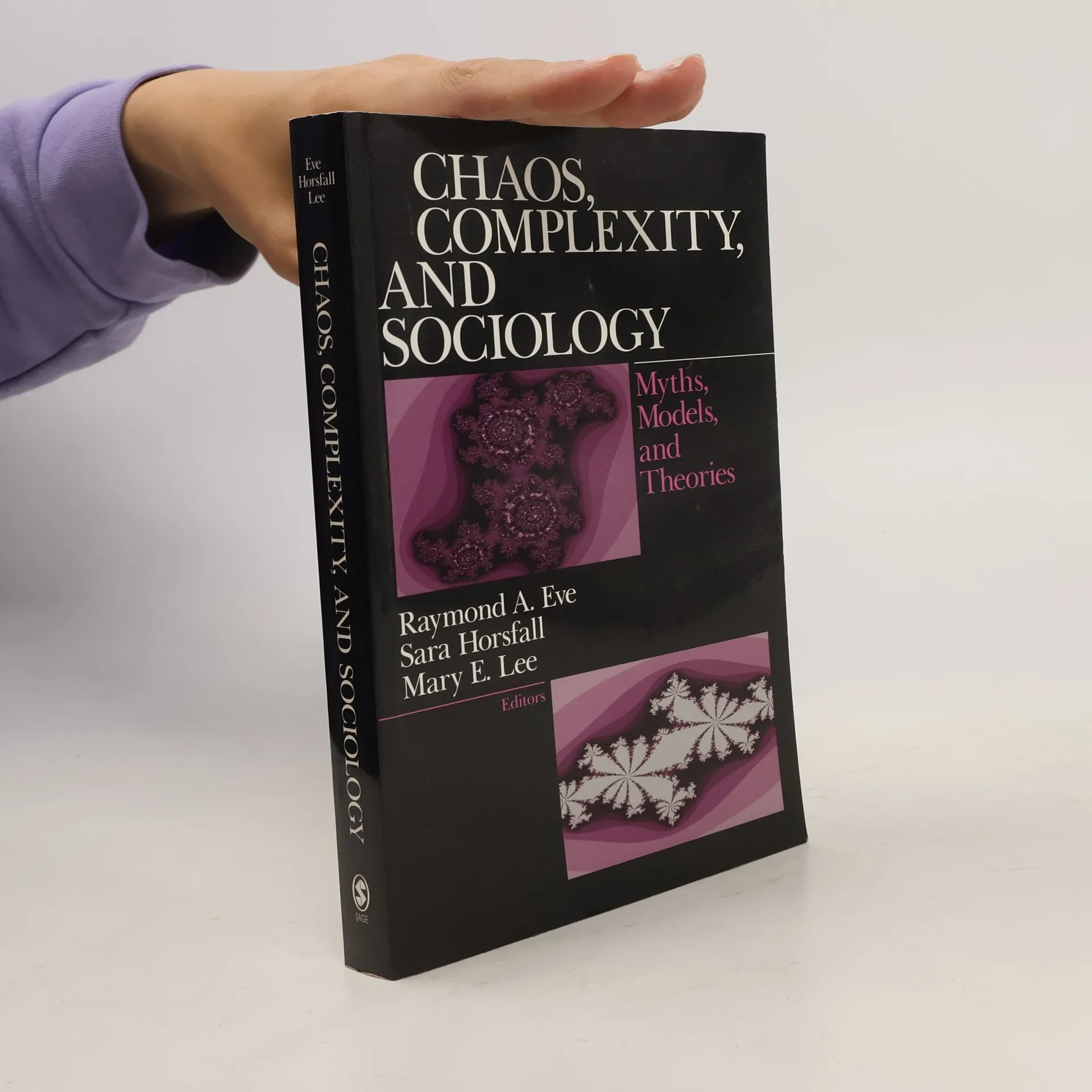
Chaos theory has firmly established itself in many of the physical sciences, such as geology and fluid dynamics. This edited volume helps locate this revolutionary theory in sociology as well as the other social sciences. Doors previously closed to social scientists may be opened by this dynamic theory, which attempts to capture movement and change in exciting new ways. Editors Raymond A. Eve, Sara Horsfall, and Mary Lee, with guidance from Editorial Advisor Frederick Turner, provide a timely and well-chosen collection of articles, which first examines the emerging myths and theories surrounding the study of chaos and complexity. In the volumeÆs second part, methodological matters are considered. Finally, conceptual models and applications are presented. "Postmodern science" has provided and refined conceptual tools that have special value for the social sciences. This perceptive and thorough volume will be useful to sociologists and other social scientists interested in chaos and complexity theory.
Compra de libros
Chaos, Complexity, and Sociology, Raymond A. Eve, Sara Horsfall, Mary E. Lee
- Idioma

- Publicado en
- 1997
- Encuadernación
- (Tapa blanda)
Métodos de pago
Nos falta tu reseña aquí
- Título
- Chaos, Complexity, and Sociology
- Subtítulo
- Myths, Models, and Theories
- Idioma
- Inglés
- Autores
- Raymond A. Eve, Sara Horsfall, Mary E. Lee
- Editorial
- Sage
- Publicado en
- 1997
- Formato
- Tapa blanda
- Páginas
- 364
- ISBN10
- 0761908900
- ISBN13
- 9780761908906
- Serie
- Categorías
- Etiquetas
- Caos
- Calificación
- 4,2 de 5
- Descripción
- Chaos theory has firmly established itself in many of the physical sciences, such as geology and fluid dynamics. This edited volume helps locate this revolutionary theory in sociology as well as the other social sciences. Doors previously closed to social scientists may be opened by this dynamic theory, which attempts to capture movement and change in exciting new ways. Editors Raymond A. Eve, Sara Horsfall, and Mary Lee, with guidance from Editorial Advisor Frederick Turner, provide a timely and well-chosen collection of articles, which first examines the emerging myths and theories surrounding the study of chaos and complexity. In the volumeÆs second part, methodological matters are considered. Finally, conceptual models and applications are presented. "Postmodern science" has provided and refined conceptual tools that have special value for the social sciences. This perceptive and thorough volume will be useful to sociologists and other social scientists interested in chaos and complexity theory.