

Más información sobre el libro
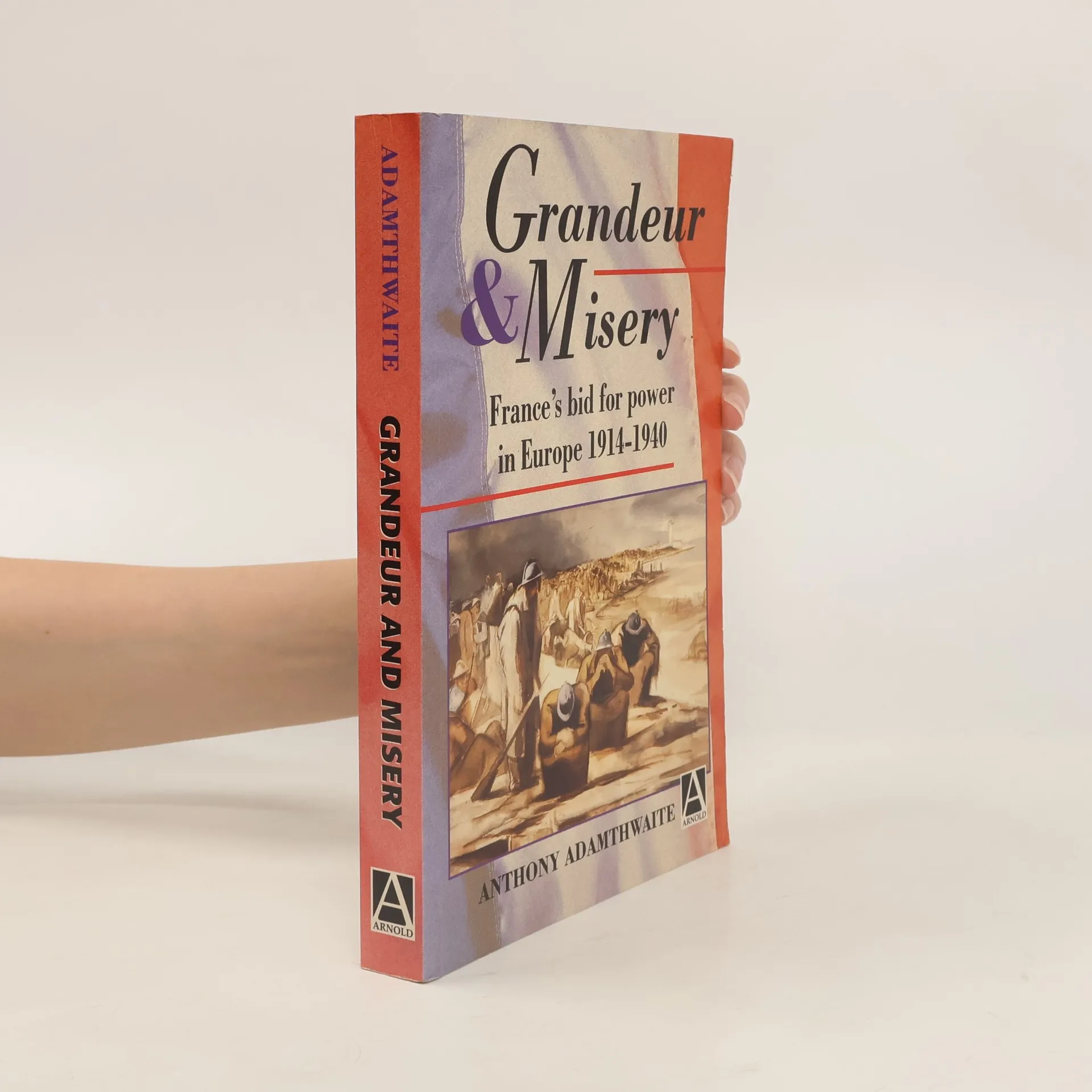
A central question in European history is how did a great power pre-eminent in 1918 lie defeated by the same enemy less than 20 years later. Until recently the explanation has been sought in fundamental weaknesses that could only leave the French of 1940 hamstrung and demoralized. Recent studies have challenged that view and now, for the first time, the revisionist approach is displayed in a single volume, both summarizing the research of others and drawing on the author's own work in the archives.The book is about as far from ‘dry as dust' diplomatic history as it's possible to get. Its very readable and the author manages to show with the telling anecdote that even a serious subject has its comic side: that, for instance, the French High Command kept forces stationed in the Alps for seven years because no one in the foreign service had thought to pass on news about a secret treaty between Italy and France in 1902; or that after a particularly stressful meeting Andrew Bonar Law, the British prime minister, mouth to Poincaré, the French president, through the closed carriage window of his train ‘and you go to hell', all the while smiling and exuding affability. Such episodes are not the substance of the book, but they oil its progress.
Compra de libros
Grandeur And Misery, Anthony Adamthwaite
- Idioma

- Publicado en
- 1995
- Encuadernación
- (Tapa blanda)
Métodos de pago
Nos falta tu reseña aquí
- Título
- Grandeur And Misery
- Idioma
- Inglés
- Autores
- Anthony Adamthwaite
- Editorial
- Bloomsbury Academic
- Publicado en
- 1995
- Formato
- Tapa blanda
- Páginas
- 296
- ISBN10
- 0713165766
- ISBN13
- 9780713165760
- Serie
- Etiquetas
- Tema histórico, Otra historia
- Calificación
- 3,35 de 5
- Descripción
- A central question in European history is how did a great power pre-eminent in 1918 lie defeated by the same enemy less than 20 years later. Until recently the explanation has been sought in fundamental weaknesses that could only leave the French of 1940 hamstrung and demoralized. Recent studies have challenged that view and now, for the first time, the revisionist approach is displayed in a single volume, both summarizing the research of others and drawing on the author's own work in the archives.The book is about as far from ‘dry as dust' diplomatic history as it's possible to get. Its very readable and the author manages to show with the telling anecdote that even a serious subject has its comic side: that, for instance, the French High Command kept forces stationed in the Alps for seven years because no one in the foreign service had thought to pass on news about a secret treaty between Italy and France in 1902; or that after a particularly stressful meeting Andrew Bonar Law, the British prime minister, mouth to Poincaré, the French president, through the closed carriage window of his train ‘and you go to hell', all the while smiling and exuding affability. Such episodes are not the substance of the book, but they oil its progress.