

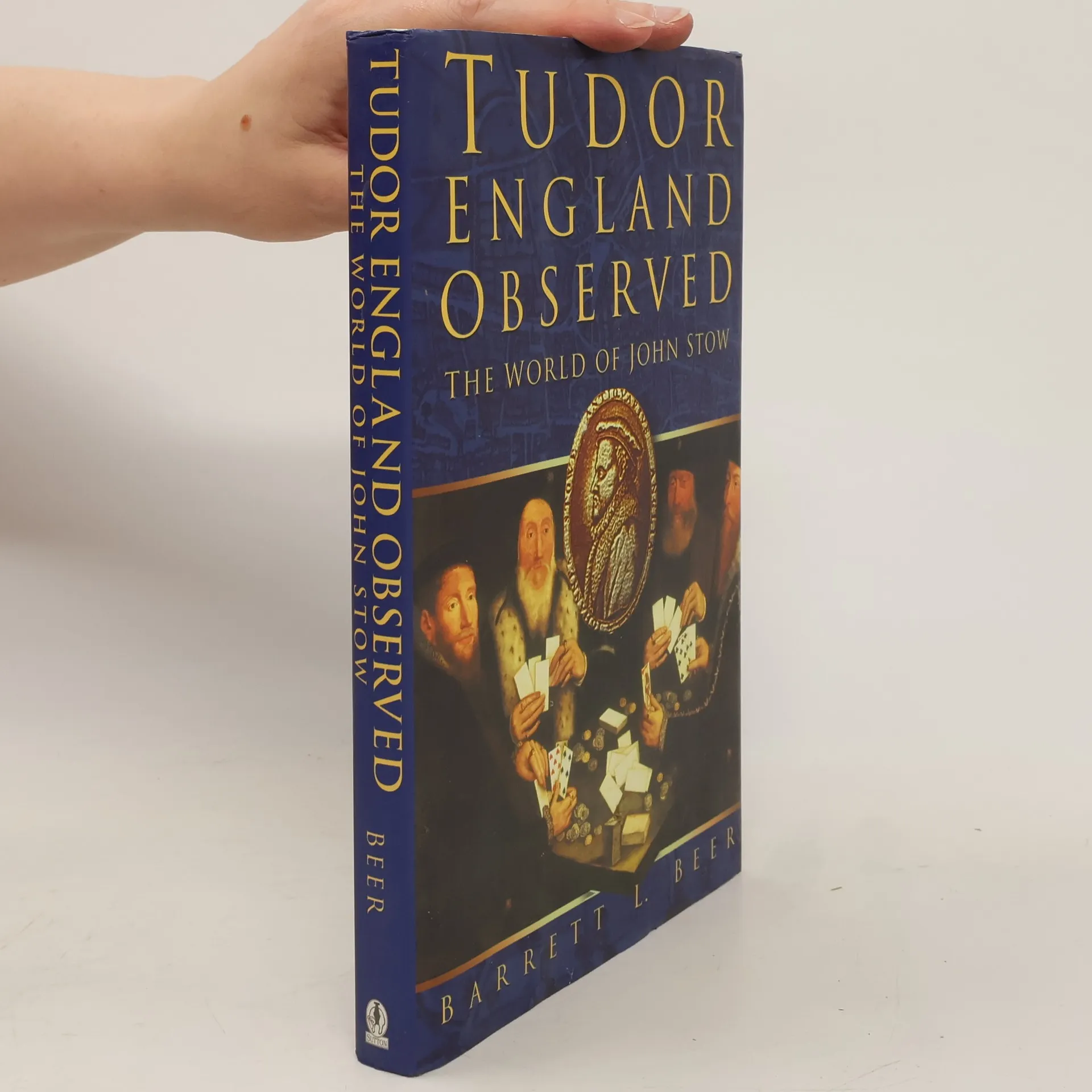
Más información sobre el libro
John Stow was born in London in 1525. A moderate Protestant of the first generation, he lived through the reigns of Henry VIII, Edward VI and Elizabeth I and witnessed the coronation of the first Stuart monarch, James I. Stow's great achievement and legacy to us were his two books, Annales of England (1605) and, most famously, A Survey of London (1895). Looking at sixteenth-century England through the eyes of this literate, inquisitive and knowledgeable citizen of London, Barrett Beer presents us with a view of England quite different from traditional received interpretations. Drawing on Stow's uniquely common touch - no other contemporary chronicler stood so close to ordinary men and women - Beer reconstructs the popular perception of current affairs and history, affording us an unprecedented synthesis of Tudor history, thought and attitudes and allowing us a more informed insight into all aspects of sixteenth-century life.
Compra de libros
Tudor England Observed, Barrett L. Beer
- Idioma

- Publicado en
- 1998
- Encuadernación
- (Tapa dura)
Métodos de pago
Nadie lo ha calificado todavía.
- Título
- Tudor England Observed
- Subtítulo
- The World of John Stow
- Idioma
- Inglés
- Autores
- Barrett L. Beer
- Editorial
- Alan Sutton Publishing
- Publicado en
- 1998
- Formato
- Tapa dura
- Páginas
- 232
- Serie
- Etiquetas
- Tema histórico, Inglaterra, Siglo XVI, Historia de Inglaterra
- Descripción
- John Stow was born in London in 1525. A moderate Protestant of the first generation, he lived through the reigns of Henry VIII, Edward VI and Elizabeth I and witnessed the coronation of the first Stuart monarch, James I. Stow's great achievement and legacy to us were his two books, Annales of England (1605) and, most famously, A Survey of London (1895). Looking at sixteenth-century England through the eyes of this literate, inquisitive and knowledgeable citizen of London, Barrett Beer presents us with a view of England quite different from traditional received interpretations. Drawing on Stow's uniquely common touch - no other contemporary chronicler stood so close to ordinary men and women - Beer reconstructs the popular perception of current affairs and history, affording us an unprecedented synthesis of Tudor history, thought and attitudes and allowing us a more informed insight into all aspects of sixteenth-century life.