

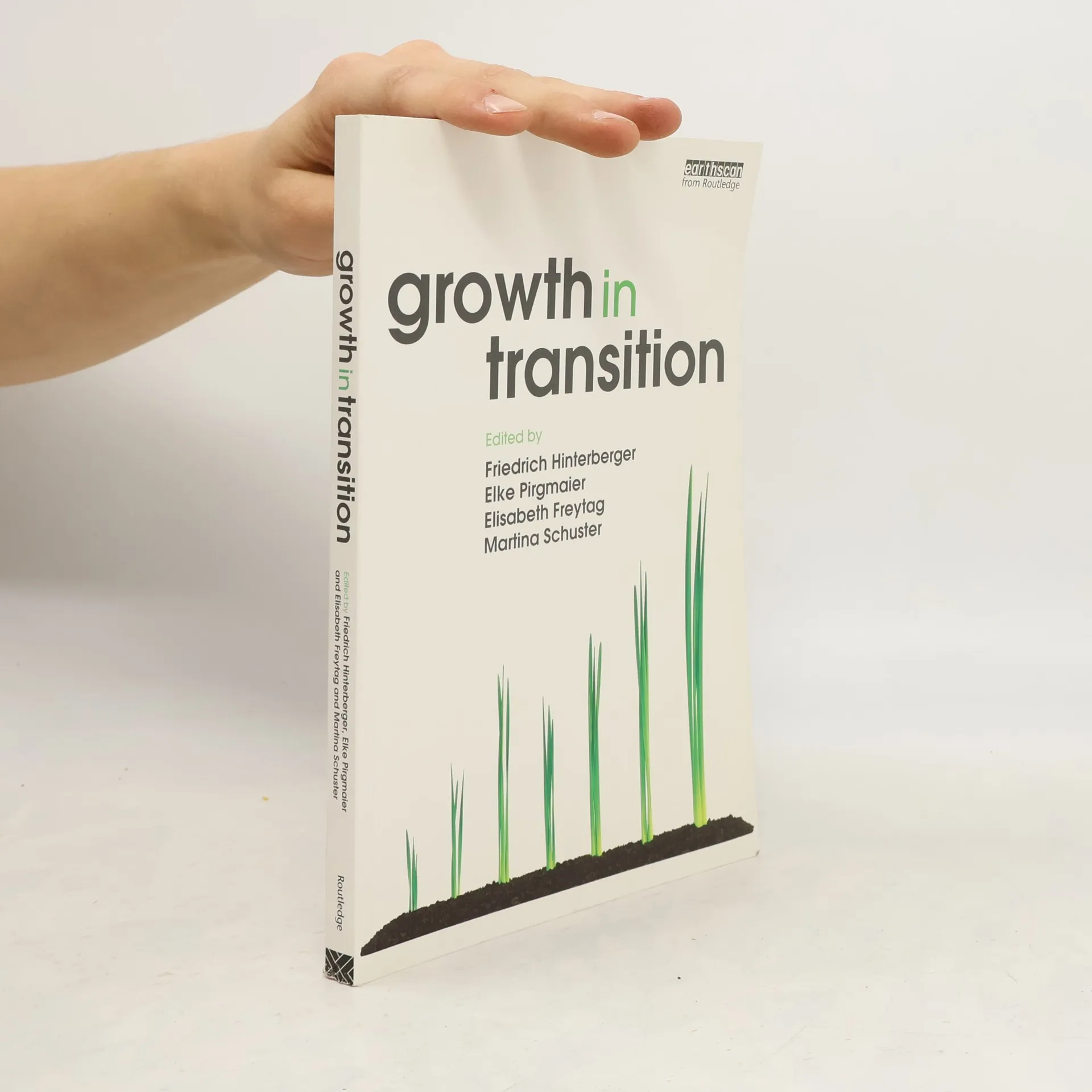

Growth in Transition
Parámetros
- 194 páginas
- 7 horas de lectura
Más información sobre el libro
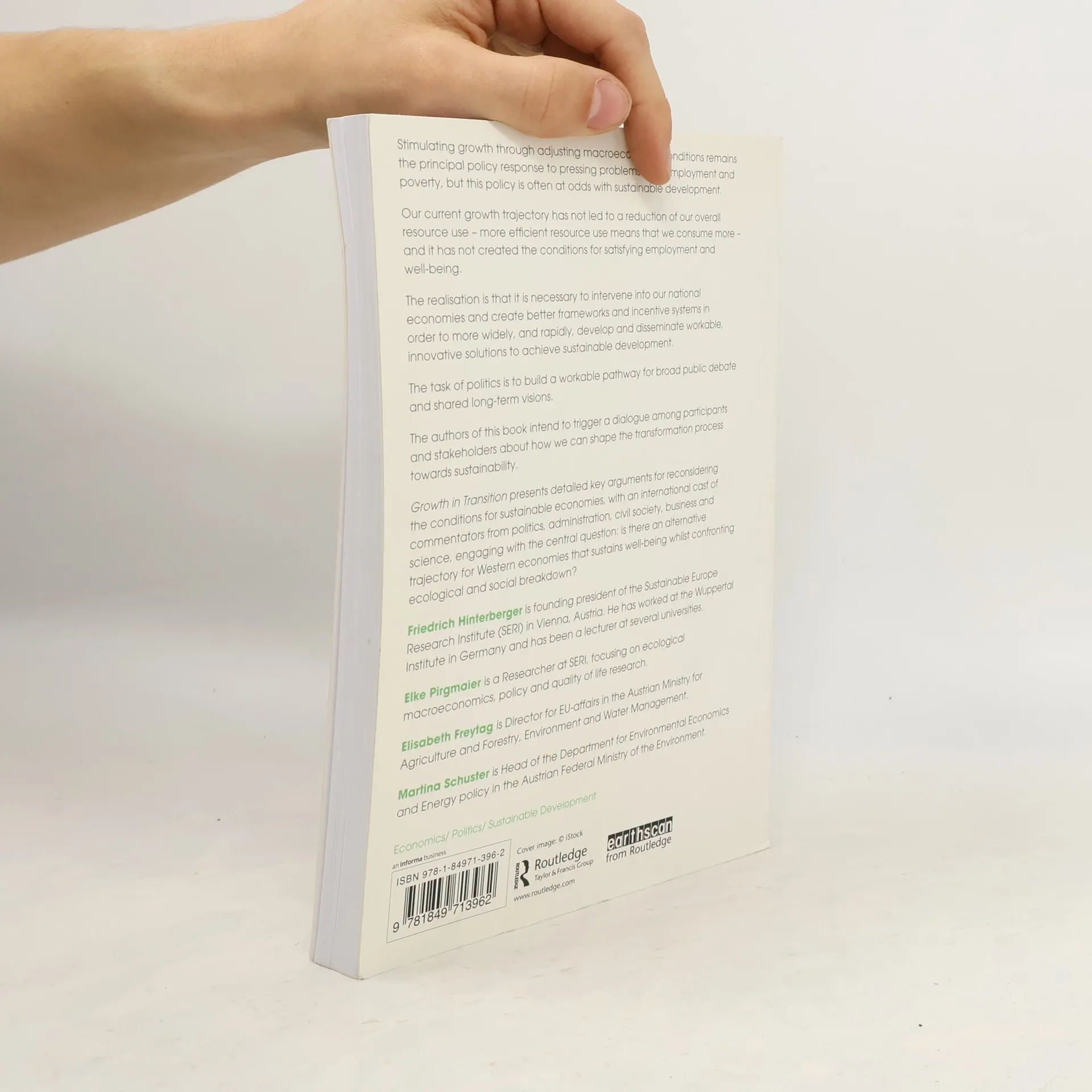
Stimulating growth through macroeconomic adjustments is the primary policy response to unemployment, poverty, and environmental degradation. However, the effectiveness of current approaches in generating win-win solutions is questionable, as they may contribute to these issues instead. The existing growth trajectory has not reduced overall resource use; rather, increased efficiency leads to greater consumption without improving employment and well-being. There is a growing recognition of the need for substantial interventions in national economies to create better conditions and incentives for developing and implementing sustainable solutions. This requires political action, guided by public debate and shared long-term visions. The authors aim to initiate a dialogue among stakeholders on shaping the transformation towards sustainability. They present key arguments for re-evaluating the conditions necessary for sustainable economies, inviting an international group of commentators from various sectors—politics, administration, civil society, business, and science—to engage with the critical question: can Western economies pursue an alternative trajectory that maintains well-being while addressing ecological and social crises?
Compra de libros
Growth in Transition, Elisabeth Freytag, Friedrich Hinterberger, Martina Schuster, Elke Pirgmaier
- Idioma

- Publicado en
- 2011
- Encuadernación
- (Tapa blanda)
Métodos de pago
Nadie lo ha calificado todavía.
- Título
- Growth in Transition
- Idioma
- Inglés
- Editorial
- Routledge
- Publicado en
- 2011
- Formato
- Tapa blanda
- Páginas
- 194
- ISBN10
- 1849713960
- ISBN13
- 9781849713962
- Serie
- Categorías
- Etiquetas
- Comercio, Problemas sociales, Sostenibilidad, Ciencias ambientales
- Descripción
- Stimulating growth through macroeconomic adjustments is the primary policy response to unemployment, poverty, and environmental degradation. However, the effectiveness of current approaches in generating win-win solutions is questionable, as they may contribute to these issues instead. The existing growth trajectory has not reduced overall resource use; rather, increased efficiency leads to greater consumption without improving employment and well-being. There is a growing recognition of the need for substantial interventions in national economies to create better conditions and incentives for developing and implementing sustainable solutions. This requires political action, guided by public debate and shared long-term visions. The authors aim to initiate a dialogue among stakeholders on shaping the transformation towards sustainability. They present key arguments for re-evaluating the conditions necessary for sustainable economies, inviting an international group of commentators from various sectors—politics, administration, civil society, business, and science—to engage with the critical question: can Western economies pursue an alternative trajectory that maintains well-being while addressing ecological and social crises?