

Más información sobre el libro
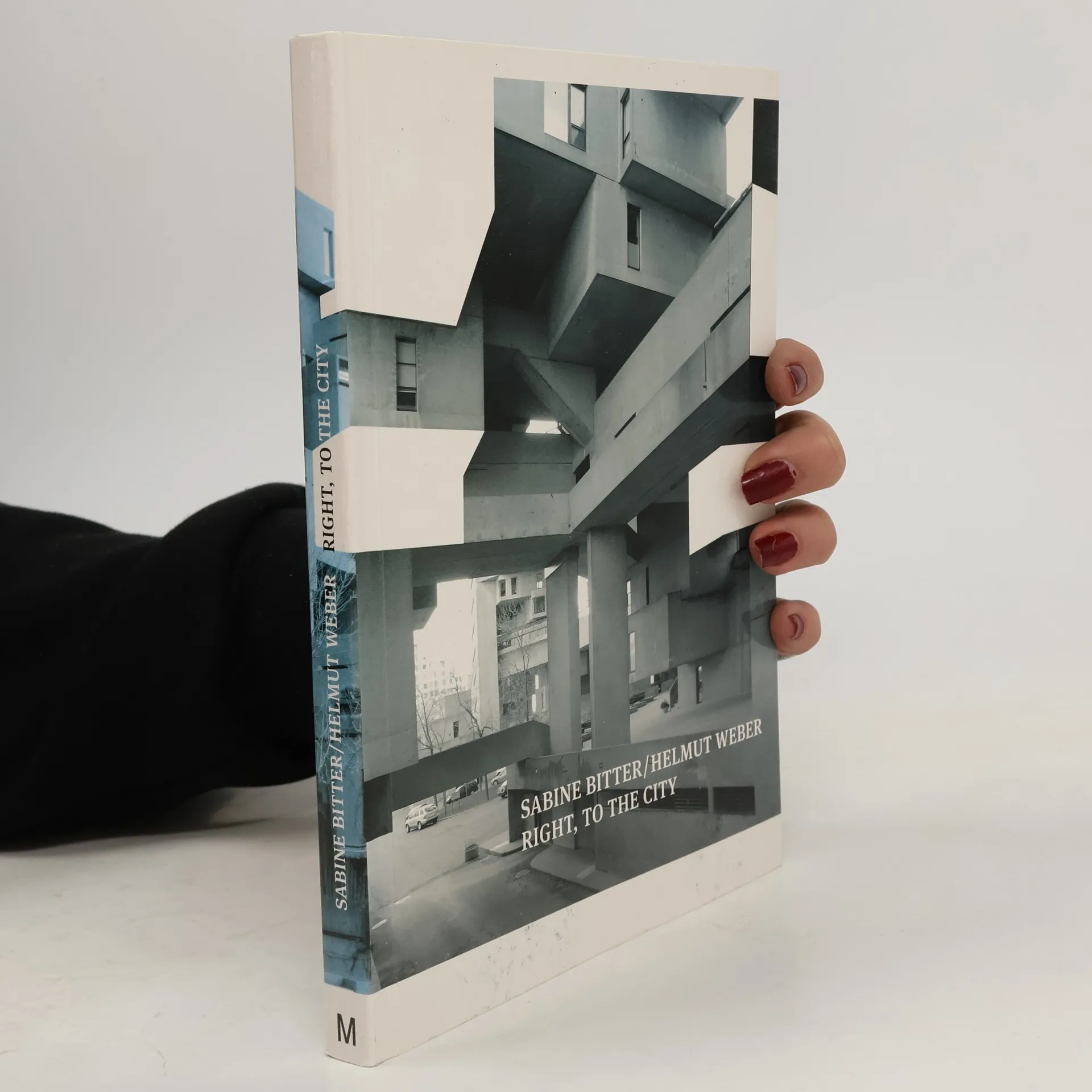
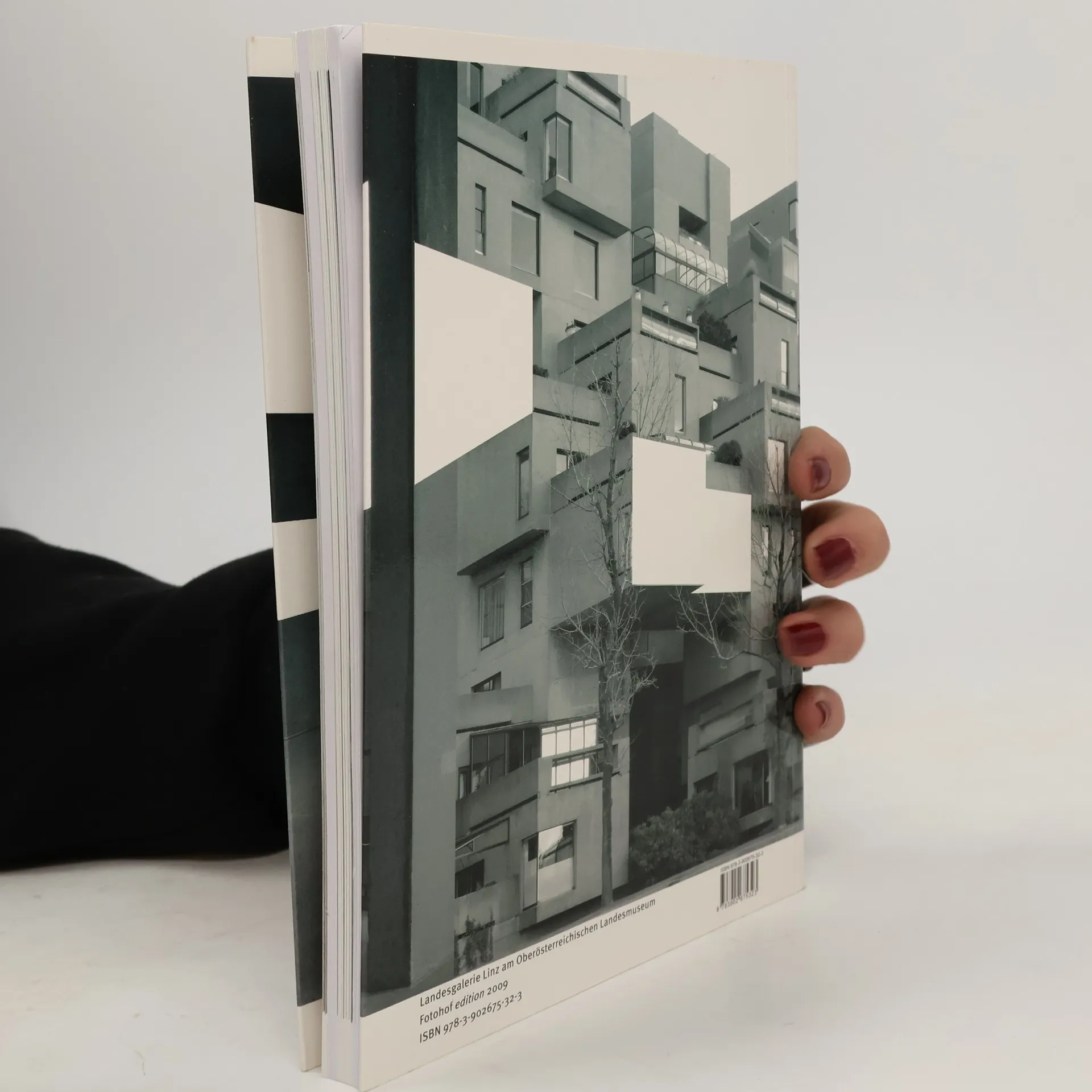
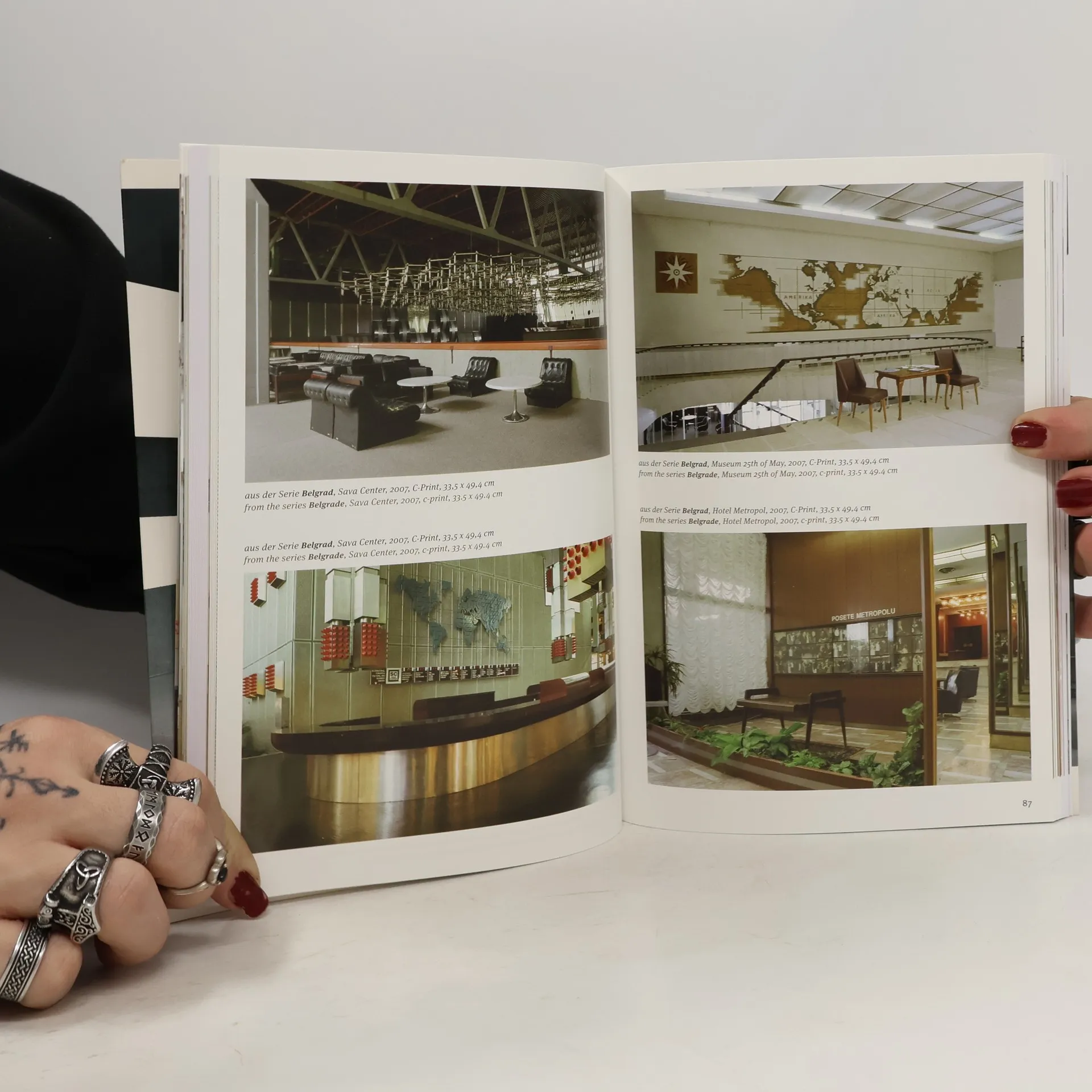
An exciting exhibition catalog of recent work by the dynamic duo of Sabine Bitter and Helmut Weber, artists based in Vancouver and Vienna, who, since 1993, have collaborated on projects addressing urban geographies, architectural representations and related visual politics. This book, the most extensive publication so far for these artists dedicated to urban culture and theory, includes photos, collages, drawings and installations from cities such as Belgrade, Vancouver, Paris, Bucharest and Caracas. They authored the recently released ''urban re-thinking'' manual by Sternberg and FILLIP, Autogestion, or Henri Lefebvre in New Belgrade. Their photo and video works engage with specific moments and cultural logics of (neo-liberal) globalization, as they are materialized in architecture as a frame for spatial meaning.
Compra de libros
Sabine Bitter / Helmut Weber, Sabine Bitter, Helmut Weber, Jochen Becker
- Idioma


- Publicado en
- 2009
- Encuadernación
- (Tapa blanda)
Métodos de pago
Nadie lo ha calificado todavía.
- Título
- Sabine Bitter / Helmut Weber
- Subtítulo
- Right, to the City
- Idioma
- Inglés, Alemán
- Autores
- Sabine Bitter, Helmut Weber, Jochen Becker
- Editorial
- Fotohof
- Publicado en
- 2009
- Formato
- Tapa blanda
- Páginas
- 192
- ISBN10
- 3902675322
- ISBN13
- 9783902675323
- Serie
- Etiquetas
- Arte, Arquitectura, Austria, Europa Occidental
- Descripción
- An exciting exhibition catalog of recent work by the dynamic duo of Sabine Bitter and Helmut Weber, artists based in Vancouver and Vienna, who, since 1993, have collaborated on projects addressing urban geographies, architectural representations and related visual politics. This book, the most extensive publication so far for these artists dedicated to urban culture and theory, includes photos, collages, drawings and installations from cities such as Belgrade, Vancouver, Paris, Bucharest and Caracas. They authored the recently released ''urban re-thinking'' manual by Sternberg and FILLIP, Autogestion, or Henri Lefebvre in New Belgrade. Their photo and video works engage with specific moments and cultural logics of (neo-liberal) globalization, as they are materialized in architecture as a frame for spatial meaning.