



Más información sobre el libro
In the late sixteenth century a mythical encounter was reported on an elephant hunt in the dense jungle north of the Tonle Sap, or Great Lake, of central Cambodia. King Satha of Cambodia and his retainers were beating a path through the undergrowth when they were halted by stone giants, and then a massive wall. The King, the fable reported, ordered 6,000 men to bring down the wall, thereby exposing the city of Angkor - 'lost' for over a century. Subsequent reports from Portuguese missionaries described its four gateways, with bridges flanked by stone figures leading across a moat. There were idols covered in gold, inscriptions, fountains, canals, and 'a temple with five towers, called Angor [sic]'. For four centuries, this huge complex has inspired awe amongst visitors from all over the world, but only now are its origins and history becoming clear.
Compra de libros
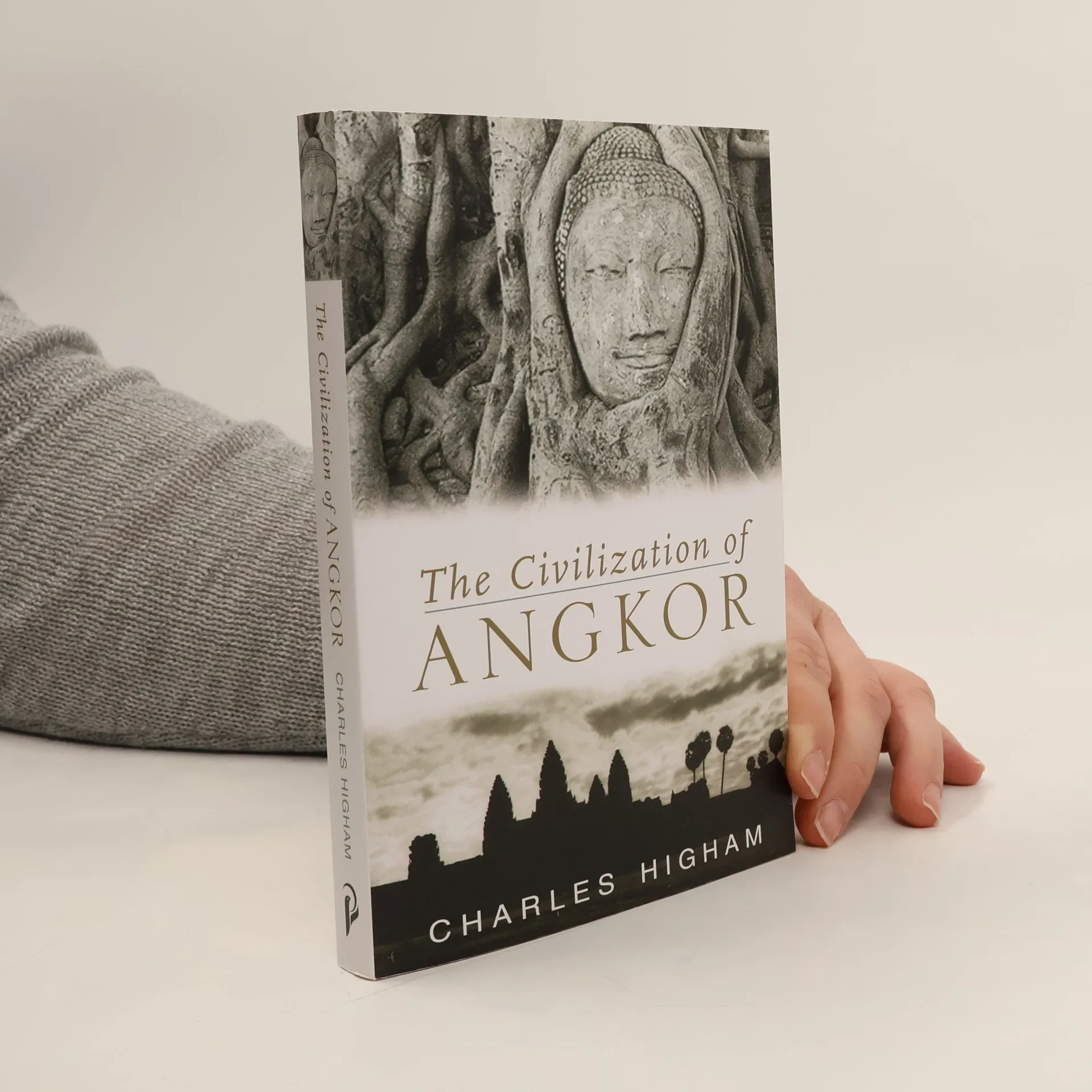
The Civilization of Angkor, Charles F.W. Higham
- Idioma

- Publicado en
- 2003
- Encuadernación
- (Tapa blanda)
Métodos de pago
Nos falta tu reseña aquí
- Título
- The Civilization of Angkor
- Idioma
- Inglés
- Autores
- Charles F.W. Higham
- Editorial
- Phoenix Books
- Publicado en
- 2003
- Formato
- Tapa blanda
- Páginas
- 192
- ISBN10
- 1842125842
- ISBN13
- 9781842125847
- Serie
- Categorías
- Etiquetas
- Tema histórico, Viajes, Temas religiosos, Asia, Arqueología, Prehistoria y antigüedad, Geografía histórica, Sudeste Asiático, Camboya, Antropología Social, Ciudades perdidas
- Calificación
- 3,25 de 5
- Descripción
- In the late sixteenth century a mythical encounter was reported on an elephant hunt in the dense jungle north of the Tonle Sap, or Great Lake, of central Cambodia. King Satha of Cambodia and his retainers were beating a path through the undergrowth when they were halted by stone giants, and then a massive wall. The King, the fable reported, ordered 6,000 men to bring down the wall, thereby exposing the city of Angkor - 'lost' for over a century. Subsequent reports from Portuguese missionaries described its four gateways, with bridges flanked by stone figures leading across a moat. There were idols covered in gold, inscriptions, fountains, canals, and 'a temple with five towers, called Angor [sic]'. For four centuries, this huge complex has inspired awe amongst visitors from all over the world, but only now are its origins and history becoming clear.