



Christianity & Society in the Modern World Series: The Reformation of Ritual
An Interpretation of Early Modern Germany
Autores
Valoración del libro
Más información sobre el libro
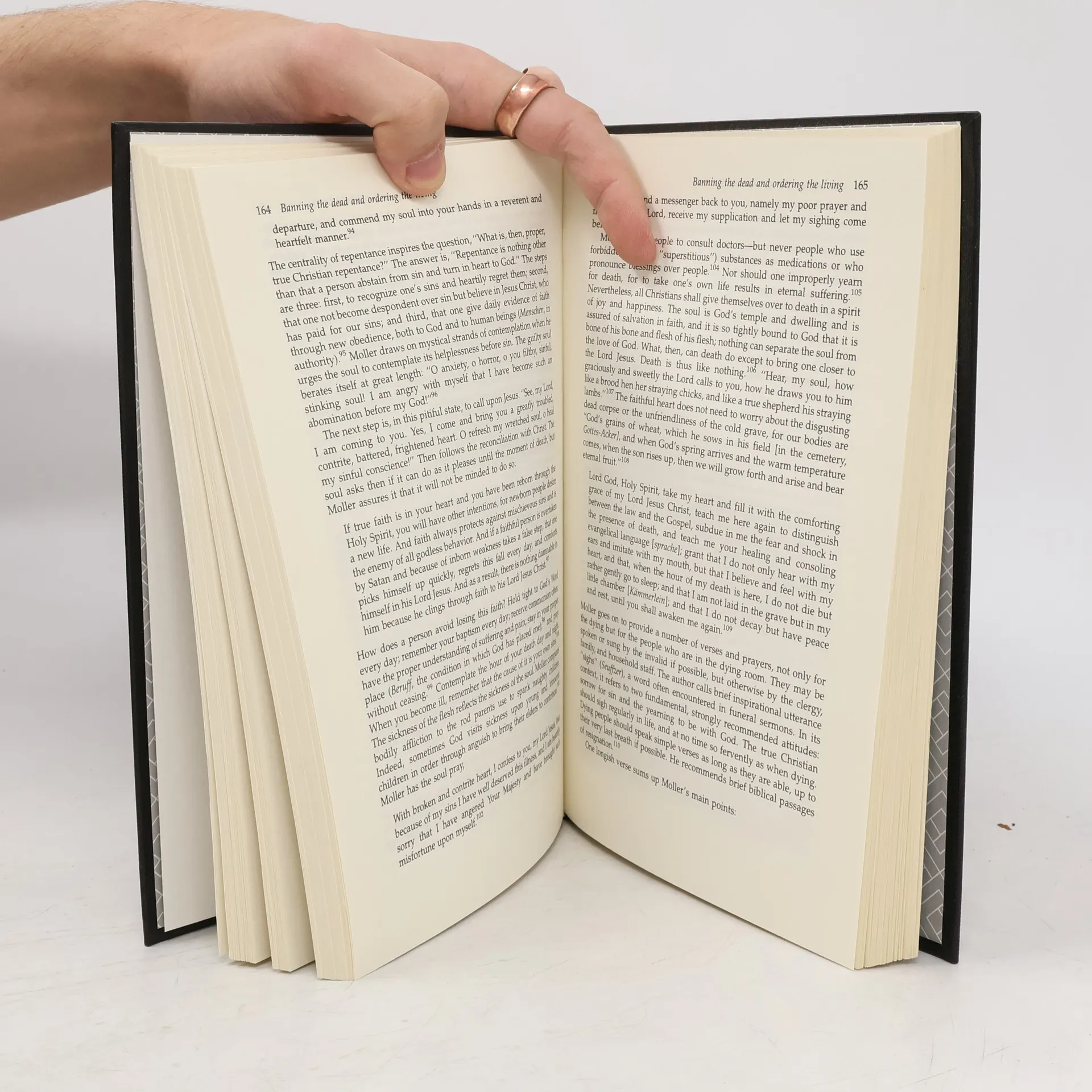
In The Reformation of Ritual Susan Karant-Nunn explores the function of ritual in early modern German society, and the extent to which it was modified by the Reformation.Employing anthropological insights, and drawing on extensive archival research, Susan Karant-Nunn outlines the significance of the ceremonial changes. This comprehensive study includes an examination of all major rites of passage: birth, baptism, confirmation, engagement, marriage, the churching of women after childbirth, penance, the Eucharist, and dying. The author argues that the changes in ritual made over the course of the century reflect more than theological shifts; ritual was a means of imposing discipline and of making the divine more or less accessible. Church and state cooperated in using ritual as one means of gaining control of the populace.
Compra de libros
Christianity & Society in the Modern World Series: The Reformation of Ritual, Susan C. Karant-Nunn
- Idioma

- Publicado en
- 1997
- Encuadernación
- (Tapa dura)
Métodos de pago
Nos falta tu reseña aquí
- Título
- Christianity & Society in the Modern World Series: The Reformation of Ritual
- Subtítulo
- An Interpretation of Early Modern Germany
- Idioma
- Inglés
- Autores
- Susan C. Karant-Nunn
- Editorial
- Routledge
- Publicado en
- 1997
- Formato
- Tapa dura
- Páginas
- 296
- ISBN10
- 0415113377
- ISBN13
- 9780415113373
- Serie
- Etiquetas
- Temas religiosos, Cristianismo, Alemania, Educación, Europa, Historia de Europa, Inspiración, Ética, Europa Occidental, Siglo XVI, Historia de las Religiones, Rituales y Ceremonias, Reforma, Martín Lutero, Condiciones sociales, Protocolos, Sermón Funerario
- Calificación
- 4 de 5
- Descripción
- In The Reformation of Ritual Susan Karant-Nunn explores the function of ritual in early modern German society, and the extent to which it was modified by the Reformation.Employing anthropological insights, and drawing on extensive archival research, Susan Karant-Nunn outlines the significance of the ceremonial changes. This comprehensive study includes an examination of all major rites of passage: birth, baptism, confirmation, engagement, marriage, the churching of women after childbirth, penance, the Eucharist, and dying. The author argues that the changes in ritual made over the course of the century reflect more than theological shifts; ritual was a means of imposing discipline and of making the divine more or less accessible. Church and state cooperated in using ritual as one means of gaining control of the populace.