



Parámetros
- 166 páginas
- 6 horas de lectura
Más información sobre el libro
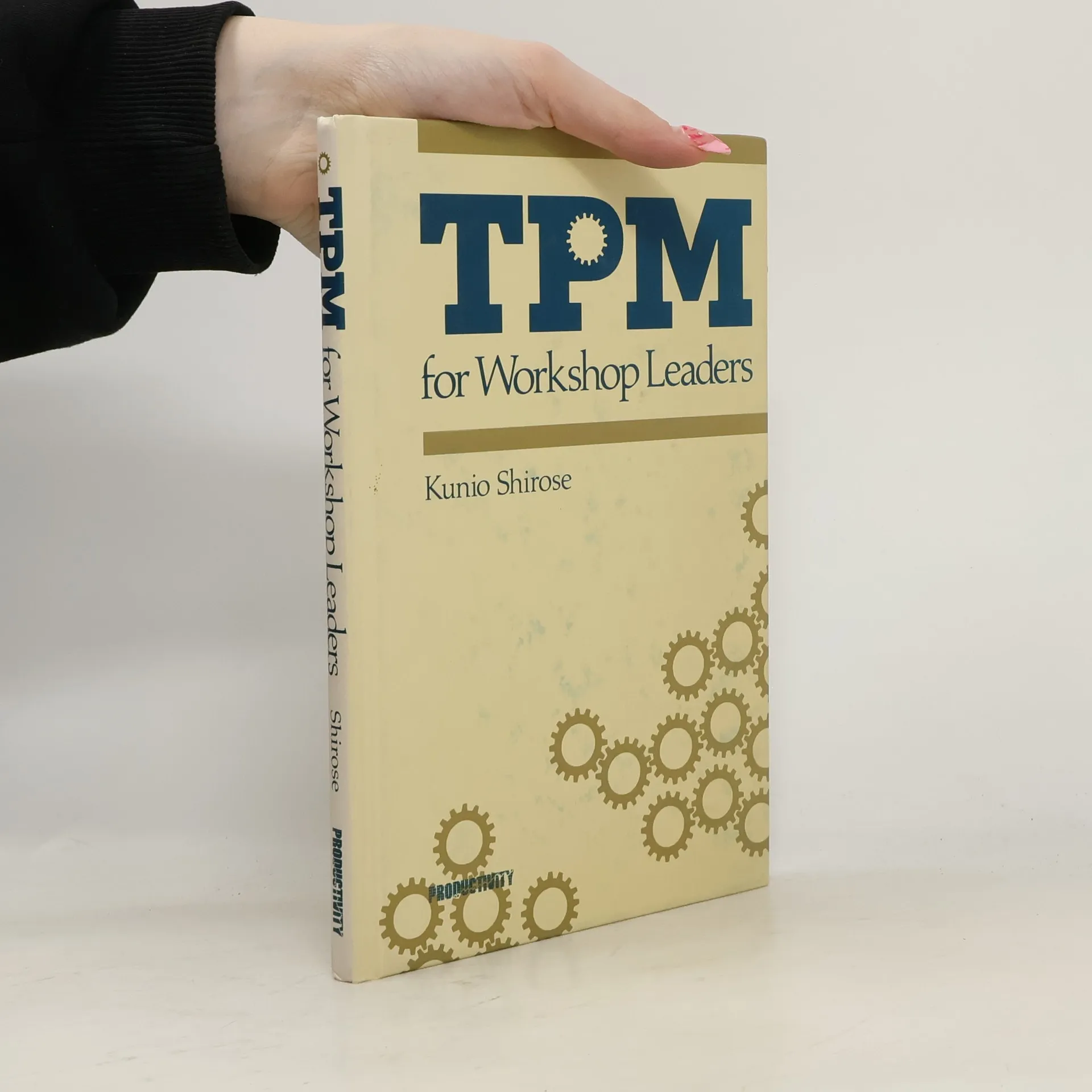
Workshop leaders play a central role in your company's efforts to implement TPM. Once your workers have been divided into small groups to learn the fundamentals of TPM, it is the group leader who spearheads ongoing training and implementation activities. With quick-reading, people-oriented practicality, this new book addresses the role of the workshop leader in maximizing the benefits of TPM.A top TPM consultant in Japan, Kunio Shirose: He also addresses the cooperative relationship necessary between maintenance and production and leaves you with an understanding of the three imperatives for successful TPM implementation to change the quality and functioning of the equipment, the way operators think about equipment, and the workplace. (Originally published by the Japan Management Association.)
Compra de libros
TPM for Workshop Leaders, Kunio Shirose
- Idioma

- Publicado en
- 1992
- Encuadernación
- (Tapa blanda)
Métodos de pago
Nos falta tu reseña aquí
- Título
- TPM for Workshop Leaders
- Idioma
- Inglés
- Autores
- Kunio Shirose
- Editorial
- Productivity Press
- Publicado en
- 1992
- Formato
- Tapa blanda
- Páginas
- 166
- ISBN10
- 0915299925
- ISBN13
- 9780915299928
- Serie
- Categorías
- Etiquetas
- Comercio, Temática jurídica, EE.UU., Tecnología, Literatura especializada, Ciencias humanas, Bienes inmuebles
- Calificación
- 4,4 de 5
- Descripción
- Workshop leaders play a central role in your company's efforts to implement TPM. Once your workers have been divided into small groups to learn the fundamentals of TPM, it is the group leader who spearheads ongoing training and implementation activities. With quick-reading, people-oriented practicality, this new book addresses the role of the workshop leader in maximizing the benefits of TPM.A top TPM consultant in Japan, Kunio Shirose: He also addresses the cooperative relationship necessary between maintenance and production and leaves you with an understanding of the three imperatives for successful TPM implementation to change the quality and functioning of the equipment, the way operators think about equipment, and the workplace. (Originally published by the Japan Management Association.)