

Más información sobre el libro
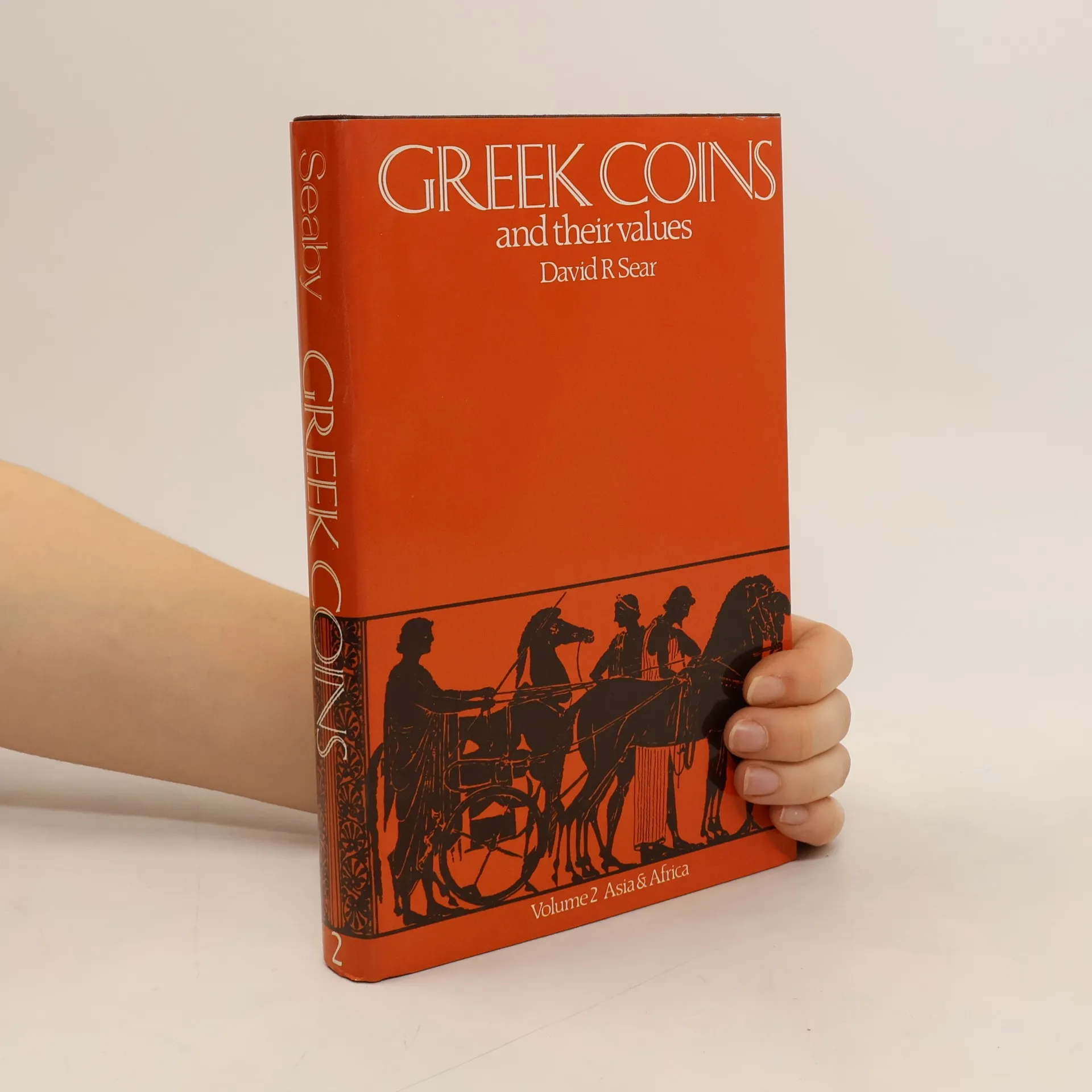
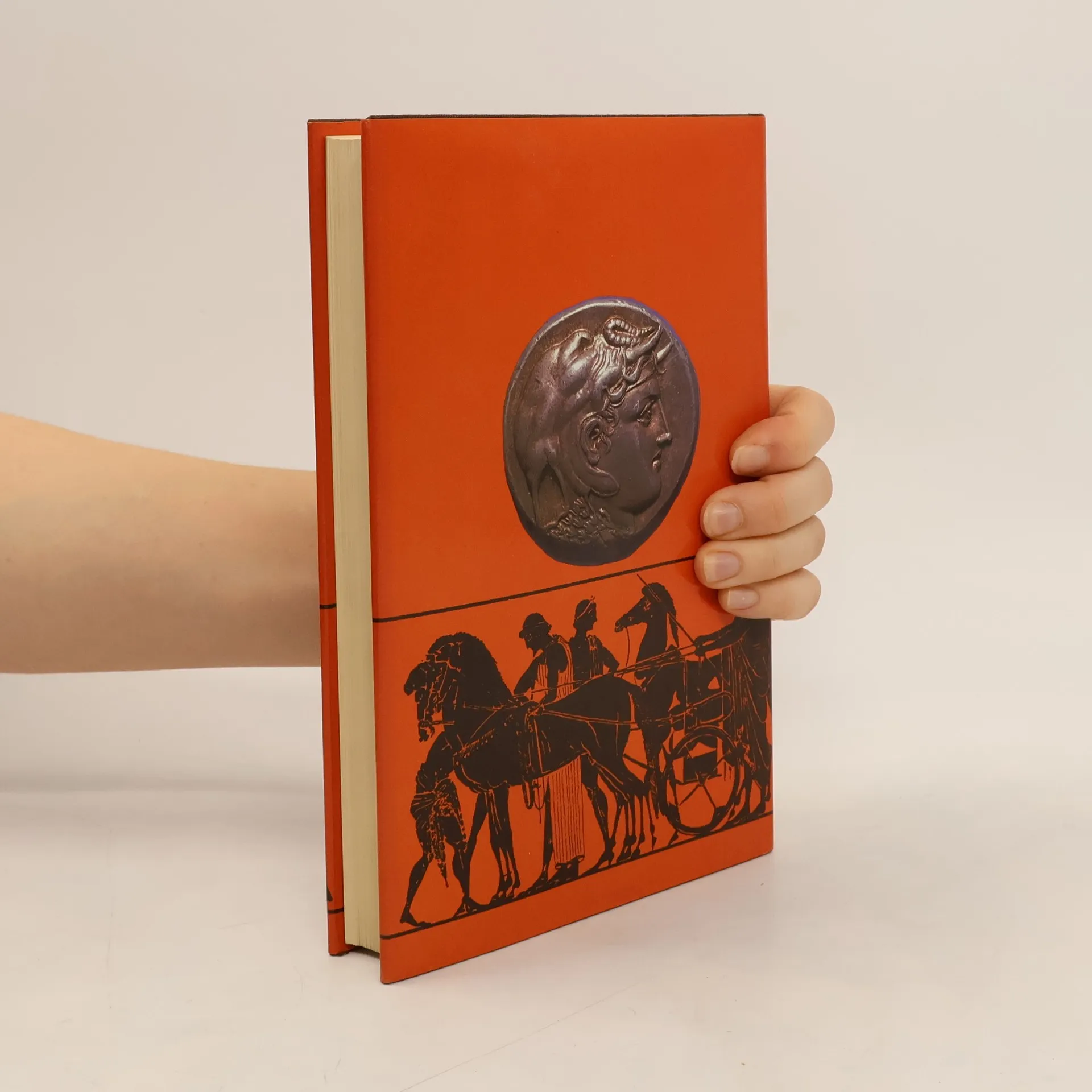
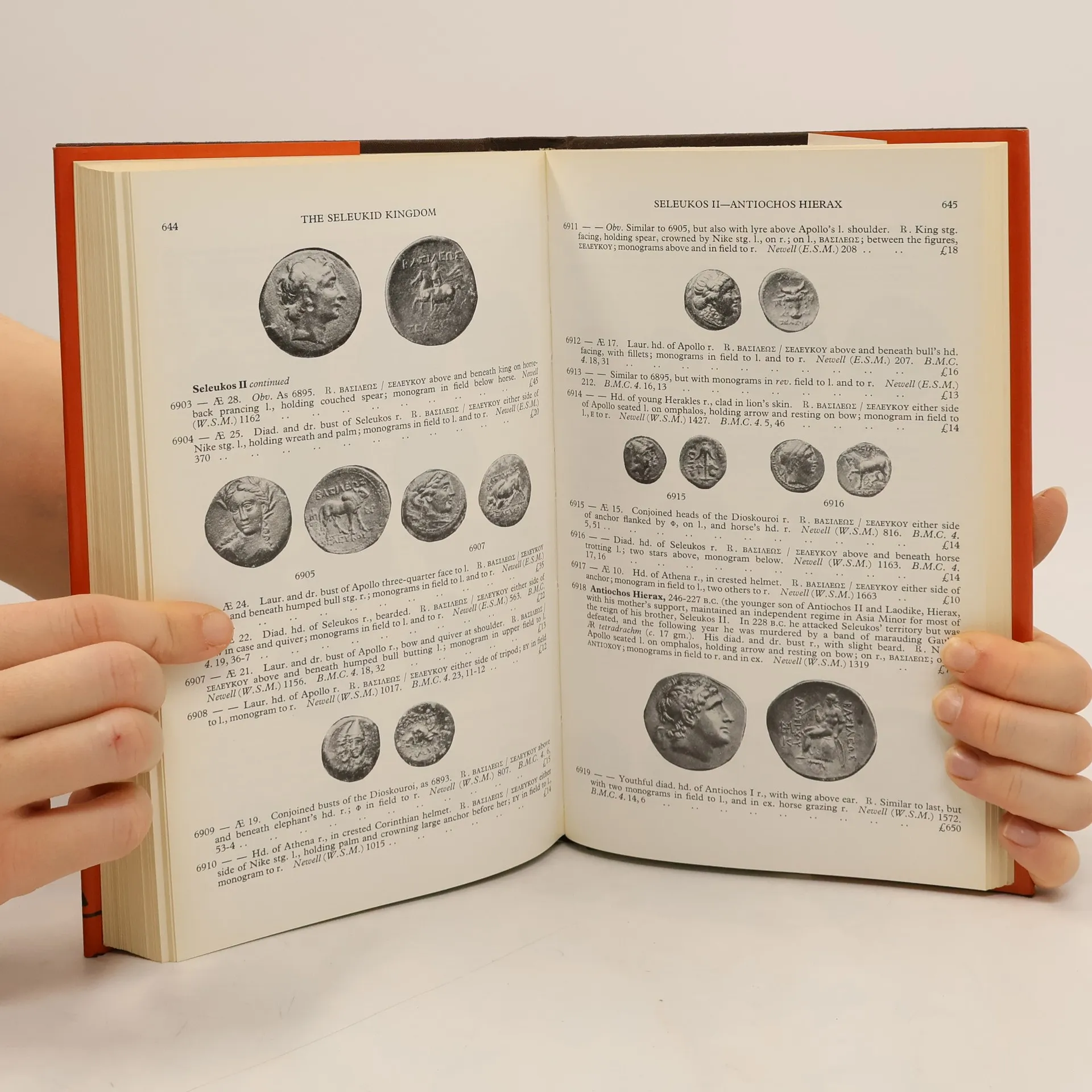
The second volume of this catalog deals with the issues of mints in Asia Minor (including the islands and Cyprus), Syria, Phoenicia, Palestine (including Jewish coins of the Hasmonaean dynasty), Arabia, Mesopotamia, and other regions of the East, Egypt, Cyrenaica, and other regions of North Africa (including Carthage); also covered are the coinages of the Hellenistic Monarchies (Macedon, Thrace, Seleucids of Syria, Ptolemies of Egypt, Pergamum, Pontus, Bithynia, Cappadocia, Armenia, Parthia, Bactria and Indo-Greeks). The primary arrangement is geographical (clockwise around the Mediterranean basin) and the listings for Asia Minor are divided between Archaic issues (before circa 480 BC) and Classical and Hellenistic (later 5th century down to 1st century BC). Includes 11 maps, a table of ancient alphabets, 4560 coin types catalogued with valuations, and almost 2000 photographic illustrations.
Compra de libros
Greek Coins and Their Values, David R. Sear
- Idioma

- Publicado en
- 1979
- Encuadernación
- (Tapa dura)
Métodos de pago
Nos falta tu reseña aquí
- Título
- Greek Coins and Their Values
- Subtítulo
- Volume 2 - Asia and Africa
- Idioma
- Inglés
- Autores
- David R. Sear
- Editorial
- Spink Books
- Publicado en
- 1979
- Formato
- Tapa dura
- Páginas
- 762
- ISBN10
- 0900652500
- ISBN13
- 9780900652509
- Serie
- Etiquetas
- Monedas
- Calificación
- 3 de 5
- Descripción
- The second volume of this catalog deals with the issues of mints in Asia Minor (including the islands and Cyprus), Syria, Phoenicia, Palestine (including Jewish coins of the Hasmonaean dynasty), Arabia, Mesopotamia, and other regions of the East, Egypt, Cyrenaica, and other regions of North Africa (including Carthage); also covered are the coinages of the Hellenistic Monarchies (Macedon, Thrace, Seleucids of Syria, Ptolemies of Egypt, Pergamum, Pontus, Bithynia, Cappadocia, Armenia, Parthia, Bactria and Indo-Greeks). The primary arrangement is geographical (clockwise around the Mediterranean basin) and the listings for Asia Minor are divided between Archaic issues (before circa 480 BC) and Classical and Hellenistic (later 5th century down to 1st century BC). Includes 11 maps, a table of ancient alphabets, 4560 coin types catalogued with valuations, and almost 2000 photographic illustrations.