

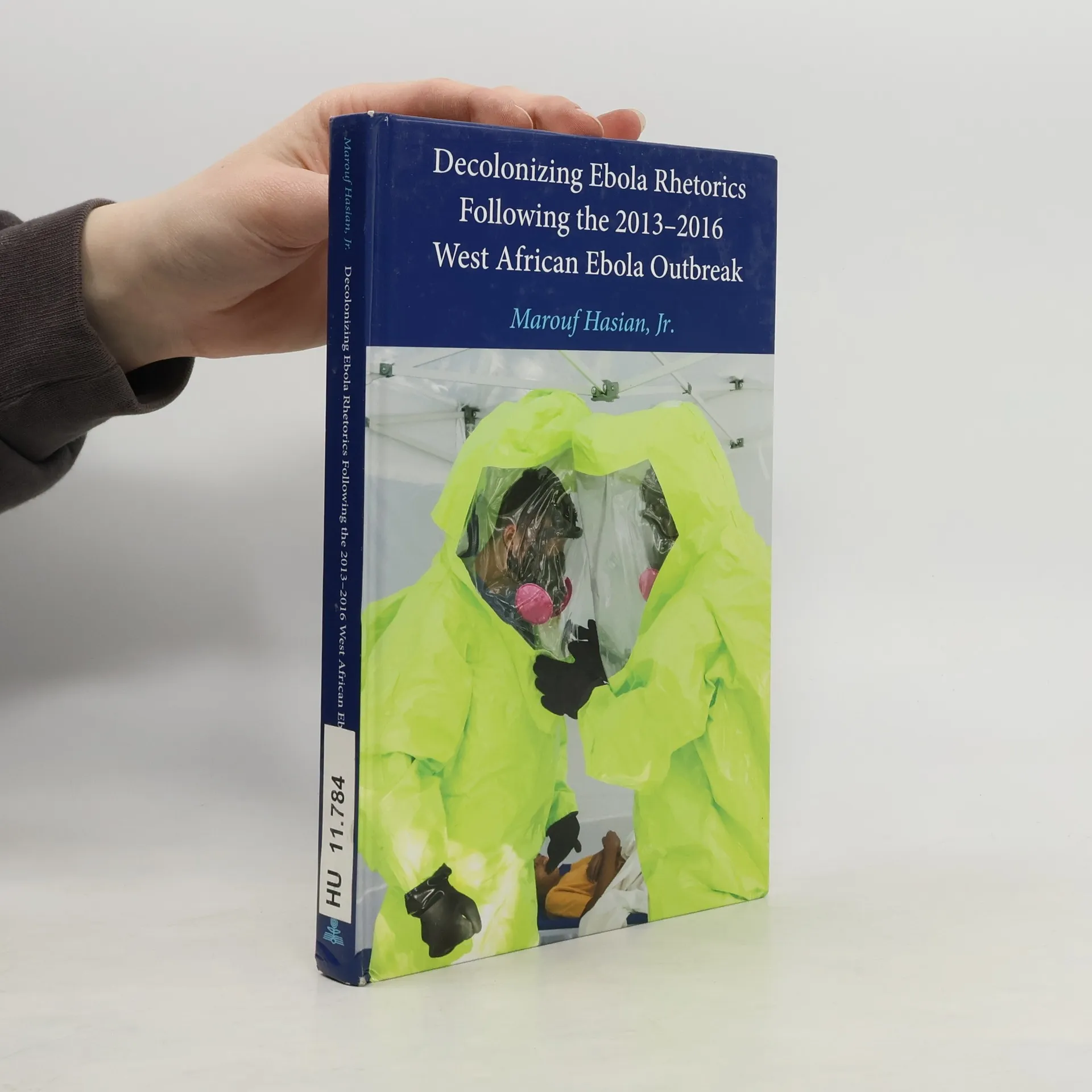
Decolonizing Ebola Rhetorics Following the 2013-2016 West African Ebola Outbreak
Autores
Parámetros
- 232 páginas
- 9 horas de lectura
Más información sobre el libro
Decolonizing Ebola Rhetorics argues for the urgent need to "decolonize" the narratives surrounding Ebola prevention and containment, despite claimed lessons learned from the 2013-2016 West African outbreak. The author emphasizes that the failure of governments, aid organizations, and global media to address the enduring impacts of colonialism in West Africa hampers effective responses to sporadic Ebola outbreaks. A critical point made is the reluctance of many in the "global North" to invest the substantial resources required for disease prevention in the "global South." Instead of addressing the root causes of impoverishment linked to colonial legacies, organizations like the World Health Organization often deploy "Ebola hunters" to manage crises with emergency measures. This approach has fostered distrust among West African communities, who are skeptical of Western intentions due to a history of colonial medical exploitation. The book highlights how the focus on blaming bats, bushmeat, or local burial customs for Ebola's spread hinders the necessary decolonization of its rhetoric. The author concludes by critiquing the lessons learned by those who prioritize securitization and military responses over genuine public health efforts.
Compra de libros
Decolonizing Ebola Rhetorics Following the 2013-2016 West African Ebola Outbreak, Marouf Arif Hasian Jr.
- Idioma

- Publicado en
- 2019
- Encuadernación
- (Tapa dura)
Métodos de pago
Nadie lo ha calificado todavía.
- Título
- Decolonizing Ebola Rhetorics Following the 2013-2016 West African Ebola Outbreak
- Idioma
- Inglés
- Autores
- Marouf Arif Hasian Jr.
- Editorial
- Peter Lang
- Publicado en
- 2019
- Formato
- Tapa dura
- Páginas
- 232
- ISBN10
- 1433166151
- ISBN13
- 9781433166150
- Serie
- Categorías
- Etiquetas
- Medicina, Teorías Políticas, África Occidental, Postcolonialismo
- Descripción
- Decolonizing Ebola Rhetorics argues for the urgent need to "decolonize" the narratives surrounding Ebola prevention and containment, despite claimed lessons learned from the 2013-2016 West African outbreak. The author emphasizes that the failure of governments, aid organizations, and global media to address the enduring impacts of colonialism in West Africa hampers effective responses to sporadic Ebola outbreaks. A critical point made is the reluctance of many in the "global North" to invest the substantial resources required for disease prevention in the "global South." Instead of addressing the root causes of impoverishment linked to colonial legacies, organizations like the World Health Organization often deploy "Ebola hunters" to manage crises with emergency measures. This approach has fostered distrust among West African communities, who are skeptical of Western intentions due to a history of colonial medical exploitation. The book highlights how the focus on blaming bats, bushmeat, or local burial customs for Ebola's spread hinders the necessary decolonization of its rhetoric. The author concludes by critiquing the lessons learned by those who prioritize securitization and military responses over genuine public health efforts.