

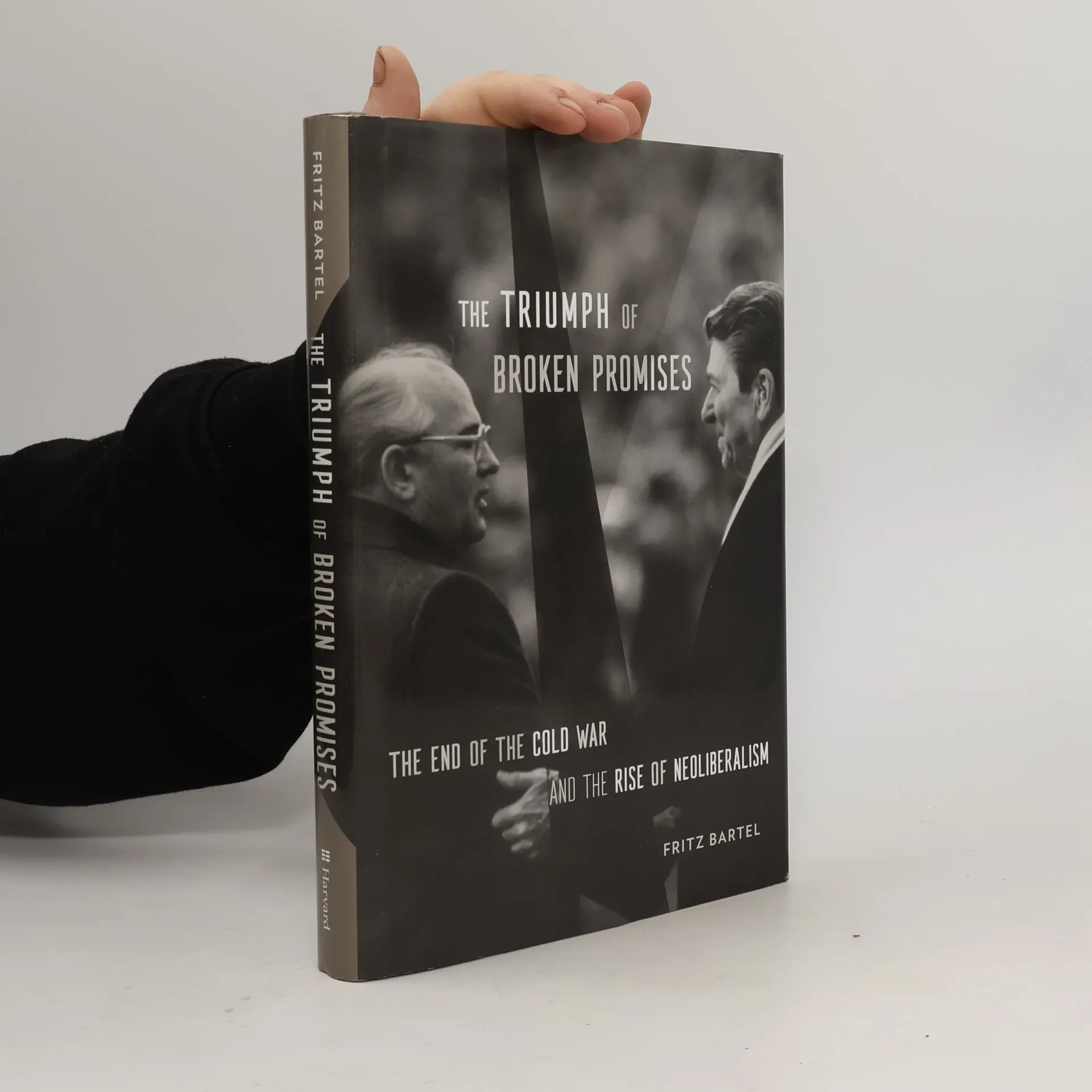


The Triumph of Broken Promises
The End of the Cold War and the Rise of Neoliberalism
Autores
Valoración del libro
Parámetros
- 440 páginas
- 16 horas de lectura
Más información sobre el libro
This study presents a compelling argument that the economic shocks of the 1970s accelerated both the end of the Cold War and the rise of neoliberalism by compelling governments to impose austerity measures. It explores the peaceful conclusion of the Cold War and the global spread of neoliberal economics, linking these phenomena to the pressures of the 1970s. Initially, the Cold War was characterized by a competition between capitalist and communist regimes to enhance their social contracts and improve citizens' lives. However, the economic turmoil of the 1970s rendered these promises unsustainable on both sides of the Iron Curtain, forcing political leaders to abandon their commitments. The narrative illustrates how the necessity to break promises contributed to the Cold War's conclusion. In the West, neoliberalism equipped leaders like Ronald Reagan and Margaret Thatcher with the ideological framework to implement austerity, prioritize capital over labor, and shut down industries. Conversely, in Eastern Europe, figures like Lech Walesa resisted market discipline, while Mikhail Gorbachev's reform attempts ultimately proved too challenging for the Soviet system. As Soviet-style governments struggled with economic discipline that contradicted their ideals, their legitimacy suffered. In contrast, Western politicians framed austerity as a remedy against their ideological rivals, paving the way for the emergence of a neoliberal gl
Compra de libros
The Triumph of Broken Promises, Fritz Bartel
- Idioma

- Publicado en
- 2022
- Encuadernación
- (Tapa dura)
Métodos de pago
Nos falta tu reseña aquí
- Título
- The Triumph of Broken Promises
- Subtítulo
- The End of the Cold War and the Rise of Neoliberalism
- Idioma
- Inglés
- Autores
- Fritz Bartel
- Editorial
- Harvard University Press
- Publicado en
- 2022
- Formato
- Tapa dura
- Páginas
- 440
- ISBN10
- 0674976789
- ISBN13
- 9780674976788
- Serie
- Categorías
- Etiquetas
- Tema histórico, Comercio, Política, EE.UU., Siglo XX, Europa, Gran Bretaña, Rusia, Historia de Europa, Teorías Políticas, Relaciones Internacionales, Democracia, Guerra Fría, Hungría, Historia Económica, Crisis, Diplomacia, Banca, Desempleo, Neoliberalismo, Armas nucleares, Trabajadores, Petróleo, Muro de Berlín, Perestroika
- Calificación
- 4,35 de 5
- Descripción
- This study presents a compelling argument that the economic shocks of the 1970s accelerated both the end of the Cold War and the rise of neoliberalism by compelling governments to impose austerity measures. It explores the peaceful conclusion of the Cold War and the global spread of neoliberal economics, linking these phenomena to the pressures of the 1970s. Initially, the Cold War was characterized by a competition between capitalist and communist regimes to enhance their social contracts and improve citizens' lives. However, the economic turmoil of the 1970s rendered these promises unsustainable on both sides of the Iron Curtain, forcing political leaders to abandon their commitments. The narrative illustrates how the necessity to break promises contributed to the Cold War's conclusion. In the West, neoliberalism equipped leaders like Ronald Reagan and Margaret Thatcher with the ideological framework to implement austerity, prioritize capital over labor, and shut down industries. Conversely, in Eastern Europe, figures like Lech Walesa resisted market discipline, while Mikhail Gorbachev's reform attempts ultimately proved too challenging for the Soviet system. As Soviet-style governments struggled with economic discipline that contradicted their ideals, their legitimacy suffered. In contrast, Western politicians framed austerity as a remedy against their ideological rivals, paving the way for the emergence of a neoliberal gl