

Más información sobre el libro
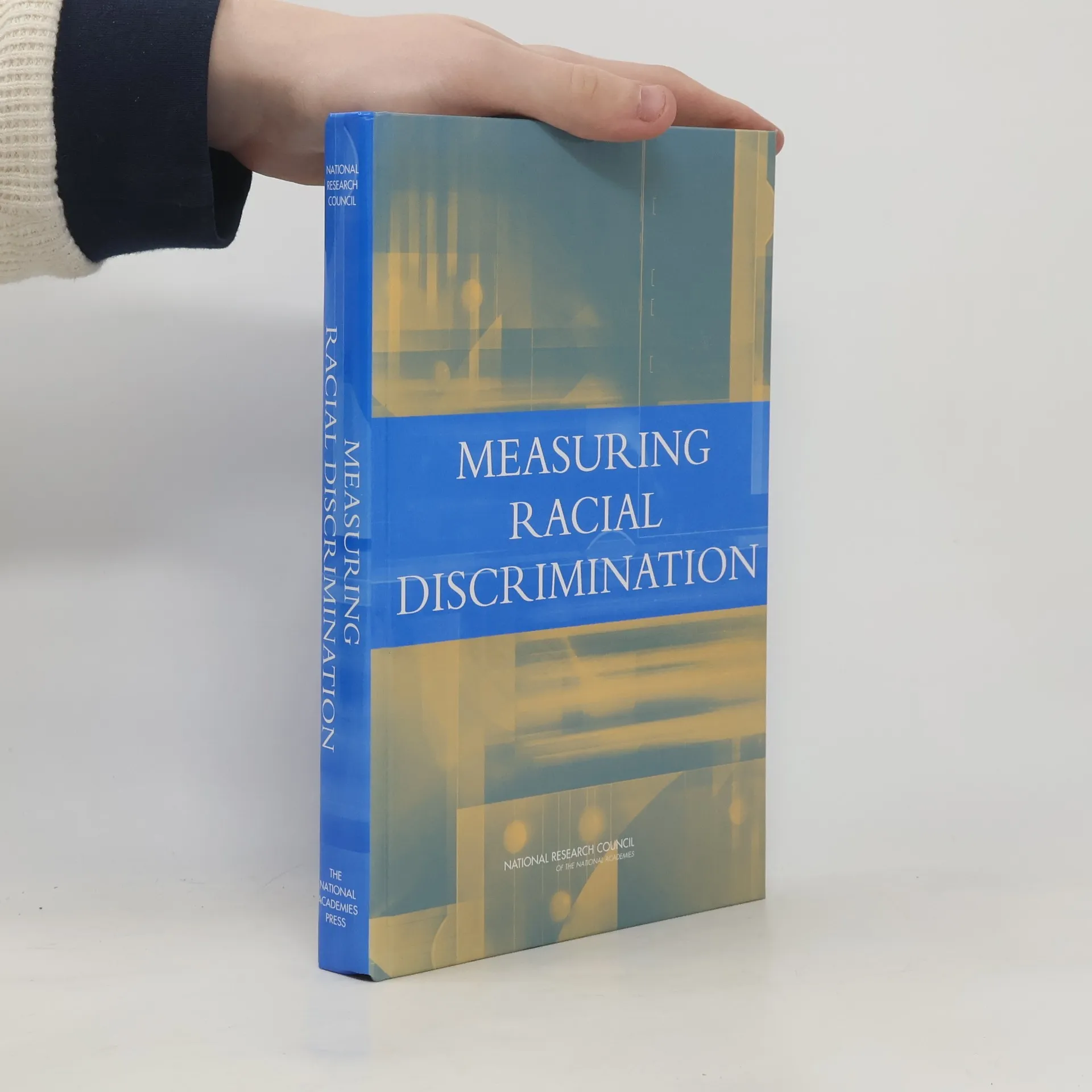
Many racial and ethnic groups in the United States, including blacks, Hispanics, Asians, American Indians, and others, have historically faced severe discrimination?pervasive and open denial of civil, social, political, educational, and economic opportunities. Today, large differences among racial and ethnic groups continue to exist in employment, income and wealth, housing, education, criminal justice, health, and other areas. While many factors may contribute to such differences, their size and extent suggest that various forms of discriminatory treatment persist in U.S. society and serve to undercut the achievement of equal opportunity. Measuring Racial Discrimination considers the definition of race and racial discrimination, reviews the existing techniques used to measure racial discrimination, and identifies new tools and areas for future research. The book conducts a thorough evaluation of current methodologies for a wide range of circumstances in which racial discrimination may occur, and makes recommendations on how to better assess the presence and effects of discrimination.
Compra de libros
National Research Council: Measuring Racial Discrimination, National Research Council, Committee on National Statistics, Panel on Methods for Assessing Discrimination, Division of Behavioral and Social Sciences and Education, National Academy of Sciences
- Idioma

- Publicado en
- 2004
- Encuadernación
- (Tapa dura)
Métodos de pago
Nos falta tu reseña aquí
- Título
- National Research Council: Measuring Racial Discrimination
- Idioma
- Inglés
- Autores
- National Research Council, Committee on National Statistics, Panel on Methods for Assessing Discrimination, Division of Behavioral and Social Sciences and Education, National Academy of Sciences
- Editorial
- National Academies Press
- Publicado en
- 2004
- Formato
- Tapa dura
- Páginas
- 334
- ISBN10
- 0309091268
- ISBN13
- 9780309091268
- Serie
- Categorías
- Etiquetas
- Ciencia, EE.UU., Investigación, Estadística, Trabajo Social, Discriminación, Etnicidad, Gerontología
- Calificación
- 4 de 5
- Descripción
- Many racial and ethnic groups in the United States, including blacks, Hispanics, Asians, American Indians, and others, have historically faced severe discrimination?pervasive and open denial of civil, social, political, educational, and economic opportunities. Today, large differences among racial and ethnic groups continue to exist in employment, income and wealth, housing, education, criminal justice, health, and other areas. While many factors may contribute to such differences, their size and extent suggest that various forms of discriminatory treatment persist in U.S. society and serve to undercut the achievement of equal opportunity. Measuring Racial Discrimination considers the definition of race and racial discrimination, reviews the existing techniques used to measure racial discrimination, and identifies new tools and areas for future research. The book conducts a thorough evaluation of current methodologies for a wide range of circumstances in which racial discrimination may occur, and makes recommendations on how to better assess the presence and effects of discrimination.