

Parámetros
- 320 páginas
- 12 horas de lectura
Más información sobre el libro
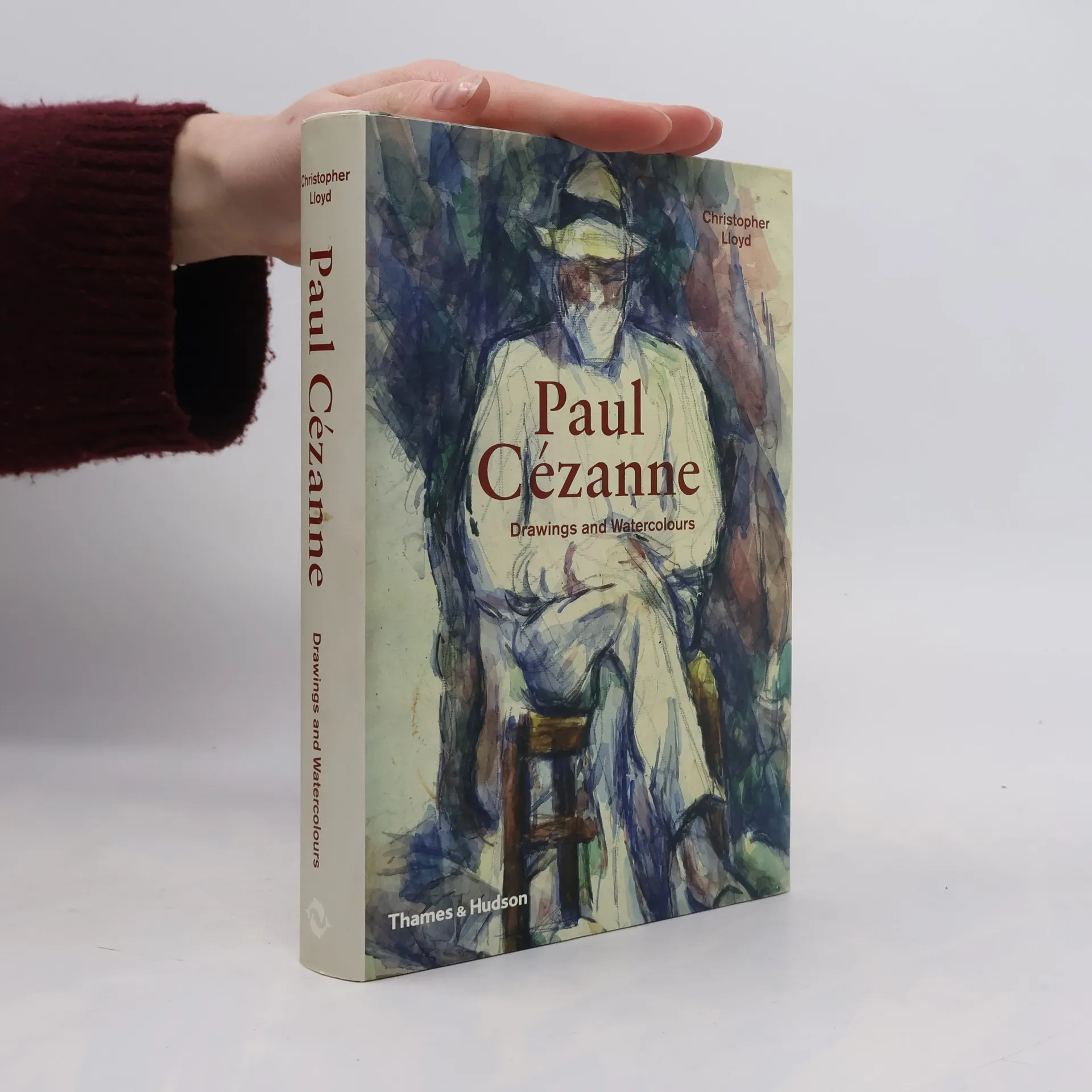
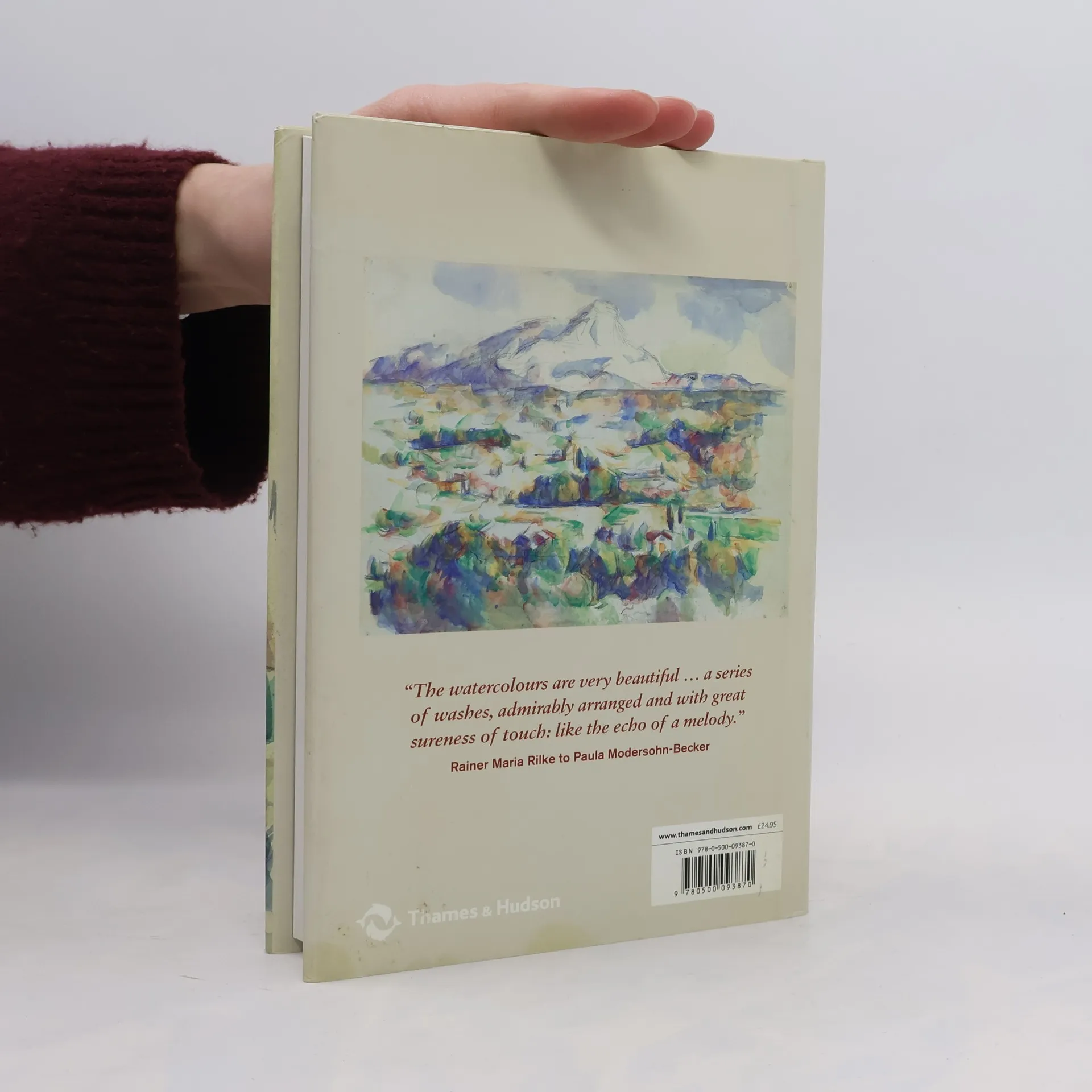
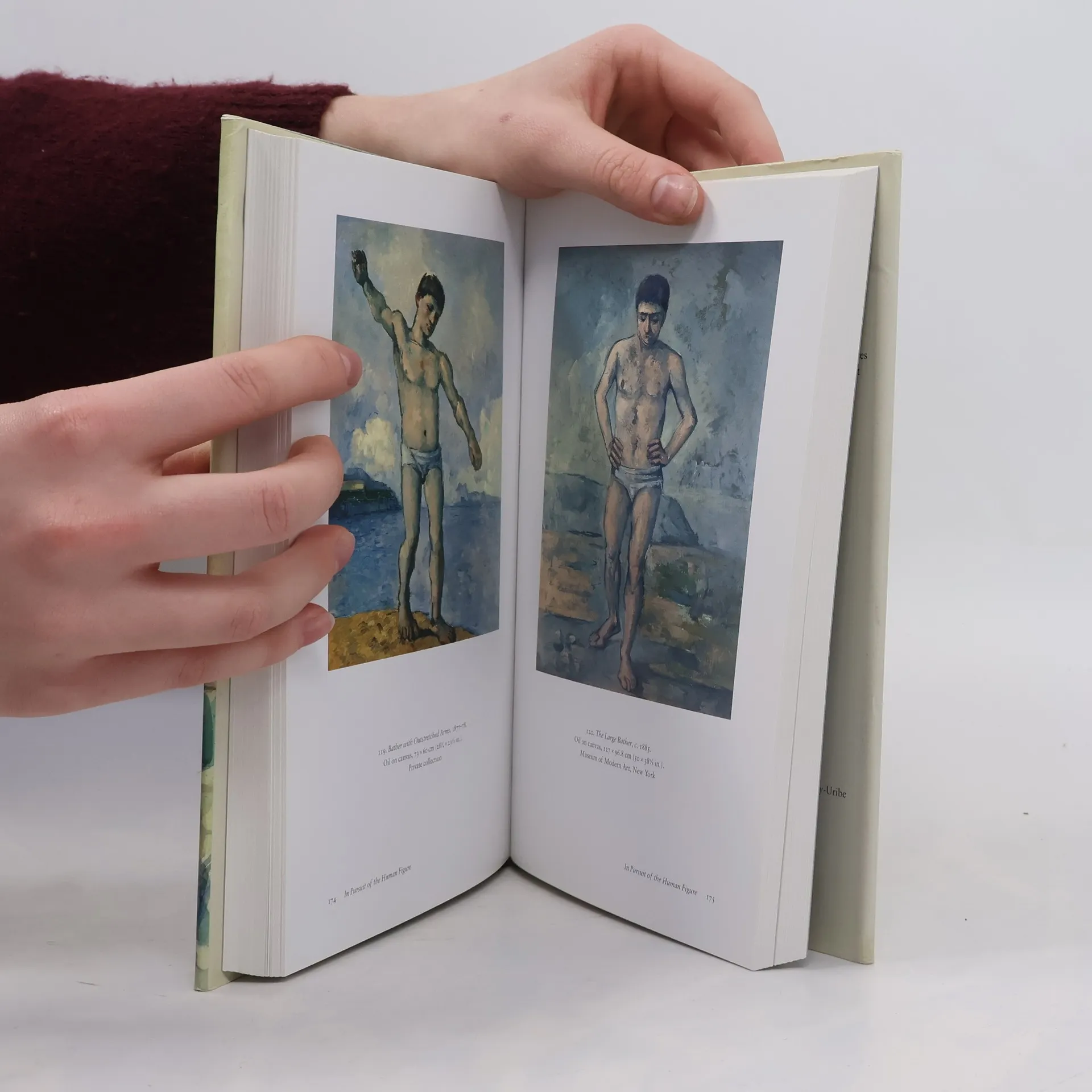
Drawing was central to Cézanne's indefatigable search for solutions to the problems posed by the depiction of reality. Many of his watercolours are equal to his paintings, and he himself made no real distinction between painting and drawing. This book's six chapters are arranged thematically covering the whole range of Cézanne's oeuvre: works after the Old Masters such as Michelangelo and Rubens; his period as one of the Impressionists; his exploration of both portraiture and the human figure, including the magnificent bathers; his interaction with landscape, particularly in his native Provence and the dominating form of Mont Sainte-Victoire; and finally the magisterial still lifes. In the Introduction, as well as throughout the book, Lloyd sets the drawings and watercolours in the context of Cézanne's life and overall artistic development. The result is a greater understanding of the process that led to some of the most absorbing art ever produced.
Compra de libros
Paul Cézanne, Christopher Lloyd
- Idioma

- Publicado en
- 2001
- Encuadernación
- (Tapa dura)
Métodos de pago
Nos falta tu reseña aquí
- Título
- Paul Cézanne
- Idioma
- Inglés
- Autores
- Christopher Lloyd
- Editorial
- Thames & Hudson
- Publicado en
- 2001
- Formato
- Tapa dura
- Páginas
- 320
- ISBN10
- 0500093873
- ISBN13
- 9780500093870
- Serie
- Etiquetas
- Tema histórico, Bellas artes, Arte, Historia del arte, Artistas, Impresionismo
- Calificación
- 4,35 de 5
- Descripción
- Drawing was central to Cézanne's indefatigable search for solutions to the problems posed by the depiction of reality. Many of his watercolours are equal to his paintings, and he himself made no real distinction between painting and drawing. This book's six chapters are arranged thematically covering the whole range of Cézanne's oeuvre: works after the Old Masters such as Michelangelo and Rubens; his period as one of the Impressionists; his exploration of both portraiture and the human figure, including the magnificent bathers; his interaction with landscape, particularly in his native Provence and the dominating form of Mont Sainte-Victoire; and finally the magisterial still lifes. In the Introduction, as well as throughout the book, Lloyd sets the drawings and watercolours in the context of Cézanne's life and overall artistic development. The result is a greater understanding of the process that led to some of the most absorbing art ever produced.