


Más información sobre el libro
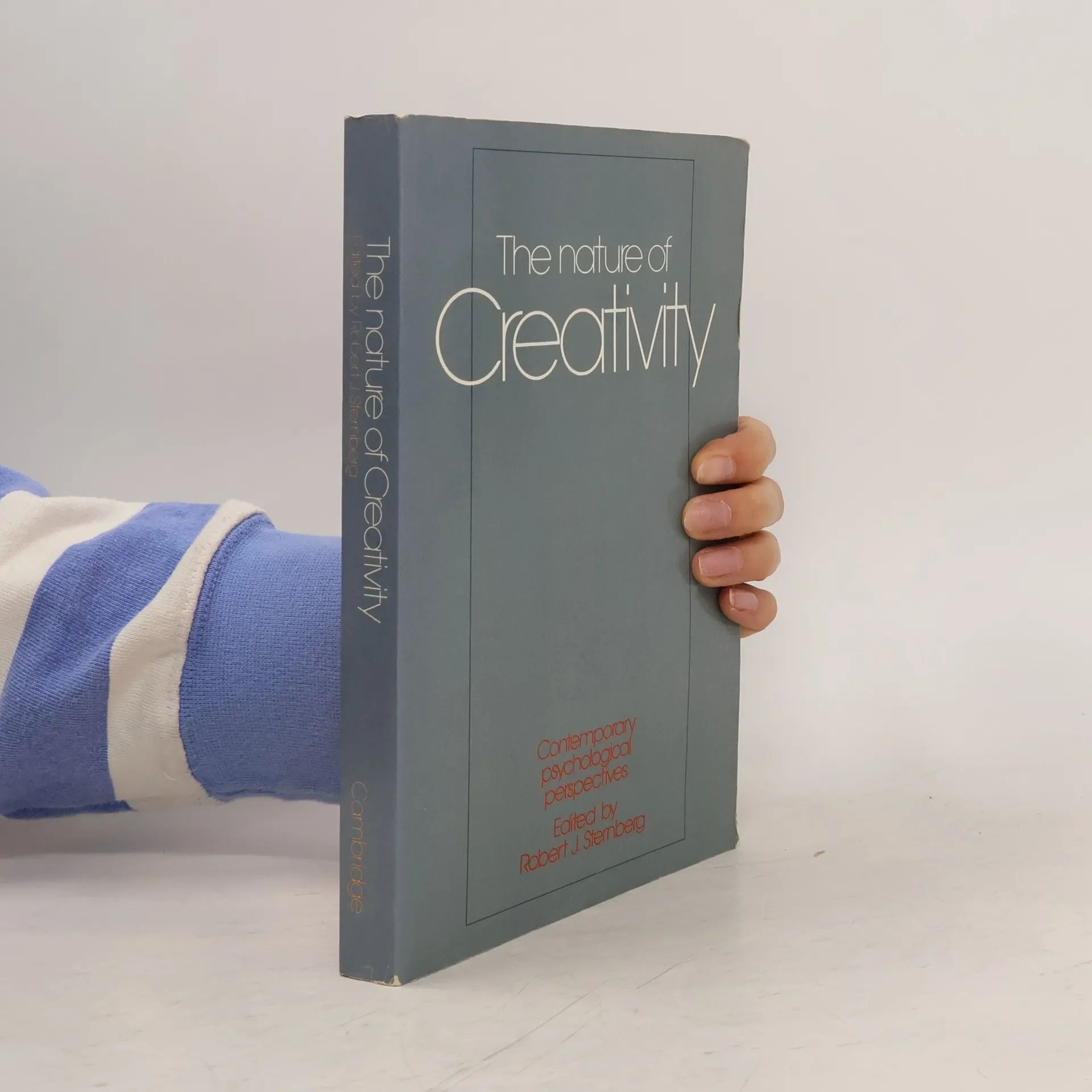
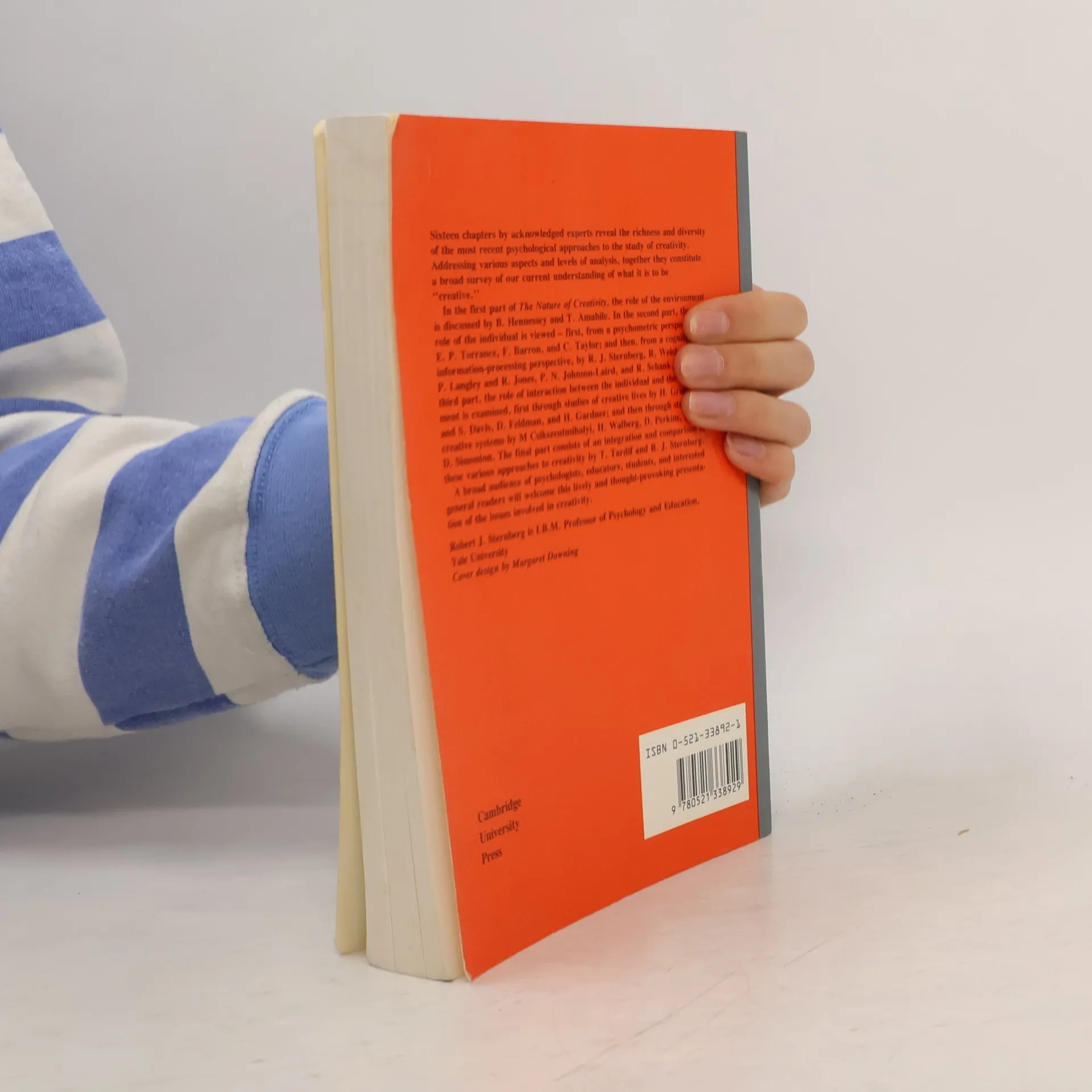
Originally published in 1988, this book provides sixteen chapters by acknowledged experts on the richness and diversity of psychological approaches to the study of creativity. Addressing various aspects and levels of analysis, together they constitute a broad survey of the understanding of what it is to be 'creative'. In the first part of The Nature of Creativity, the role of the environment is discussed. In the second part, the role of the individual is viewed - first from a psychometric perspective; and then from a cognitive or information-processing perspective. In the third part, the role of interaction between individual and environment is examined, first through studies of creative lives; and then through studies of creative systems. The final part consists of an integration and comparison of these various approaches to creativity. A broad audience of psychologists, educators, students and general readers will welcome this lively and thought-provoking investigation.
Compra de libros
The Nature of Creativity, Robert J. Sternberg
- Idioma

- Publicado en
- 1988
- Encuadernación
- (Tapa blanda)
Métodos de pago
Nos falta tu reseña aquí
- Título
- The Nature of Creativity
- Subtítulo
- Contemporary Psychological Perspectives
- Idioma
- Inglés
- Autores
- Robert J. Sternberg
- Editorial
- Cambridge University Press
- Publicado en
- 1988
- Formato
- Tapa blanda
- Páginas
- 466
- ISBN10
- 0521338921
- ISBN13
- 9780521338929
- Serie
- Categorías
- Calificación
- 4,1 de 5
- Descripción
- Originally published in 1988, this book provides sixteen chapters by acknowledged experts on the richness and diversity of psychological approaches to the study of creativity. Addressing various aspects and levels of analysis, together they constitute a broad survey of the understanding of what it is to be 'creative'. In the first part of The Nature of Creativity, the role of the environment is discussed. In the second part, the role of the individual is viewed - first from a psychometric perspective; and then from a cognitive or information-processing perspective. In the third part, the role of interaction between individual and environment is examined, first through studies of creative lives; and then through studies of creative systems. The final part consists of an integration and comparison of these various approaches to creativity. A broad audience of psychologists, educators, students and general readers will welcome this lively and thought-provoking investigation.